
Projects in Dubai
- Jumeirah Village Circle (240)
- Dubai Land (184)
- Dubai Islands (152)
- Dubai South (Dubai World Central) (142)
- Meydan (90)
- Business Bay (79)
- Al Furjan (76)
- Mohammed Bin Rashid City (75)
- Jumeirah Village Triangle (53)
- Arjan (52)
- Dubai Hills Estate (50)
- Al Satwa (42)
- Dubai Investment Park (DIP) (41)
- Dubai Land Residence Complex (40)
- Damac Lagoons (37)
- Dubai Creek Harbour (The Lagoons) (37)
- Town Square (36)
- Jebel Ali (35)
- Maritime City (35)
- Al Warsan (34)
- Palm Jebel Ali (34)
- The Valley (33)
- Palm Jumeirah (32)
- Al Jaddaf (30)
- Dubai Production City (IMPZ) (30)
- Nad Al Sheba (29)
- Majan (27)
- Downtown Dubai (26)
- Dubai Sports City (26)
- Bukadra (25)
- Mina Rashid (24)
- Dubai Marina (23)
- Dubai Industrial City (22)
- Jumeirah Lake Towers (22)
- Damac Hills 2 (21)
- Jumeirah (21)
- Wasl Gate (21)
- Damac Hills (20)
- Motor City (20)
- City Walk (19)
- Dubai Harbour (18)
- Expo City (18)
- International City (18)
- Dubai Silicon Oasis (17)
- Arabian Ranches 3 (15)
- Dubai Science Park (15)
- Dubai Studio City (15)
- City of Arabia (13)
- Jumeirah Islands (13)
- Sheikh Zayed Road (13)
- Al Barari (12)
- The World Islands (12)
- Umm Suqeim (12)
- Jumeirah Golf Estates (11)
- The Oasis by Emaar (11)
- Al Wasl (10)
- DAMAC Islands (10)
- Tilal Al Ghaf (10)
- Mudon (9)
- Liwan (8)
- Downtown Jebel Ali (7)
- Living Legends (7)
- Sobha Sanctuary (7)
- Zabeel (6)
- Al Barsha (5)
- DIFC (5)
- Dubai Design District (5)
- The Heights Country Club & Wellness (5)
- Villanova (5)
- Al Safa (4)
- Al Sufouh (4)
- Culture Village (4)
- Dubai Internet City (4)
- Falcon City of Wonders (4)
- Jumeirah Beach Residence (4)
- Jumeirah Park (4)
- Bur Dubai (3)
- Nadd Al Hammar (3)
- Ras Al Khor (3)
- Al Rowaiyah 1 (2)
- Barsha Heights (Tecom) (2)
- Deira (2)
- Umm Al Daman (2)
- Wadi Al Safa 5 (2)
- Show all locations
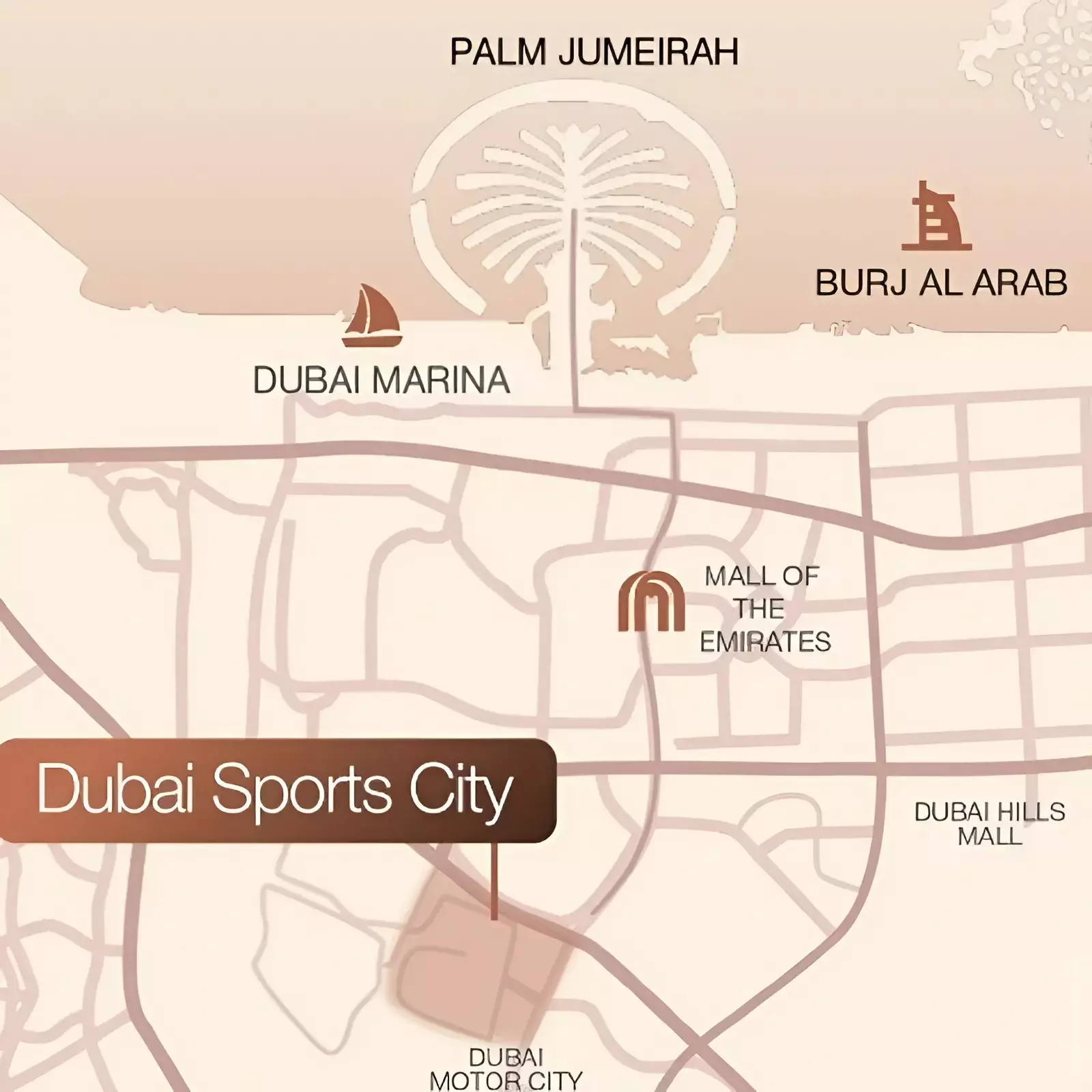
AED 720K
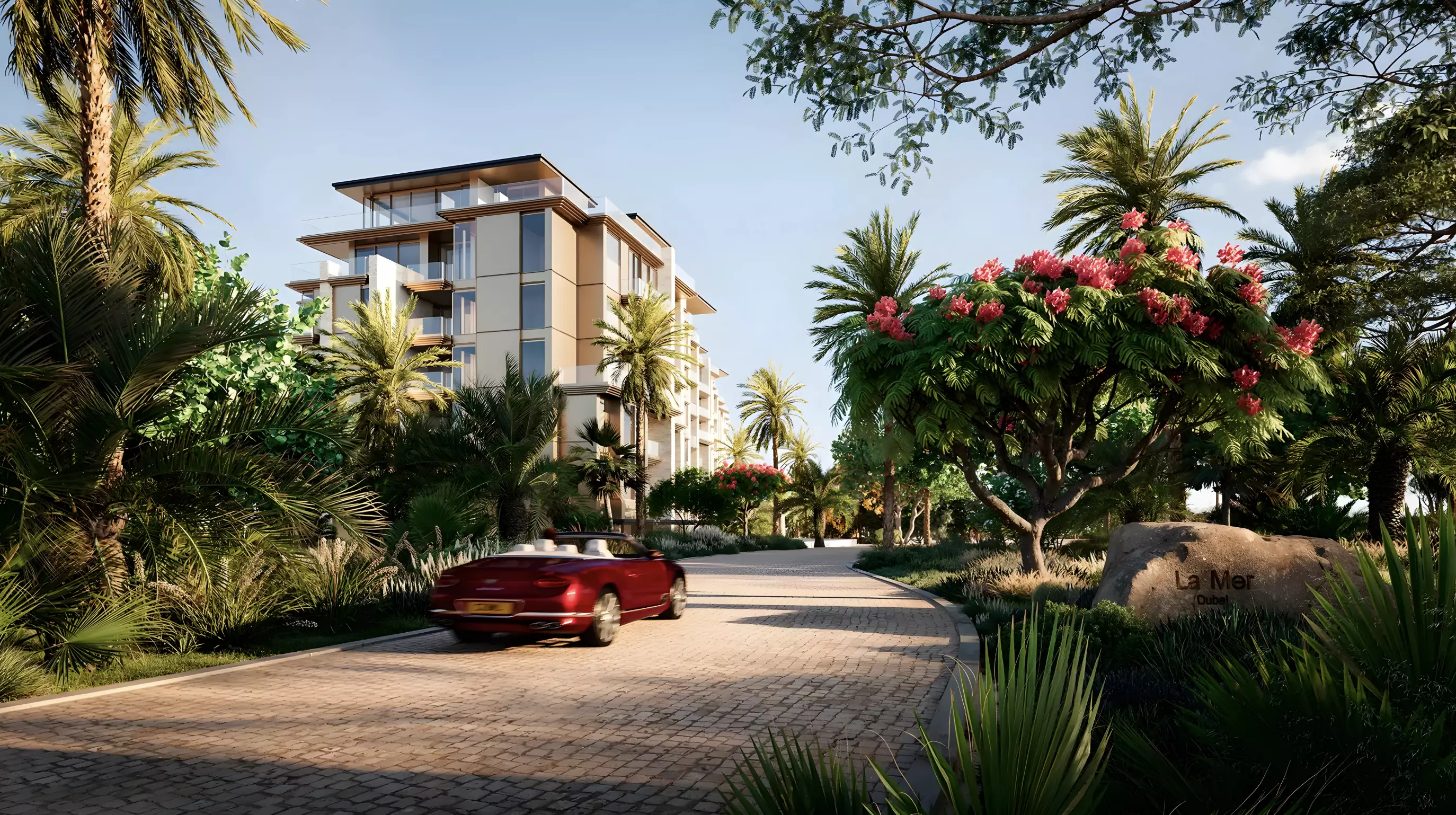
AED 11M
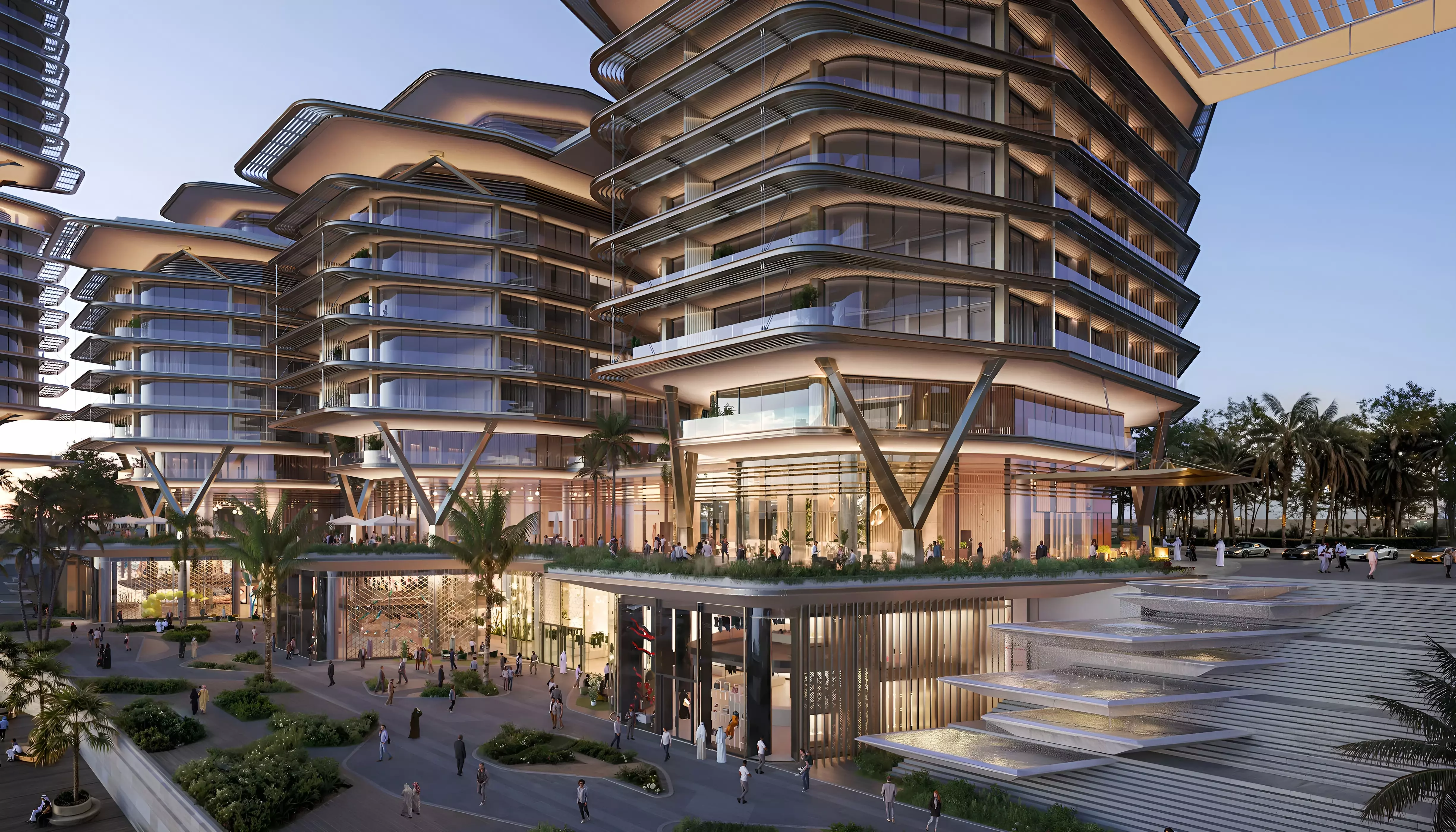
AED 7M
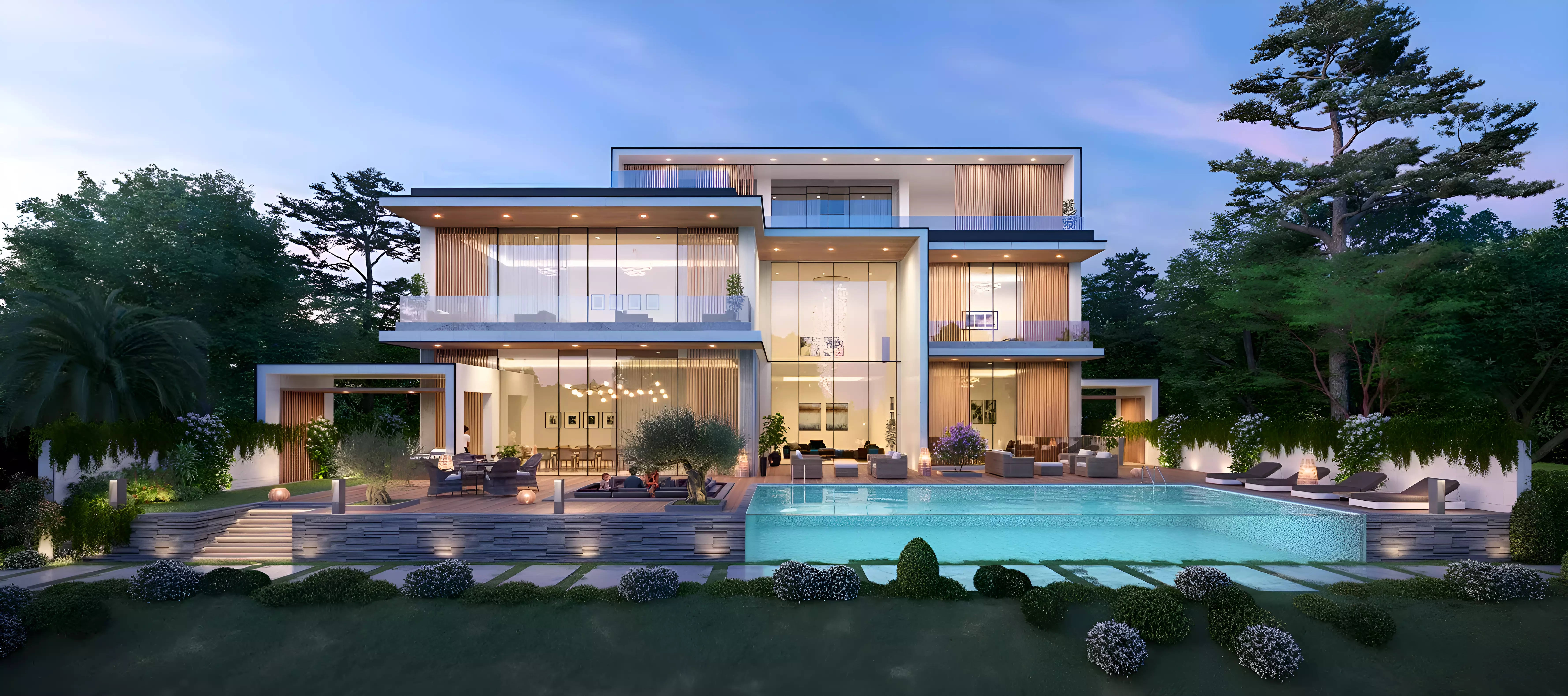
AED 8.5M

AED 2.6M
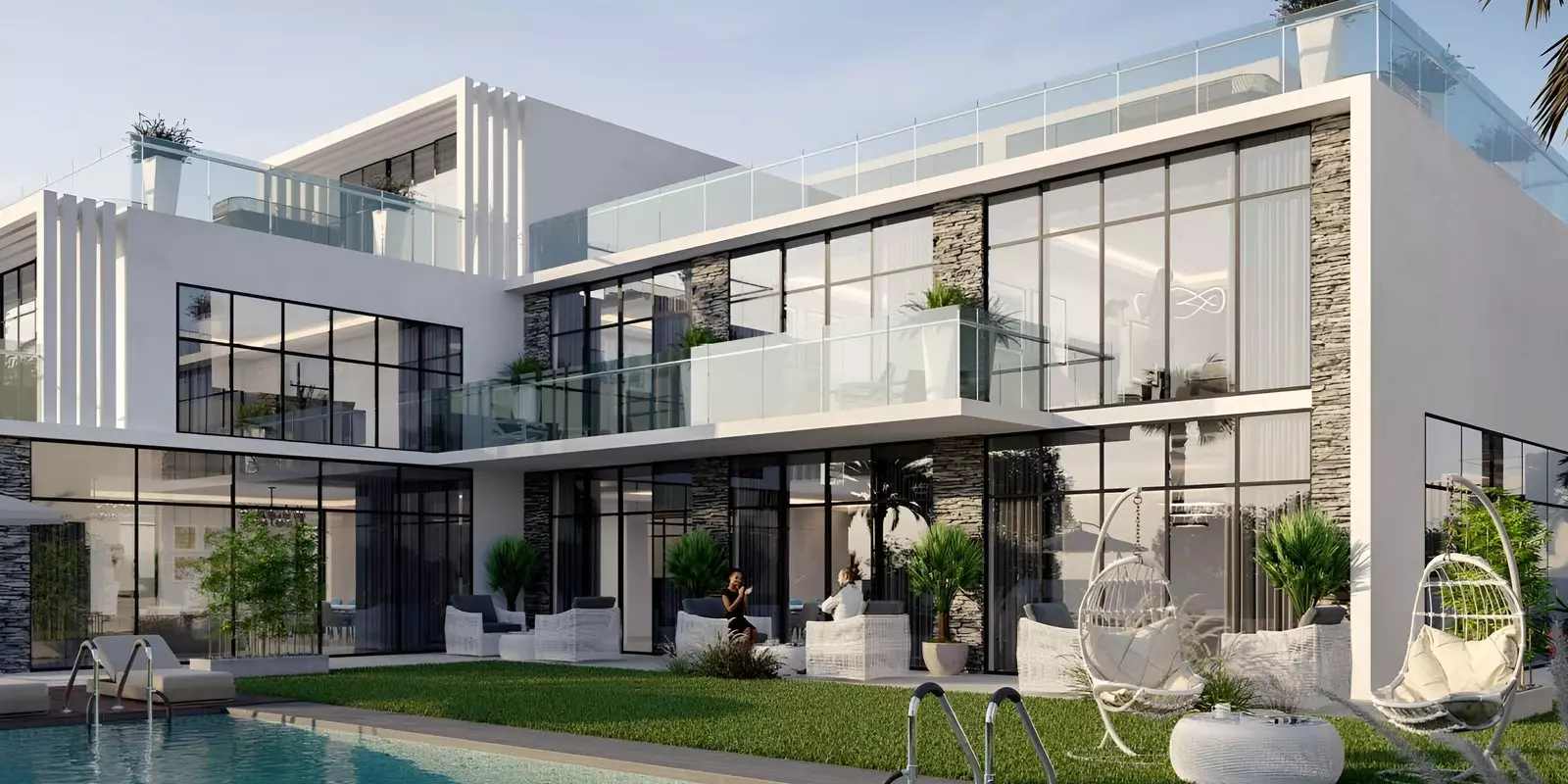
AED 17.1M
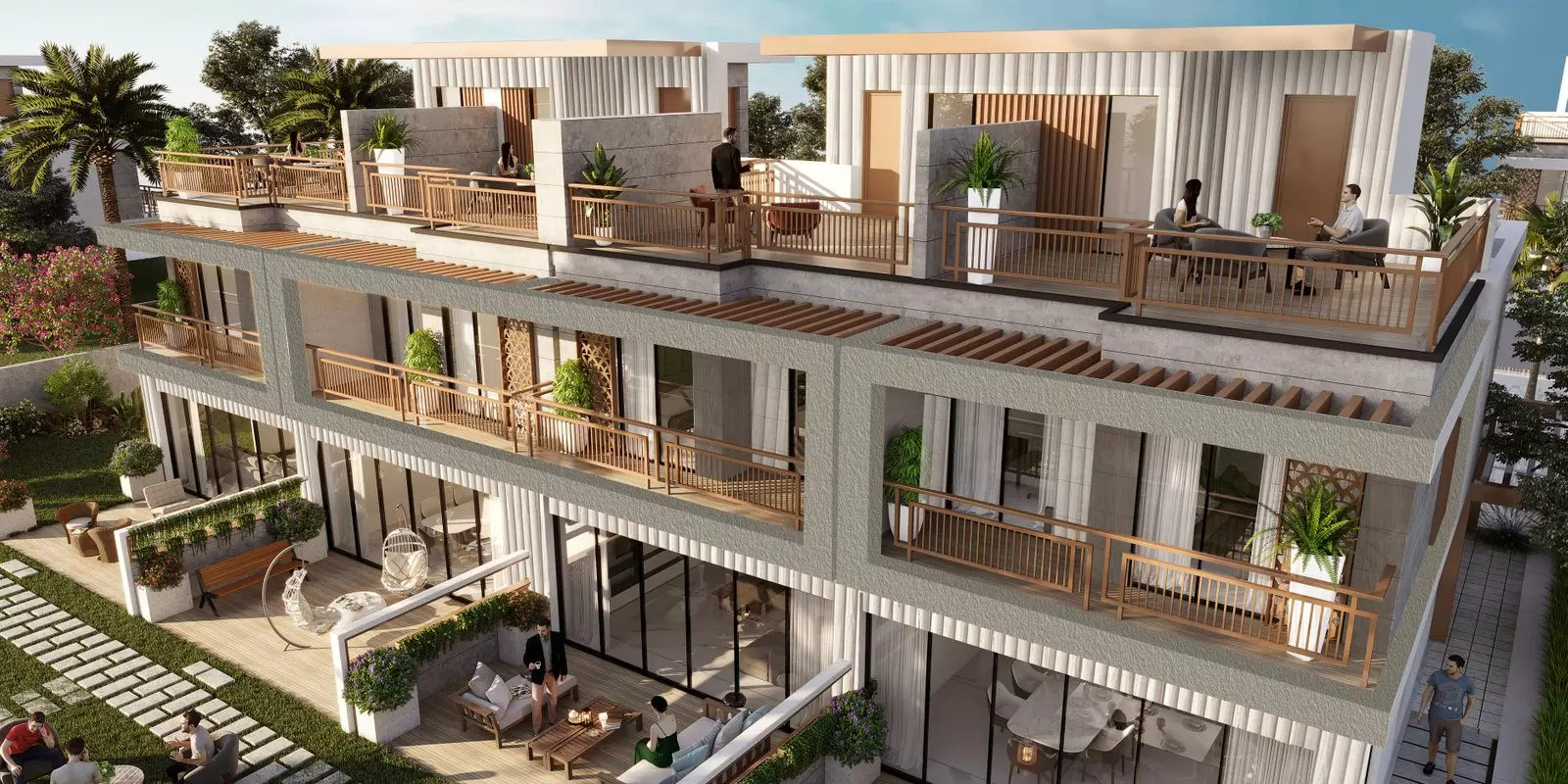
AED 1.6M
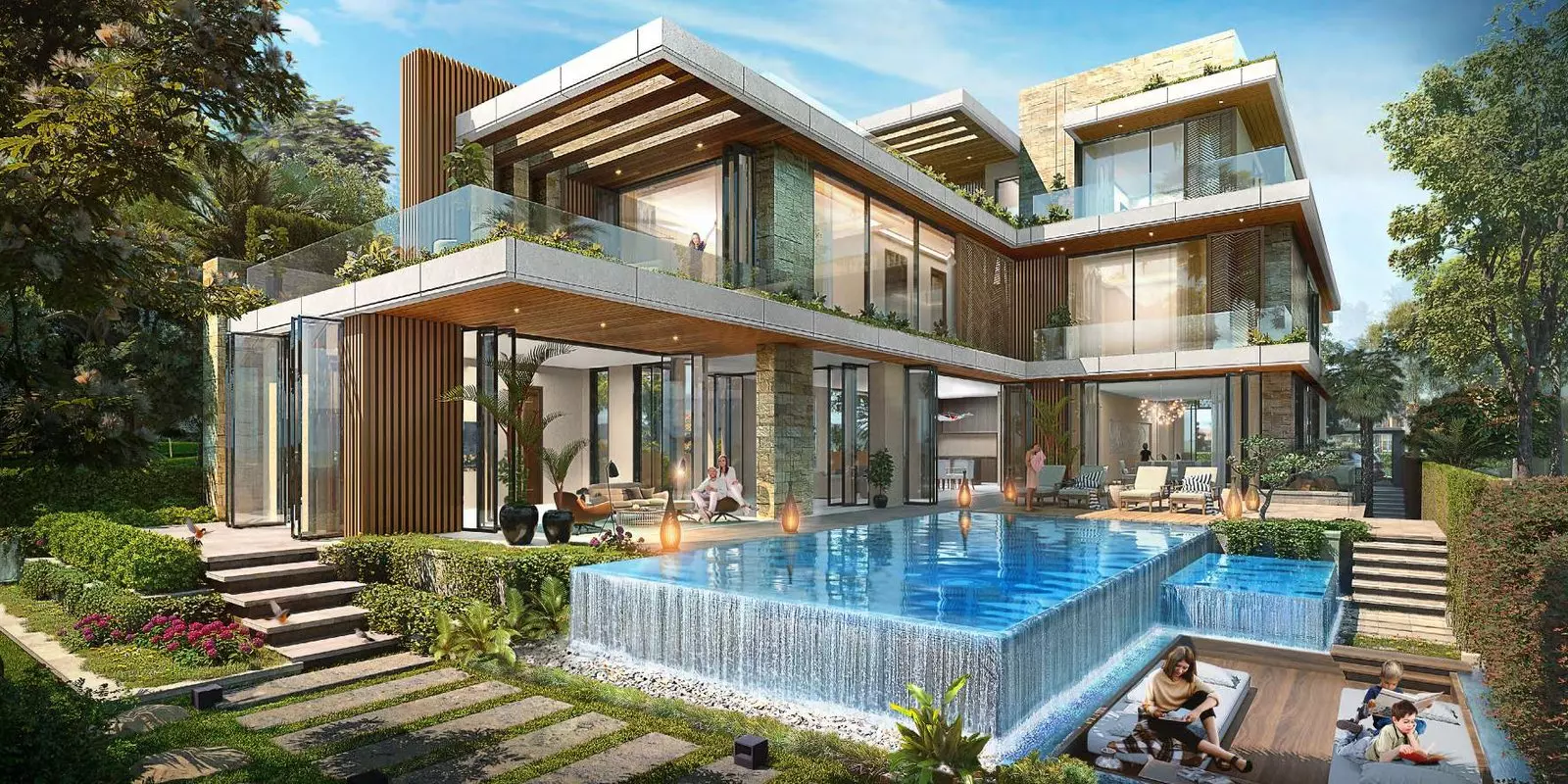
AED 19.4M
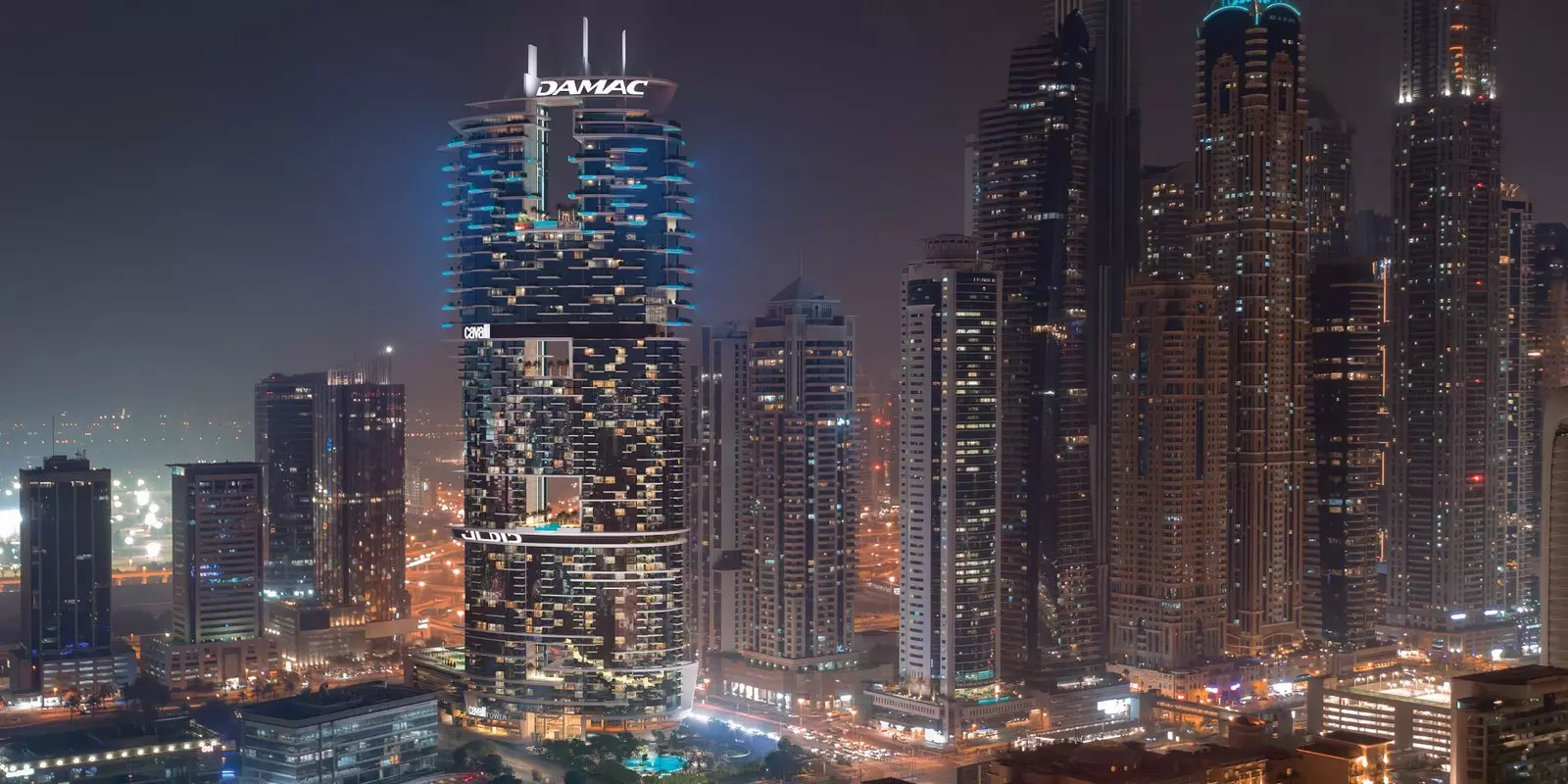
AED 18.1M
AED 1.9M
Other Developers
- New Projects by Emaar Properties
- New Projects by Damac Properties
- New Projects by Azizi Developments
- New Projects by Nakheel
- New Projects by Binghatti Developers
- New Projects by Ellington
- New Projects by Meraas Holding
- New Projects by Sobha Realty
- New Projects by Samana Developers
- New Projects by Aldar Properties PJSC
- New Projects by Imtiaz Developments
- New Projects by Nshama
- New Projects by Object 1
- New Projects by Danube Properties
- New Projects by Wasl Properties
Explore by Developer in Dubai
- Emaar Properties Projects in Dubai
- Damac Properties Projects in Dubai
- Azizi Developments Projects in Dubai
- Nakheel Projects in Dubai
- Binghatti Developers Projects in Dubai
- Ellington Projects in Dubai
- Meraas Holding Projects in Dubai
- Sobha Realty Projects in Dubai
- Samana Developers Projects in Dubai
- Aldar Properties PJSC Projects in Dubai
- Imtiaz Developments Projects in Dubai
- Nshama Projects in Dubai
Dubai's Off-Plan Market: Entry Points, Key Districts, and What the Data Says
Dubai's off-plan market spans more than 2,400 active projects, covering everything from entry-level apartments in Jumeirah Village Circle to ultra-luxury product on Palm Jumeirah. This is not a single market. It is a collection of distinct submarkets that move at different speeds and serve different buyer profiles, and the district you choose matters as much as any individual project.
The areas worth anchoring a search around fall into a few broad categories. Downtown Dubai and Business Bay attract yield-focused buyers who want city density and proximity to corporate demand. Dubai Marina and Jumeirah Beach Residence remain strong for short-term rental investors. Dubai Hills Estate and Mohammed Bin Rashid City serve families prioritising green space and school access. Dubai Creek Harbour and Dubai South are longer-horizon plays with master plans still taking shape. At the top of the price bracket sits Palm Jumeirah, while Jumeirah Village Circle, Damac Hills 2, and Town Square offer the most accessible entry points for investors starting out.
Where AED 1.36 Million Is the Midpoint
The price median across active projects is AED 1,364,313. Half the available inventory prices above this figure; half below. For a buyer starting a Dubai search, this is the most useful single number: it tells you what a typical project unit costs before any district filter is applied.
The spread runs from AED 1,950 at the low end to AED 330,000,000 at the high end. A gap of this scale reflects how many product categories coexist within one emirate rather than the range a buyer encounters in any single district. The median combined with a specific district filter narrows that range to something workable far faster than the emirate-wide extremes suggest.
What the Inventory Mix Shows
| Property Type | Projects |
|---|---|
| Apartment | 1,844 |
| Villa | 356 |
| Townhouse | 296 |
| Duplex | 221 |
| Penthouse | 186 |
| Land | 3 |
Apartments account for the largest share of off-plan supply by a wide margin, consistent with a rental market built around investor yield from high-rise product. Villas and townhouses together form a meaningful segment, concentrated in community developments like Damac Hills, The Valley, Mudon, and Villanova, serving owner-occupiers and families more than pure investors. Duplexes and penthouses are largely upgrade categories within larger apartment projects rather than standalone developments. Land plots in active listings are minimal.
507 Developers, One Emirate
507 developers are active across Dubai's current project inventory. Names like Emaar Properties, Damac Properties, Azizi Developments, Nakheel, and Binghatti Developers carry significant pipeline volume at the top. Below them, the market fragments quickly into hundreds of developers each with one to a handful of projects.
This structure matters differently depending on where you buy. In master-planned zones anchored by a dominant developer, delivery consistency and community infrastructure tend to be more predictable. In mixed-ownership areas where many smaller names are active, individual developer track records carry more weight in due diligence. Resale liquidity tends to track brand recognition at the project level, which makes developer selection a practical consideration beyond build quality alone.
Handover Timing: Some Already Complete, Some Out to 2032
The earliest completion dates in current active listings go back to July 2019. Buyers should verify handover status directly for any project showing an early completion date, as a portion of listed inventory may already be handed over or occupied.
For buyers entering now, the active forward window runs to December 2032 at the far end. Most supply completes between 2025 and 2028. Projects dated 2031 or 2032 represent the longest off-plan commitment currently available in the emirate and carry the most capital waiting risk.
Entry Points and Cash Flow
A 1% down payment is available on select projects across Dubai, which sits at the low end of what is typical in the regional off-plan market. This reflects developer incentives on specific launches rather than a standard across all inventory.
384 projects carry post-handover payment plans, roughly 16% of the total active pipeline. These structures allow buyers to continue installments after receiving keys, distributing the financial commitment over a longer period and making higher price points more accessible for buyers managing liquidity. Terms vary significantly by developer and project and need to be reviewed individually.
What the Amenities Pattern Says About the Market
Children's play areas, gymnasiums, and shared pools top the amenity frequency list across Dubai projects. CCTV surveillance and staffed security feature heavily alongside them, with retail facilities and restaurant access within developments rounding out the common package.
The pattern points to a market built around self-contained residential communities where both end-users and investors factor in tenant retention. Security infrastructure appearing consistently alongside leisure amenities signals that the typical buyer here, whether purchasing to live or to rent out, expects a managed environment rather than a standalone building.