
Projects in Nad Al Sheba
AED 16.8M
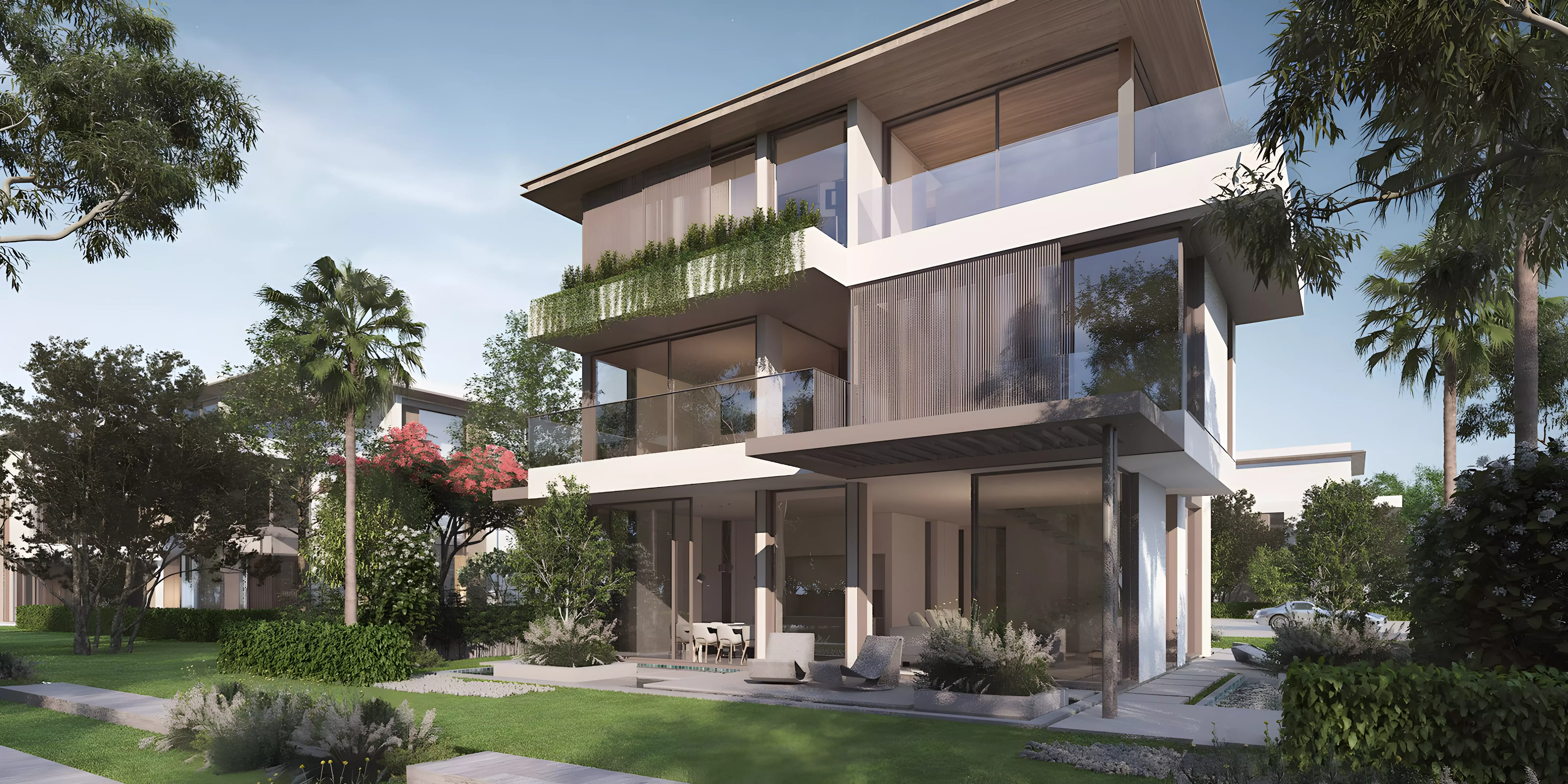
AED 10.6M
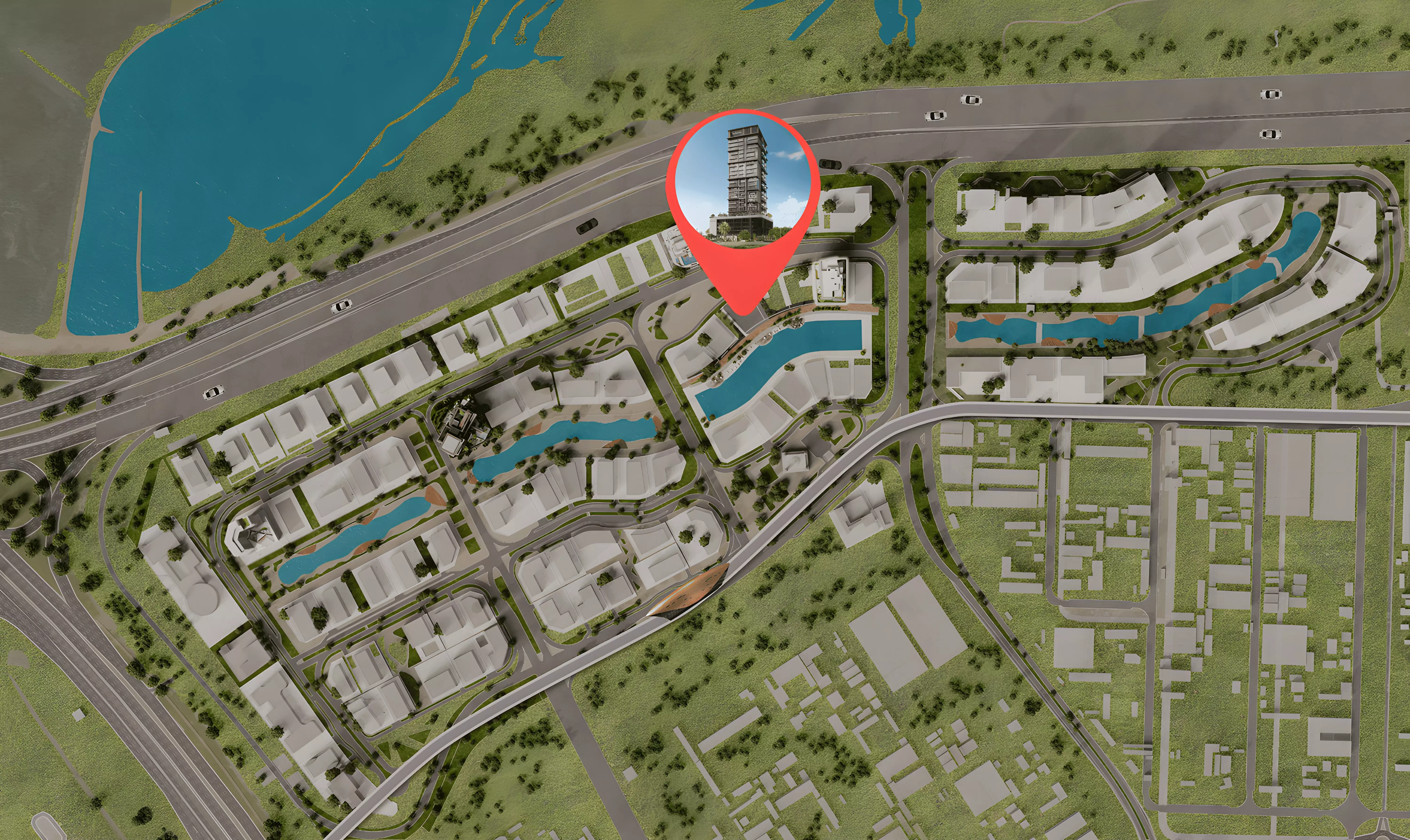
AED 2M
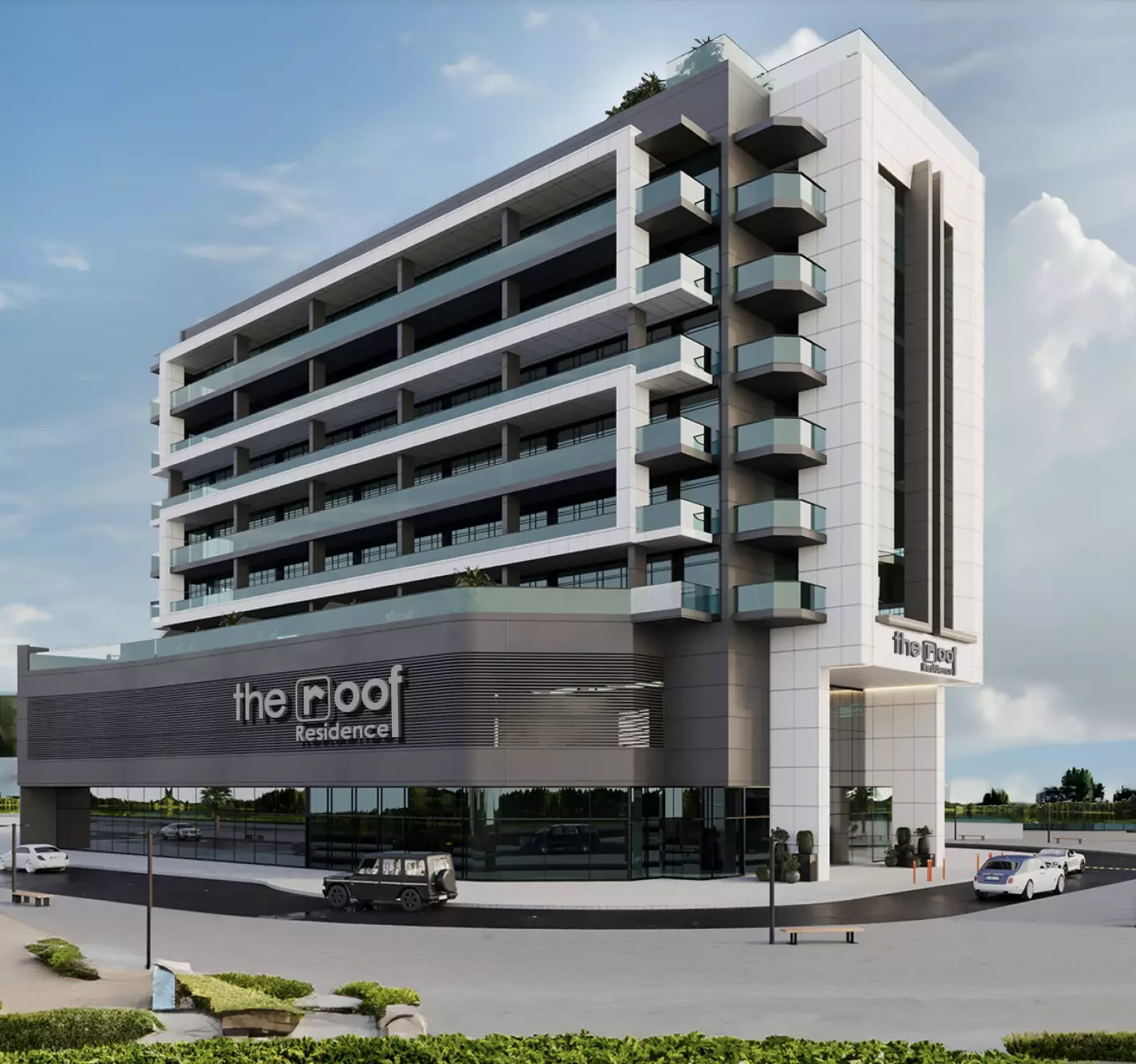
AED 1.6M
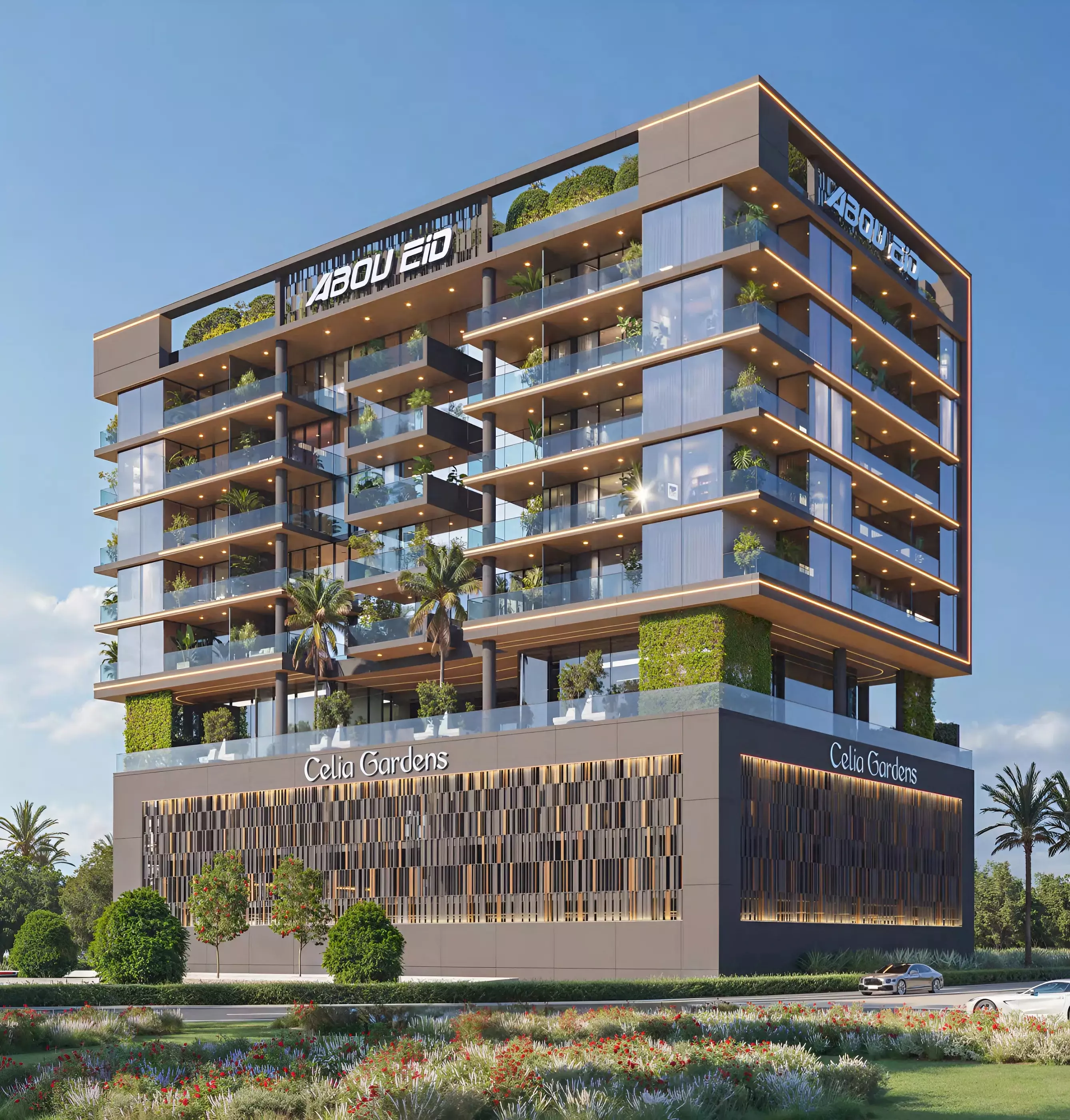
AED 1.6M
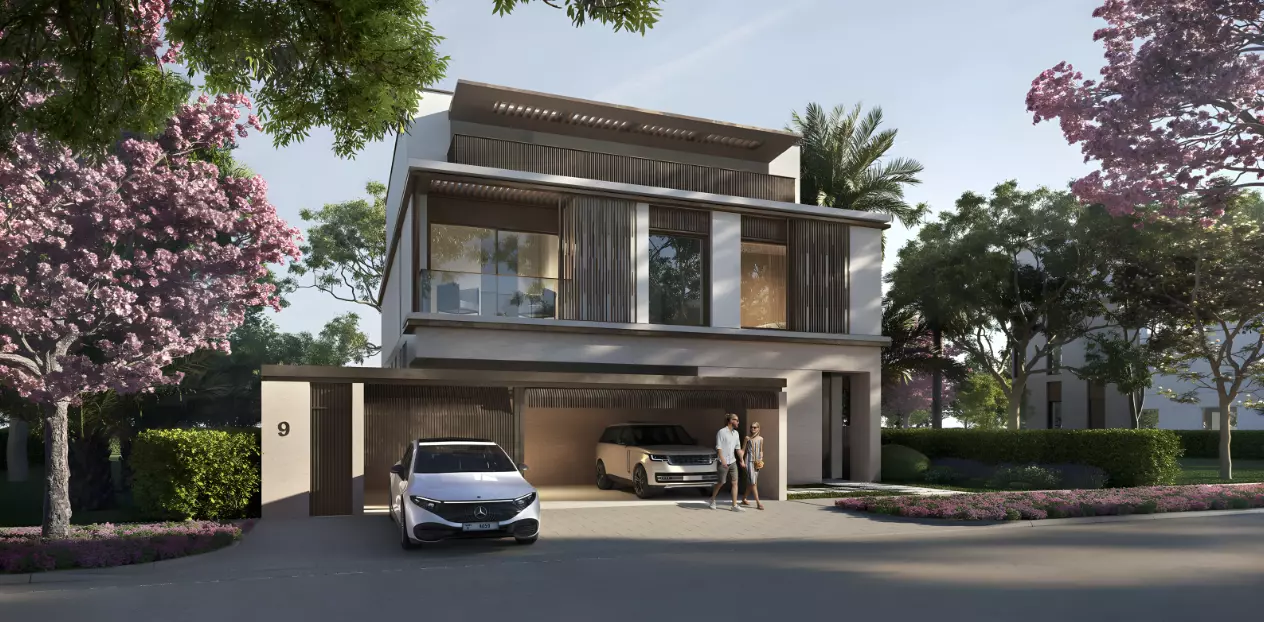
AED 3.9M
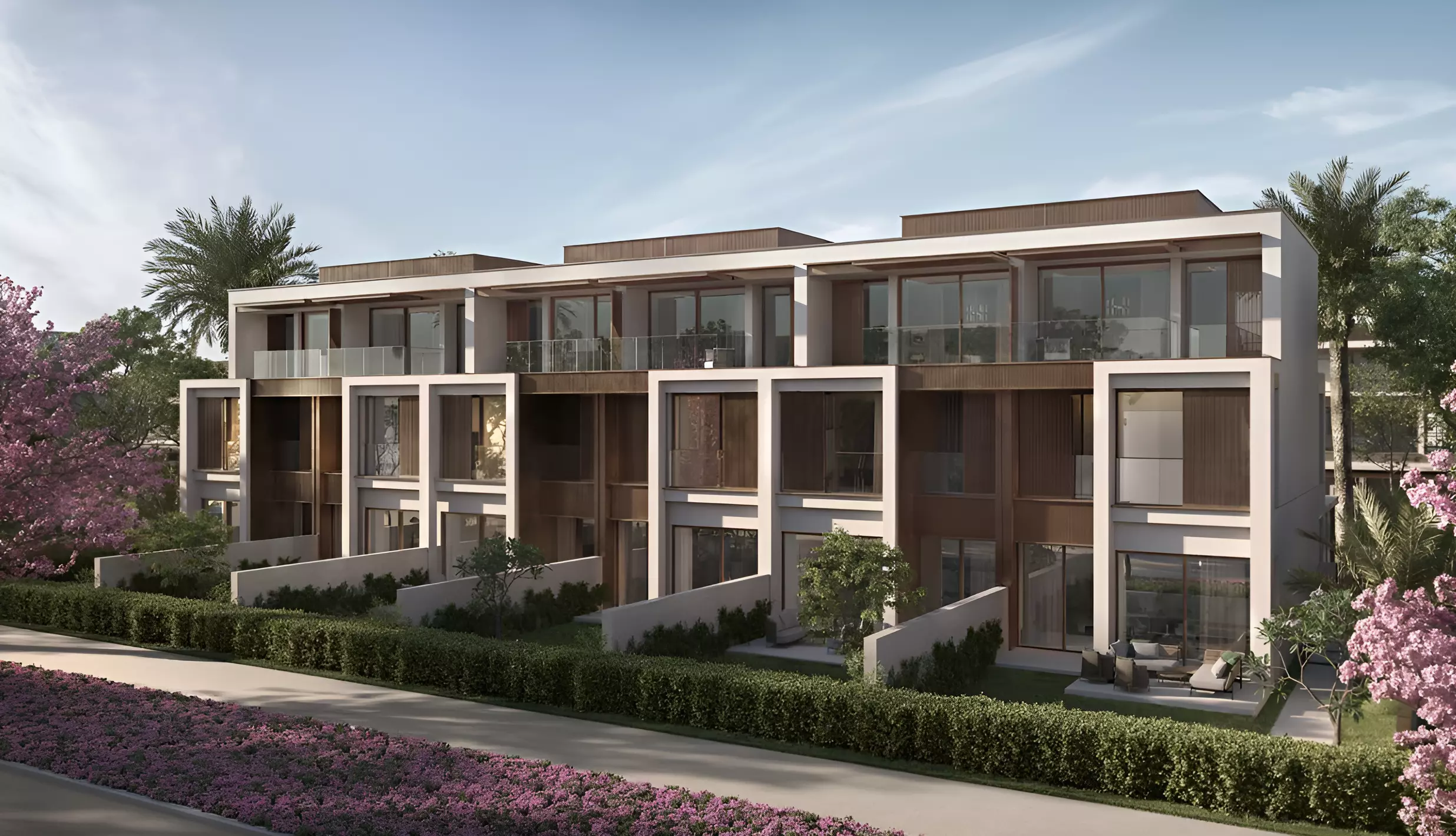
AED 4M
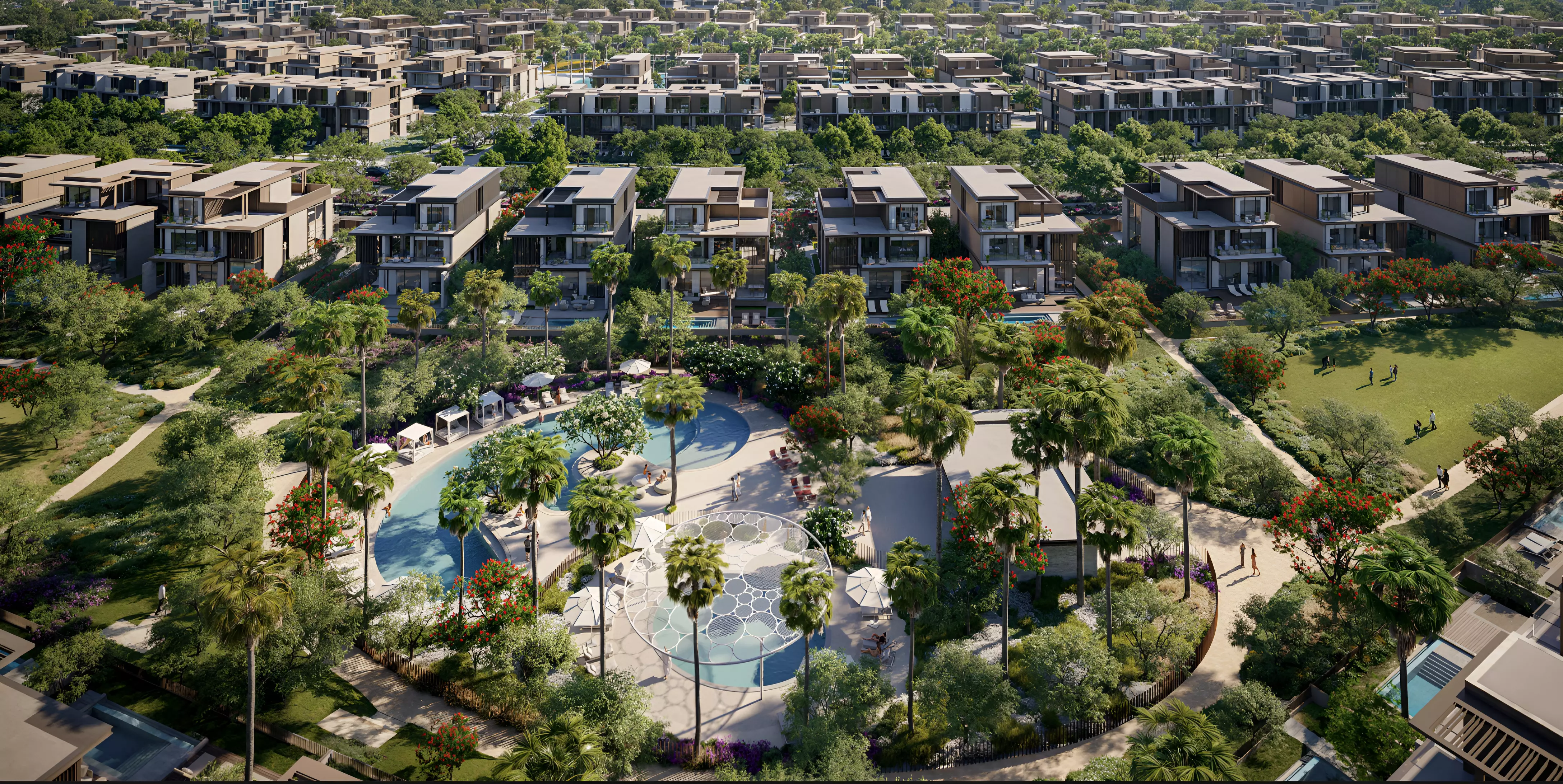
AED 4.4M
AED 5M
AED 1M
Nearby Projects
- New Projects in Mohammed Bin Rashid City
- New Projects in Meydan
- New Projects in Bukadra
- New Projects in Al Barari
- New Projects in Dubai Design District
- New Projects in Majan
- New Projects in Business Bay
- New Projects in Ras Al Khor
- New Projects in Falcon City of Wonders
- New Projects in City of Arabia
- New Projects in Living Legends
- New Projects in Downtown Dubai
- New Projects in Dubai Hills Estate
- New Projects in Liwan
- New Projects in Dubai Land
Other Developers
- New Projects by Meraas Holding
- New Projects by Binghatti Developers
- New Projects by Ellington
- New Projects by Sobha Realty
- New Projects by Amis properties
- New Projects by Abou Eid Real Estate Development
- New Projects by Nine Developments
- New Projects by Griffin Real Estate Developer
- New Projects by Maaia
- New Projects by HMK Development
- New Projects by Bukadra Development
Nad Al Sheba: A Dubai District Where the Apartment and Villa Markets Converge
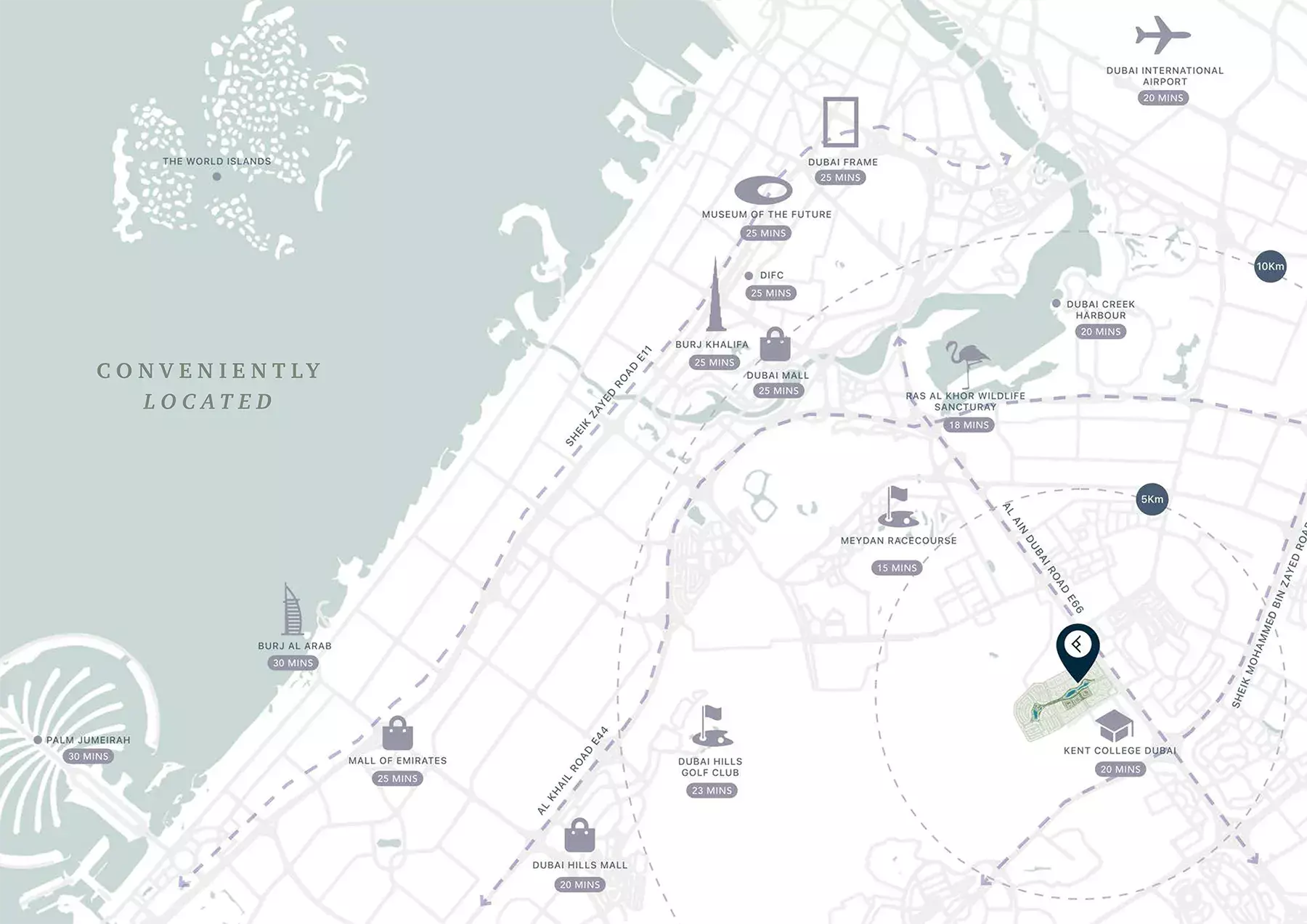
Nad Al Sheba is a district within Dubai with a substantial residential base spread across three notable sub-areas: Nad Al Sheba 1, Nad Al Sheba Gardens, and The Sanctuary. The market here covers four property types across 29 active projects — enough supply to give buyers genuine choice, and enough developer diversity to make comparison meaningful. This is not a single-developer enclave or a nascent zone with two launches; it is a district with a functioning, multi-segment market.
Where AED 2.3M Is the Midpoint
The price median sits at AED 2,300,000, which is the most practical number for a buyer benchmarking Nad Al Sheba against alternatives elsewhere in Dubai. The floor is AED 1,000,000; the ceiling reaches AED 38,000,828 — a gap that reflects very different product types sharing the same district name rather than unusual volatility in a single segment. The apartment inventory anchors the lower end. The villa product pushes toward the top. For buyers working within AED 1.5M to AED 4M, the district offers real options across multiple developers and property types.
Apartments and Villas Almost Neck and Neck
| Property Type | Projects |
|---|---|
| Apartment | 15 |
| Villa | 14 |
| Townhouse | 10 |
| Duplex | 2 |
15 apartment projects and 14 villa projects make this one of the more balanced districts in Dubai by product type. That near-parity suggests two distinct buyer audiences coexist here: investors and entry-level buyers drawn to the apartment segment, and end-user families looking at standalone or community villa living. 10 townhouse projects add a middle layer for buyers who want more space than an apartment without the full commitment of a standalone villa. Duplexes are a minor presence at 2 projects.
Eleven Developers, No Single Dominant Name
11 developers across 29 projects puts Nad Al Sheba in the moderately fragmented category — not the kind of master-planned zone where one brand defines the entire area. Meraas Holding, Binghatti Developers, Ellington, and Sobha Realty are the more established names in the mix. Abou Eid Real Estate Development, Amis Properties, Bukadra Development, Griffin Real Estate Developer, HMK Development, Maaia, and Nine Developments round out the list with smaller or newer operations.
For a buyer focused on resale liquidity or build quality consistency, that spread matters. Established names bring proven delivery track records; newer developers may offer sharper pricing but require more due diligence on their own terms. Product quality in Nad Al Sheba will vary by developer, not by location alone.
Handover: Some Already Past, Long Tail to September 2029
The earliest listed completion in this dataset was November 2025, which has already passed. Some projects in Nad Al Sheba may already be handed over or approaching occupancy — buyers should confirm current status directly with developers or agents rather than relying on listed completion dates. The far end of the off-plan window runs to September 2029, giving buyers entering now a range of near-ready and long-cycle options depending on their holding preference.
Entry Point and Post-Handover Plans
The minimum down payment across the district reaches as low as 5%, a low entry point relative to typical Dubai off-plan requirements. This represents the floor available in the market, not a district-wide standard. 4 projects out of 29 — roughly 14% of the inventory — include post-handover payment plans. These plans let buyers continue paying after receiving keys, spreading the cash obligation across a longer period rather than concentrating it during the construction phase.
A Resident-Focused Amenity Profile
The amenities pattern across Nad Al Sheba projects points clearly toward an end-user market. Gymnasiums, children's play areas, landscaped gardens, barbecue areas, and cycle tracks are the recurring features — facilities that matter to people who live in the property daily. CCTV security and shared pools appear consistently alongside these. What the list does not feature is resort-scale infrastructure: no beach access, no spa facilities dominating the mix. The developers building in this district are targeting residents who value practical daily comfort, and the amenity selection reflects that.