
Projects in Sheikh Zayed Road
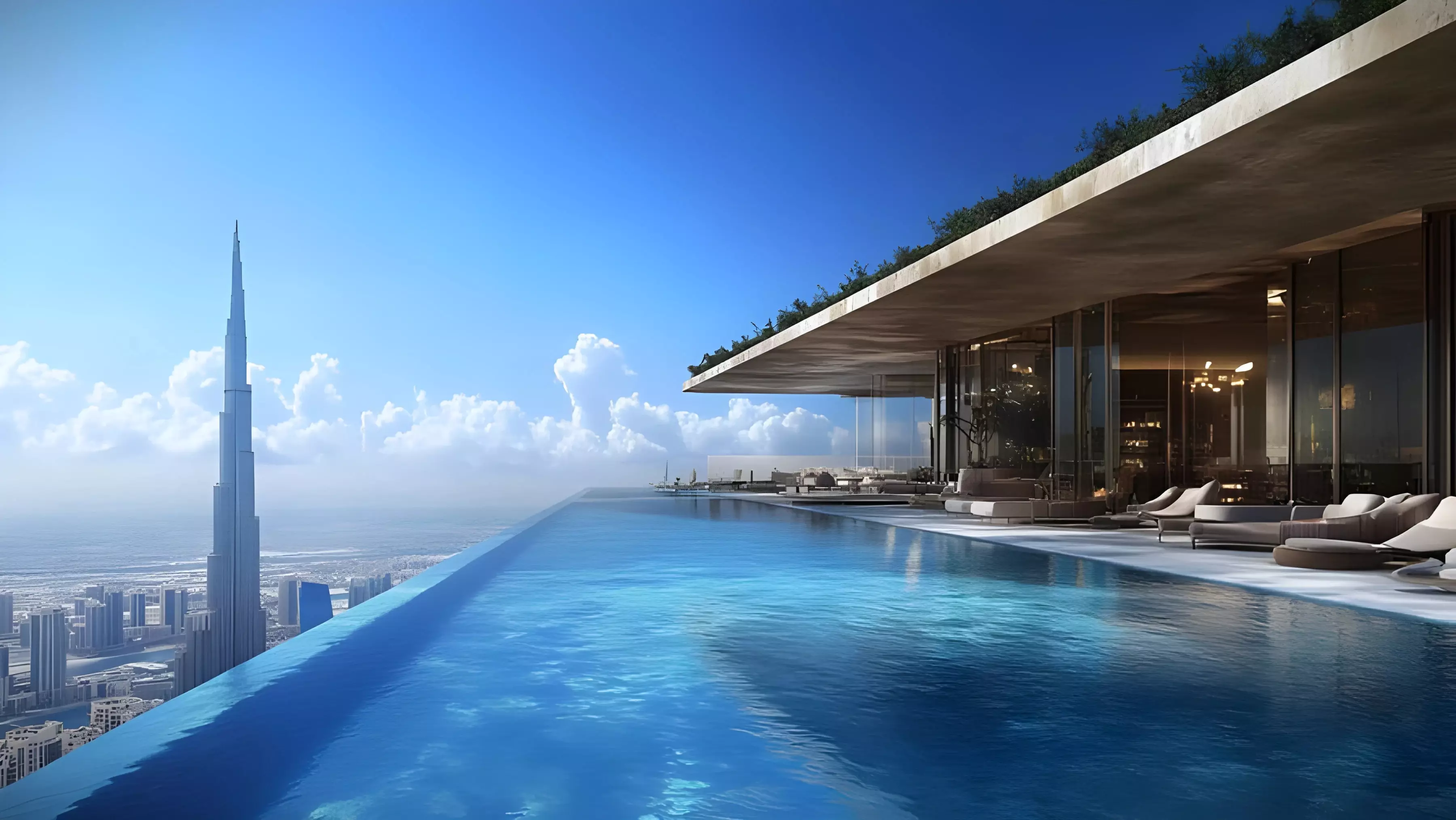
AED 3.1M
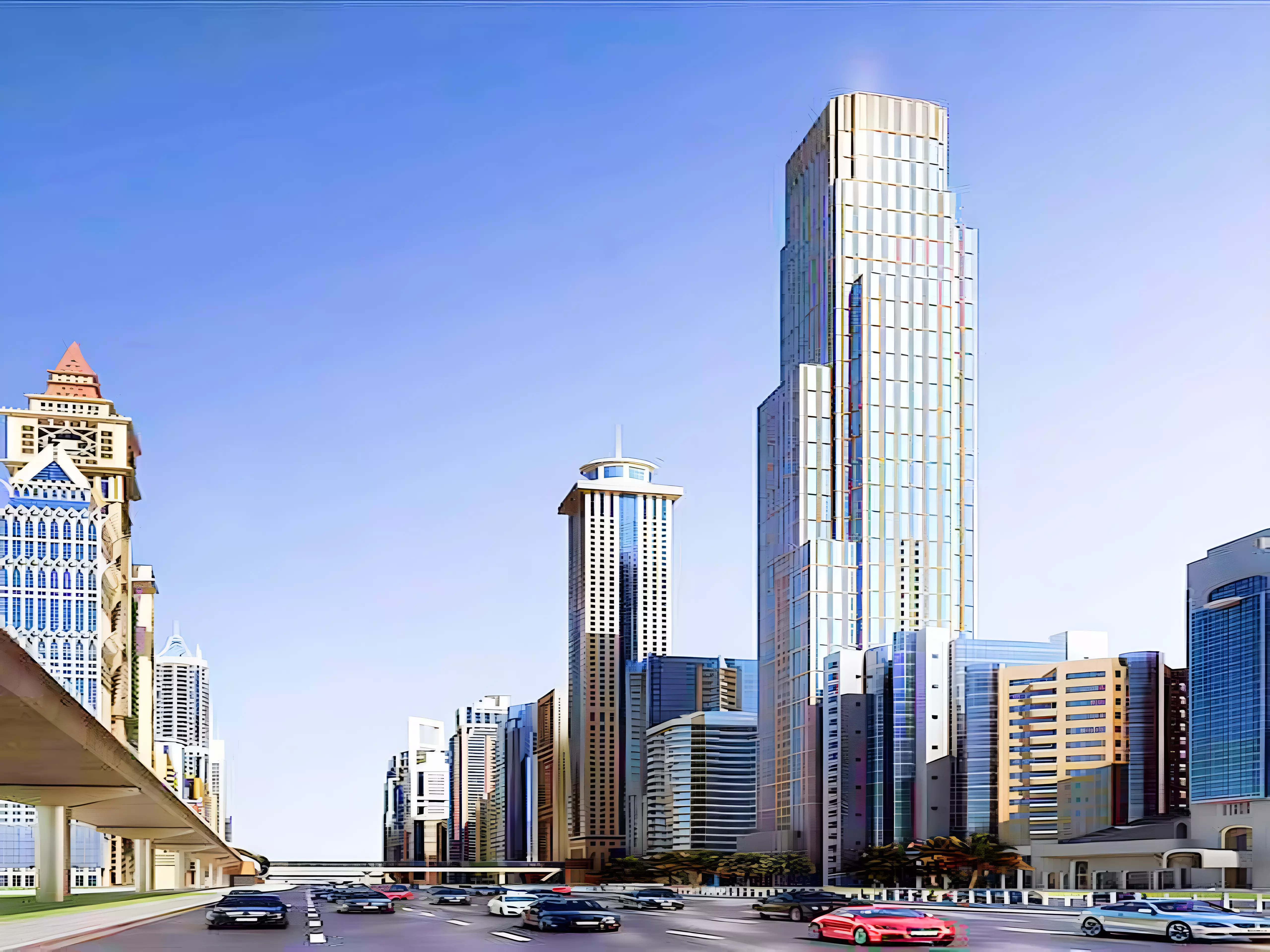
On request
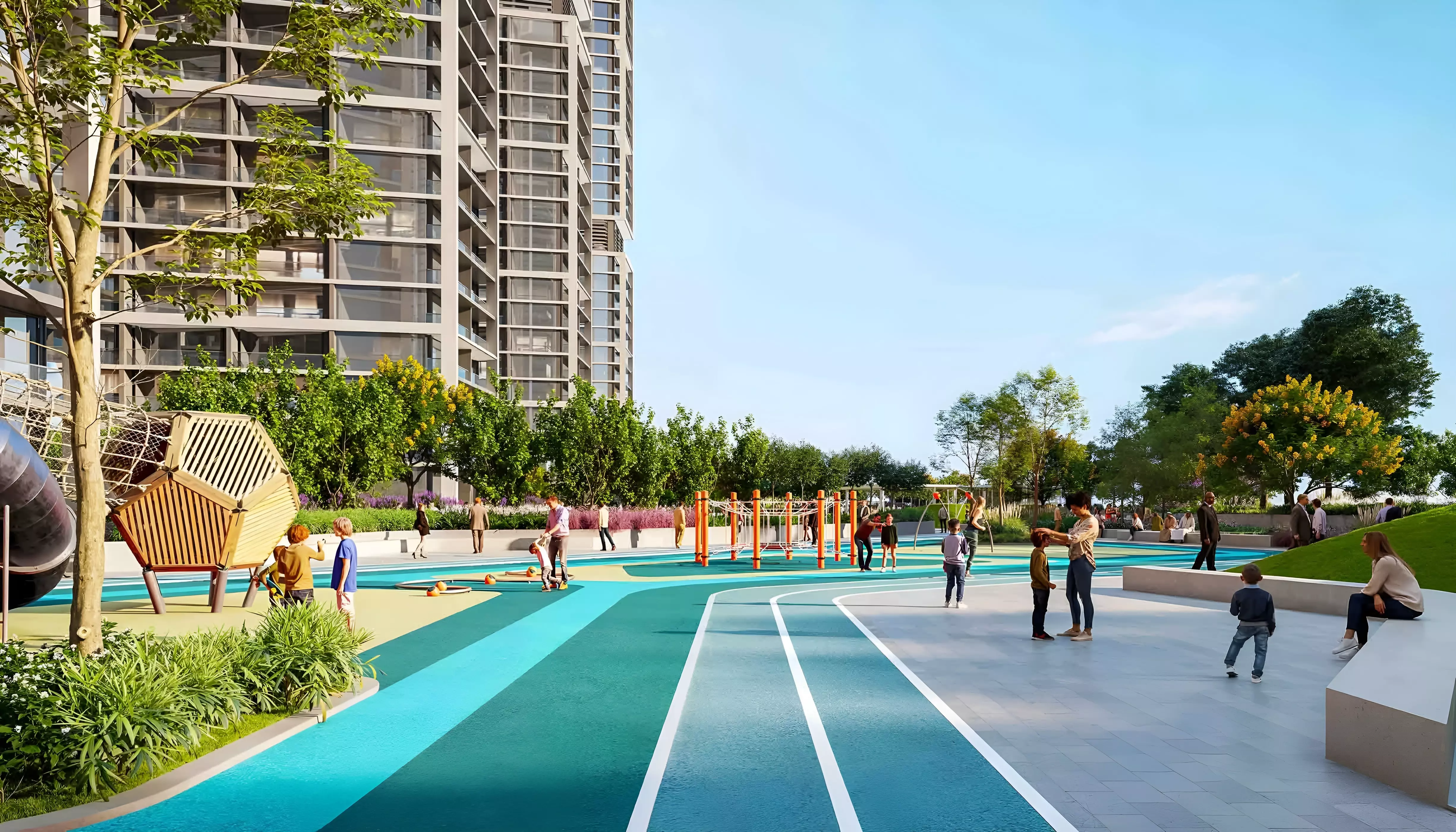
AED 1.5M
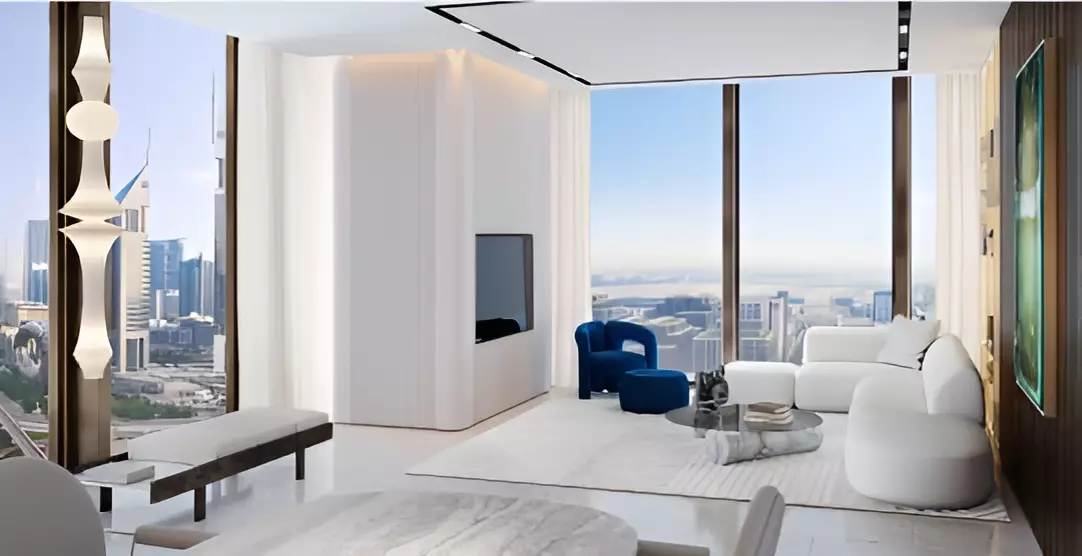
AED 9.3M
AED 3.5M
AED 1.9M
AED 1.8M
On request
AED 1.5M
AED 2.2M
Nearby Projects
- New Projects in Al Safa
- New Projects in Al Wasl
- New Projects in Business Bay
- New Projects in City Walk
- New Projects in Downtown Dubai
- New Projects in Jumeirah
- New Projects in Umm Suqeim
- New Projects in DIFC
- New Projects in Dubai Design District
- New Projects in Dubai Hills Estate
- New Projects in Al Satwa
- New Projects in Meydan
- New Projects in Nad Al Sheba
- New Projects in Zabeel
- New Projects in The World Islands
Other Developers
Explore by Developer in Sheikh Zayed Road
Dubai's Central Corridor, Recast in Residential: New Projects on Sheikh Zayed Road
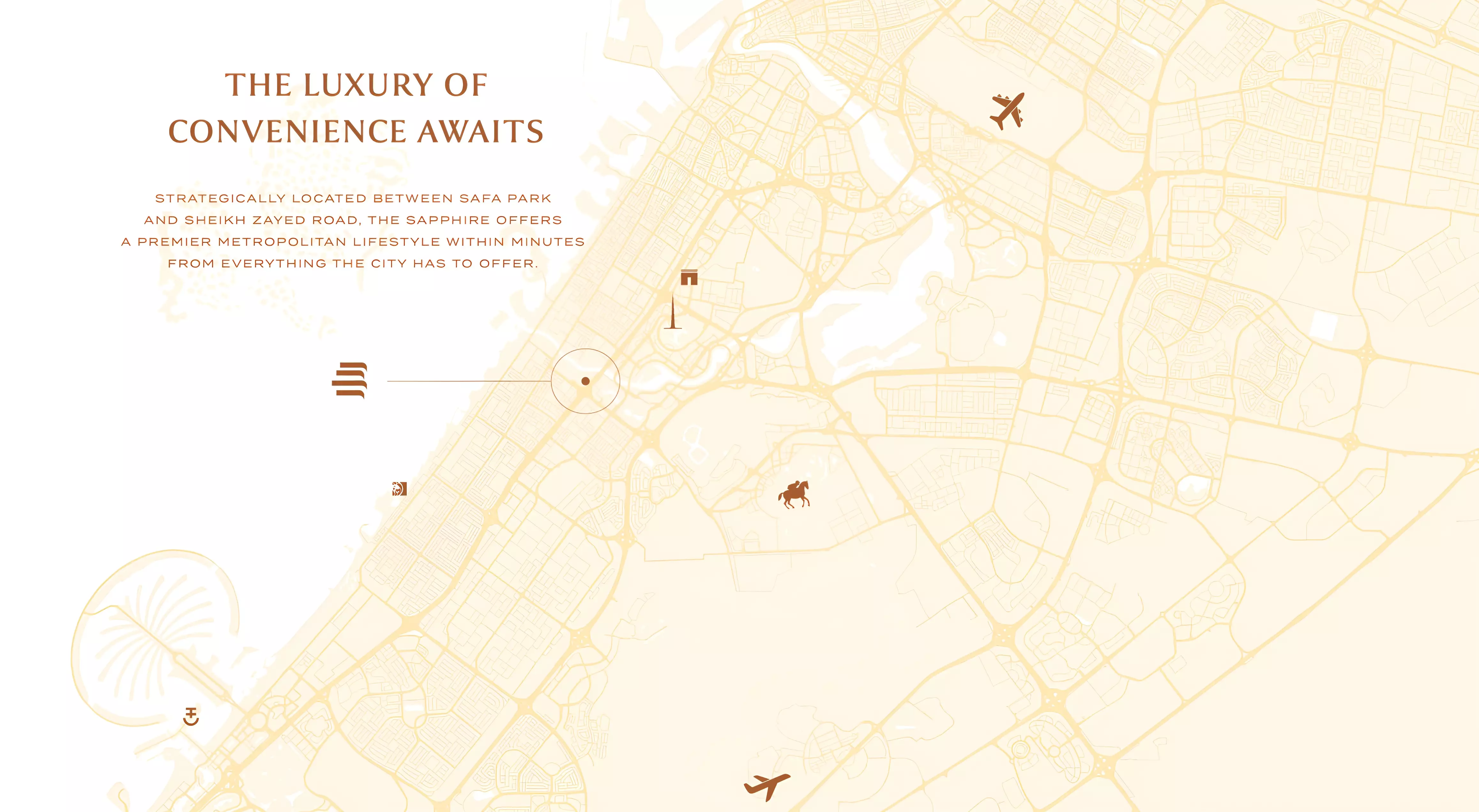
Sheikh Zayed Road runs through the spine of Dubai, and for most of its history the address has meant office towers, hotels, and commercial real estate. That framing is shifting. With 13 new residential projects now in development along the corridor, it has become a legitimate destination for off-plan buyers who want a central Dubai address without the price premium of Downtown.
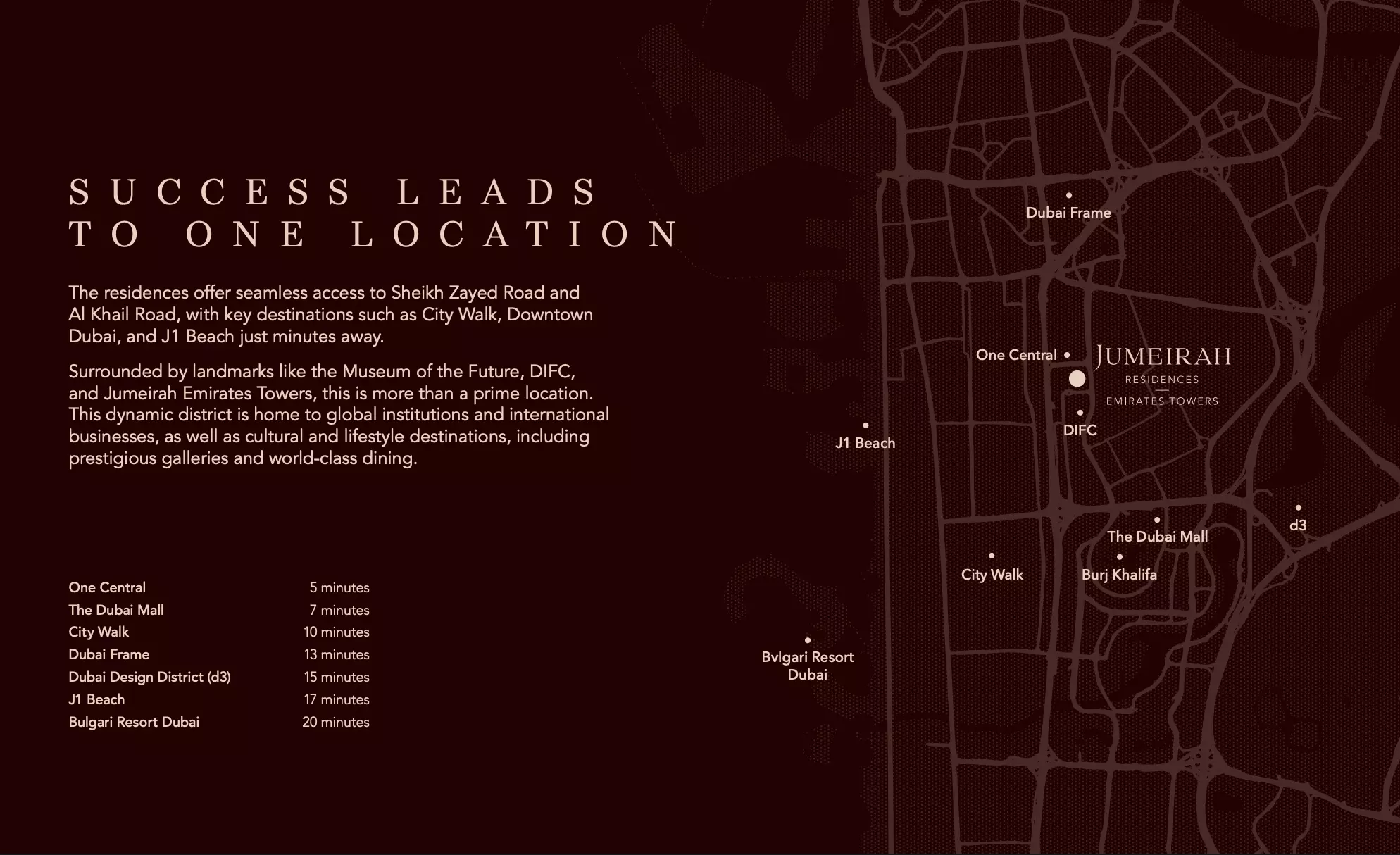
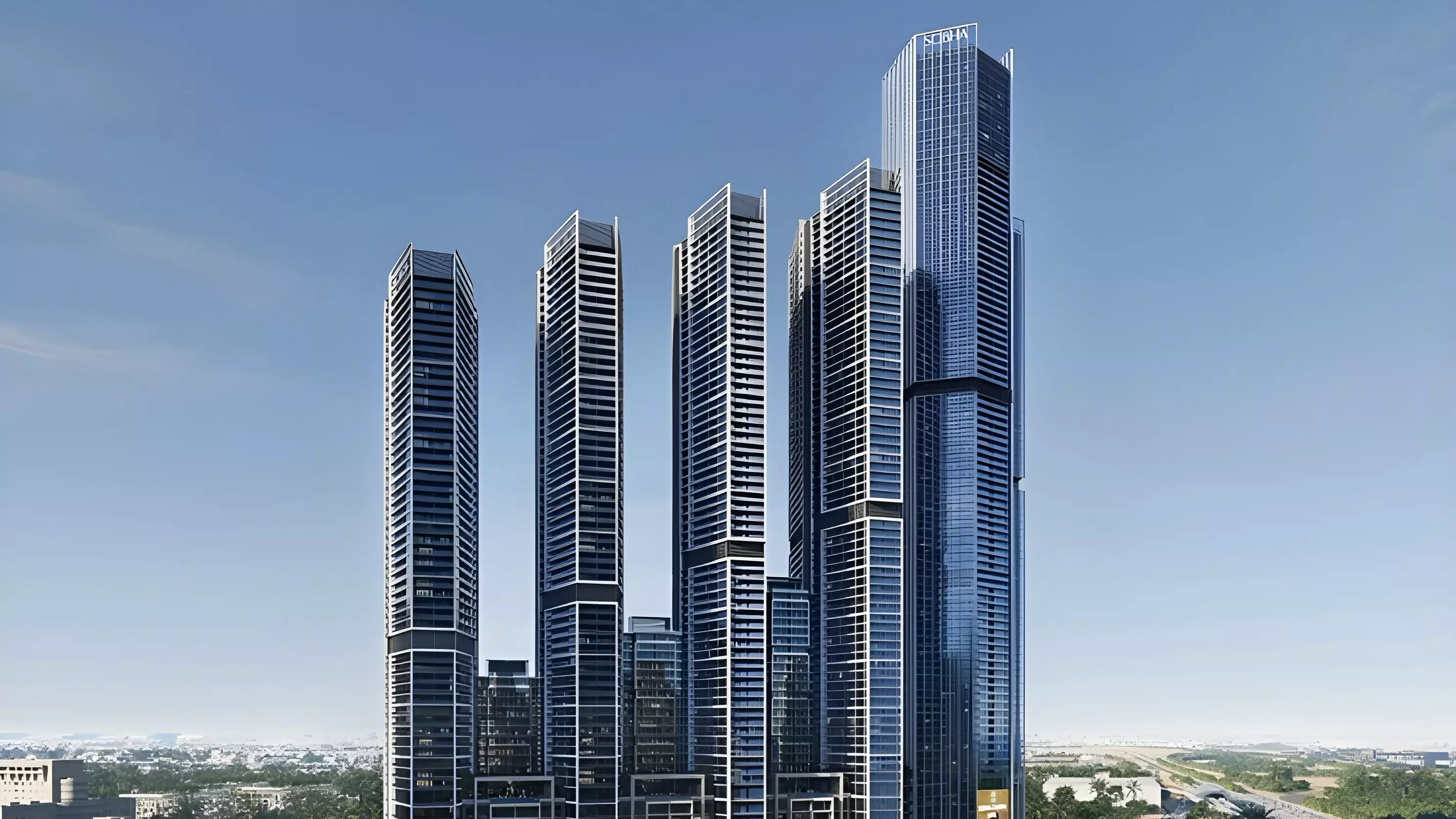
This is a district-level market, sitting within Dubai's core, with projects spread across named sub-communities including Sobha Central, Sol Luxe, and Emirates Towers. Buyers looking at specific pockets should also compare what's happening in Avior By Acube, Burj Azizi, and Skyline Residence, which each carry their own positioning within the broader corridor.
AED 1.9 Million in the Middle of the Market
The price median here sits at AED 1,900,000, which is a meaningful anchor for a buyer trying to calibrate. The full range runs from AED 649,000 at the lower end to AED 56,370,000 at the top. That is not a small spread, and it reflects a genuinely mixed inventory.
Apartments account for the largest share, with 11 of the 13 projects offering them. Two projects include duplexes, two offer penthouses, and one has townhouses. The apartment-heavy mix points to a market that serves investors and single professionals first, with the duplex and penthouse offerings adding a layer of high-end demand from buyers who want the address with more floor space. The townhouse option is an outlier here; buyers prioritising that format will find better depth elsewhere in Dubai.
Nine Developers, No Single Dominant Name
With 9 developers active across 13 projects, Sheikh Zayed Road reads as a fragmented market. No single name controls the inventory. Sobha Realty, Damac Properties, Azizi Developments, and Meraas Holding sit alongside smaller and newer players like Imtiaz Developments, Acube Developers, H&H Development, Sol Properties, and Zaya.
For buyers thinking about resale, a fragmented developer base means resale liquidity depends heavily on the specific project rather than the address alone. Build quality and finish are not uniform when nine different developers are delivering simultaneously. Researching the individual developer track record matters more here than it would in a master-planned community where a single name controls the whole district.
Handover Timing and Entry Costs
Some projects along this corridor have already crossed their handover date. The earliest completion was June 2026, which means certain units may already be ready or close to occupation. Buyers should verify current status with developers directly. The off-plan window extends to September 2030 for the latest projects, giving buyers entering now a range from near-term to four-year commitments.
Entry costs are low relative to most Dubai off-plan markets. The minimum down payment across available projects is 5%, which makes the corridor accessible even at the median price point. There are no post-handover payment plans among the current listings, so the payment schedules are construction-linked rather than extended beyond keys.
The amenity pattern across these projects leans toward wellness and security. Indoor swimming pools, gymnasiums, yoga rooms, and jacuzzi facilities appear alongside children's play areas and CCTV monitoring. That combination typically draws a mix of fitness-focused professionals and families who want a managed, secure environment, which fits the profile of a central Dubai address.