
Projects in Dubai Hills Estate
AED 1.3M
AED 43.8M
AED 2M
AED 24.4M
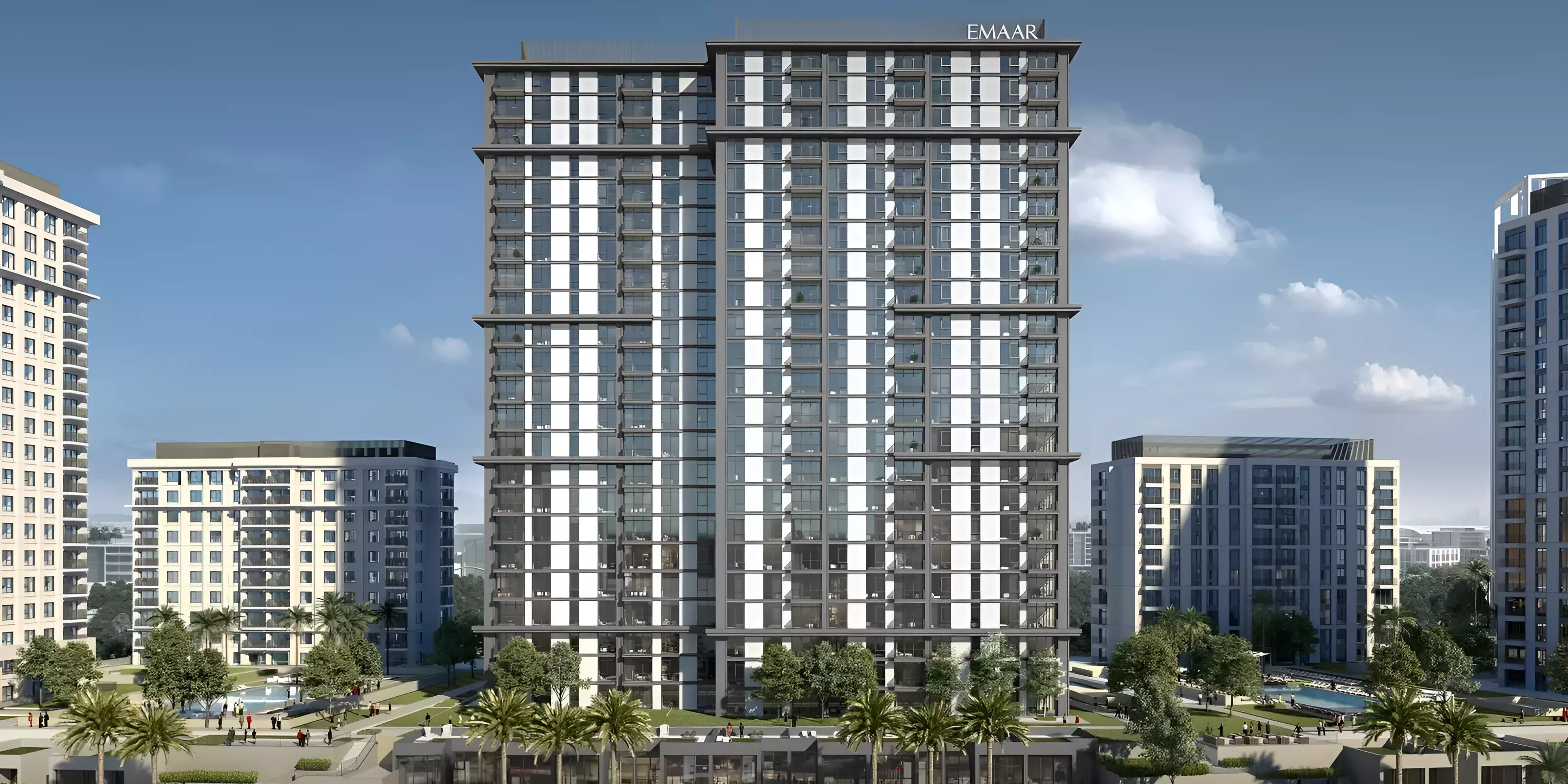
AED 1.3M
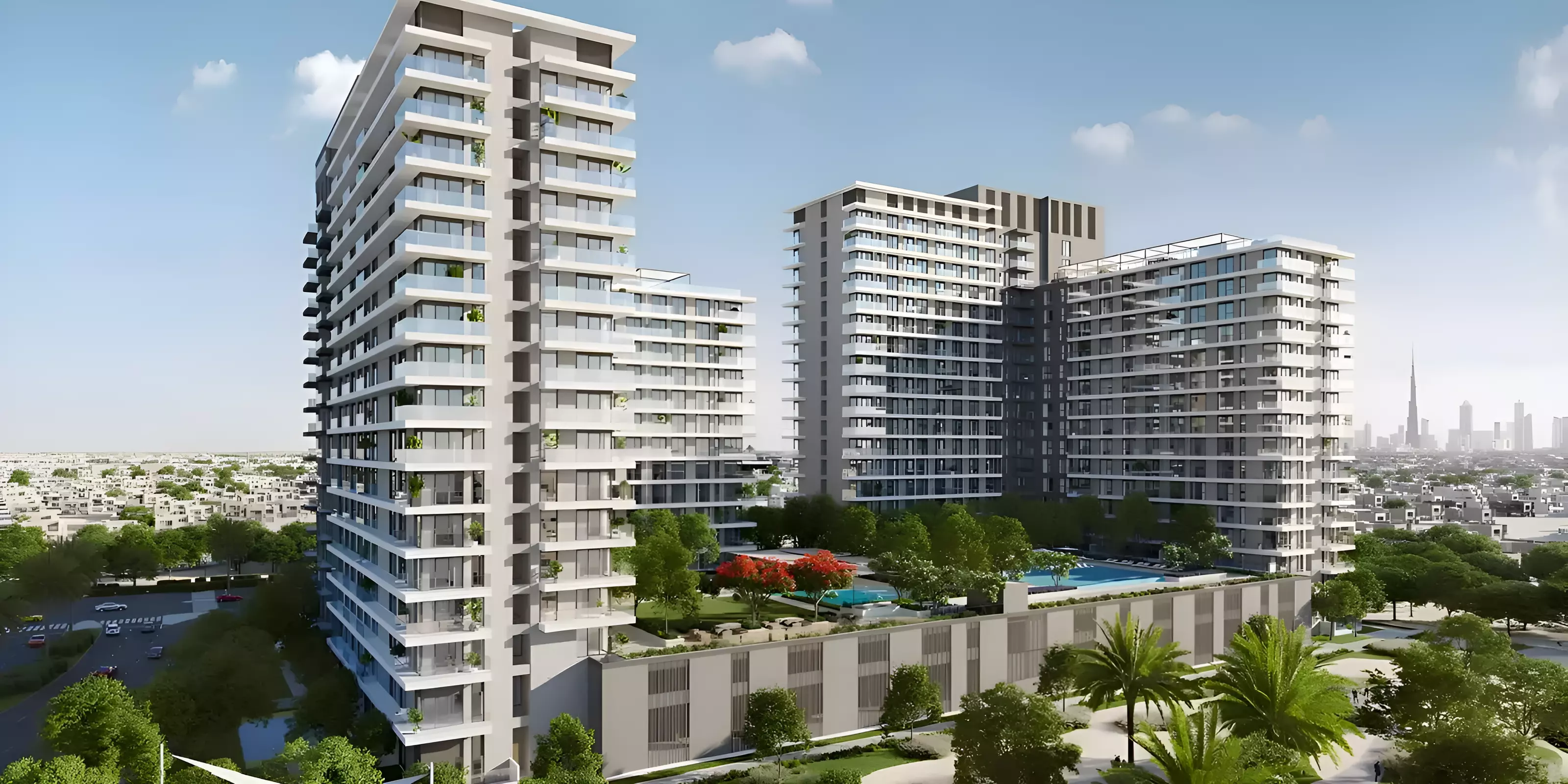
AED 1.6M
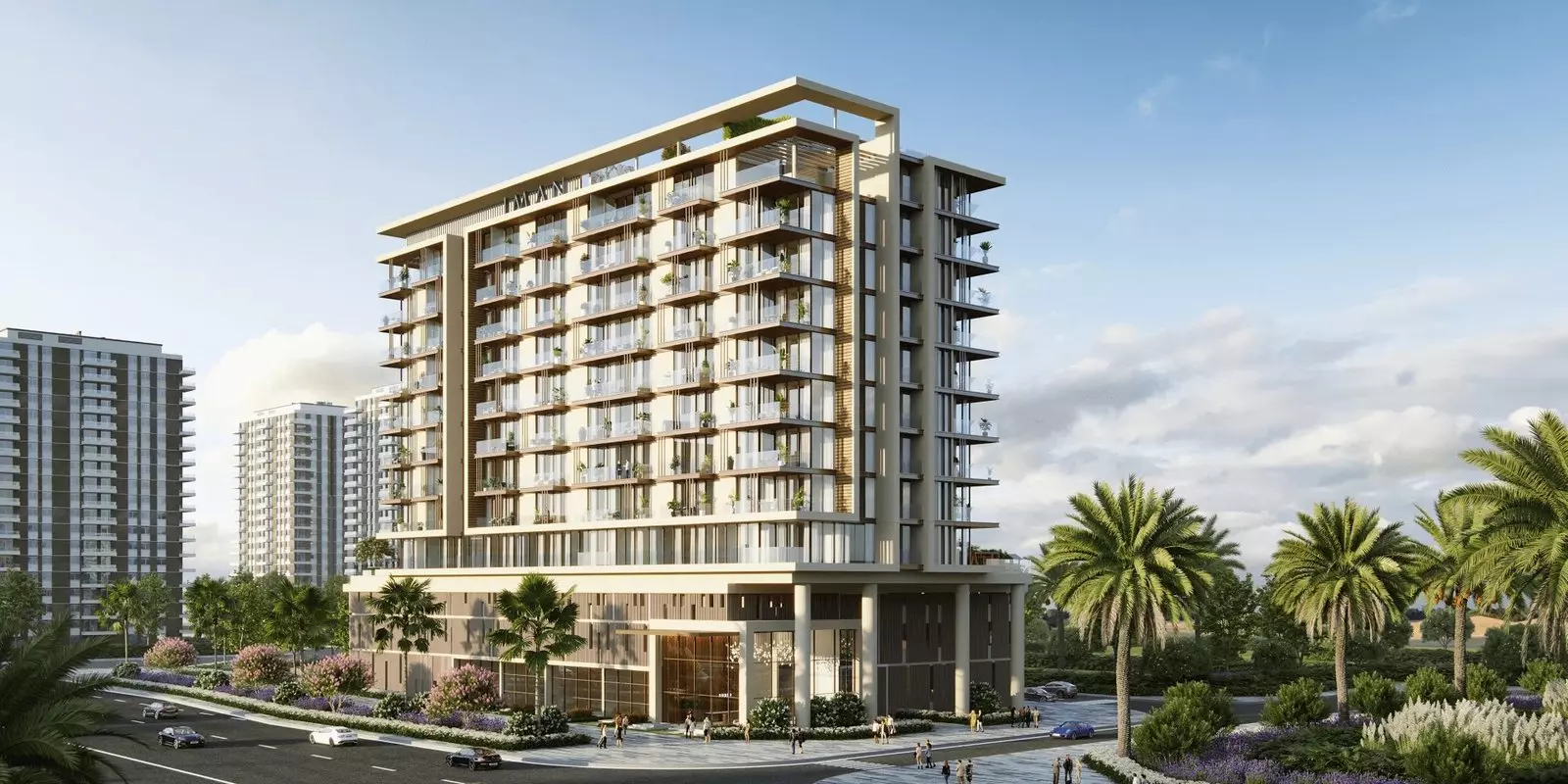
AED 980K
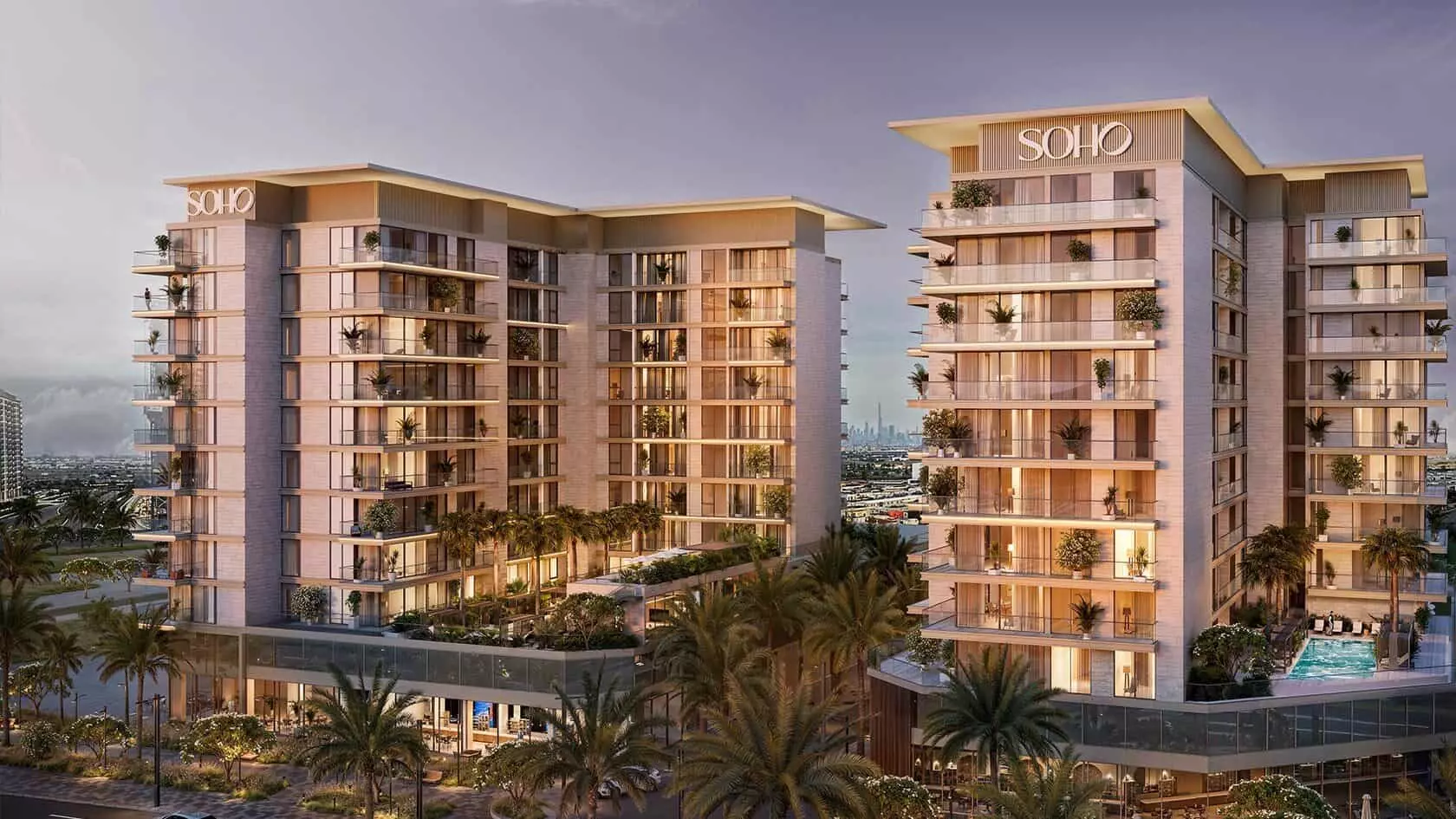
AED 1M
AED 10.4M
AED 1.7M
Nearby Projects
- New Projects in Dubai Science Park
- New Projects in Al Barari
- New Projects in Living Legends
- New Projects in Arjan
- New Projects in Nad Al Sheba
- New Projects in Sheikh Zayed Road
- New Projects in Al Barsha
- New Projects in Umm Suqeim
- New Projects in Majan
- New Projects in Al Sufouh
- New Projects in Mohammed Bin Rashid City
- New Projects in Motor City
- New Projects in Jumeirah Village Circle
- New Projects in City of Arabia
- New Projects in Al Safa
Other Developers
- New Projects by Emaar Properties
- New Projects by Ellington
- New Projects by H&H Development
- New Projects by CITYVIEW Developments
- New Projects by OCTA Properties
- New Projects by Iman Developers
- New Projects by National Properties
- New Projects by Ginco Properties
- New Projects by Royal Development Holding
- New Projects by Soho Development
- New Projects by Fortimo Real Estate
Where the Neighborhood Came First: New Projects in Dubai Hills Estate
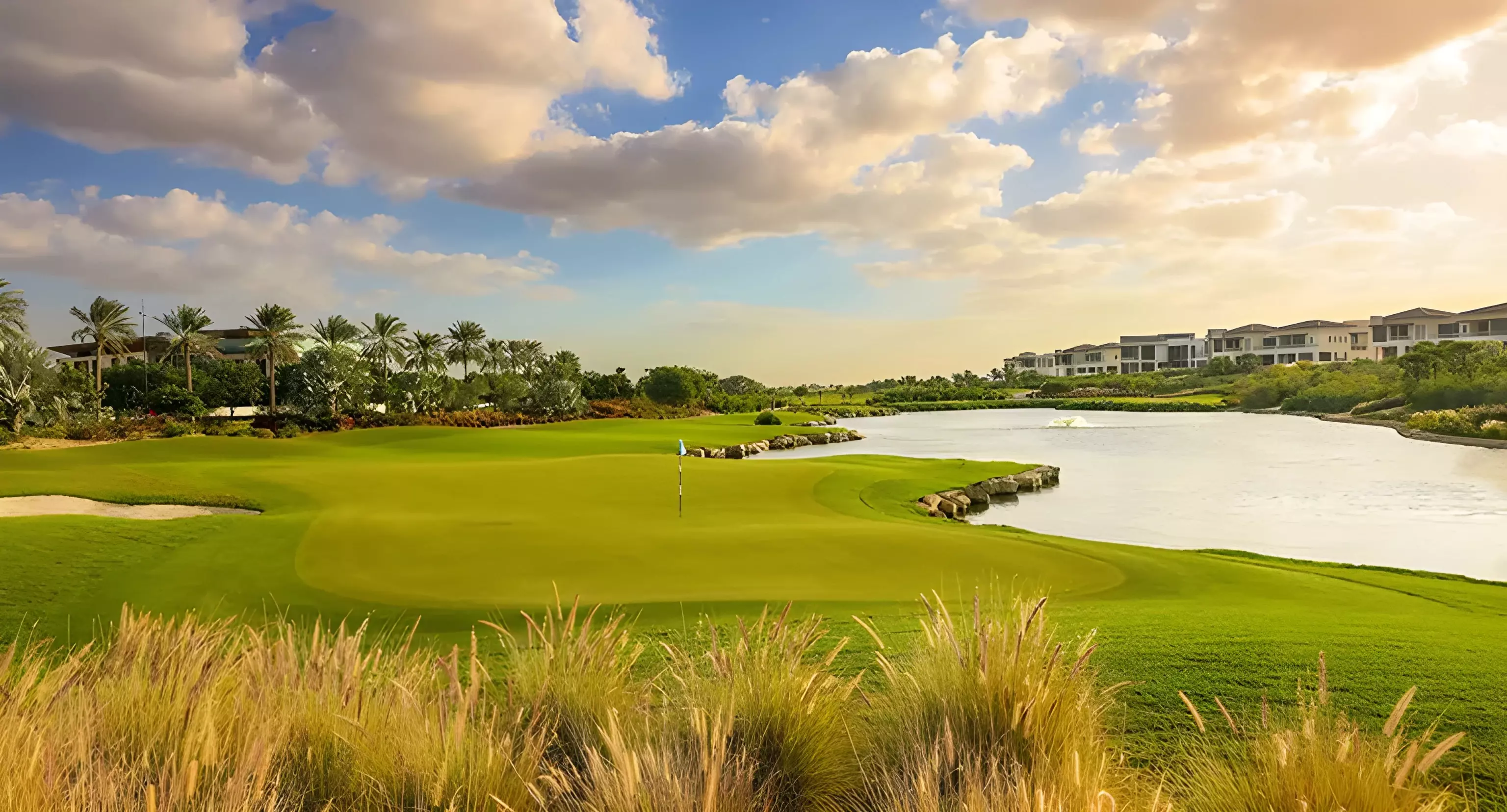
Dubai Hills Estate is a master-planned community developed by Emaar Properties, positioned along Al Khail Road roughly 15 minutes from Downtown Dubai. It functions as a complete neighborhood today — with its own mall, hospital, championship golf course, and schools — while a second wave of off-plan projects continues to fill in around the completed zones. With 50 active listings, this is one of Dubai's deeper district-level off-plan markets, offering buyers genuine variety in property type, price point, and handover timing.
Where AED 1.71M Sits in the Range
Prices across the district span from AED 871,538 at entry to AED 66,100,000 at the top. That spread is wide, but the median at AED 1,710,000 is the most useful anchor for a typical buyer. The gap between min and max reflects the full width of property types on offer, from standard apartments to villas in the estate's more exclusive clusters.
| Property Type | Projects |
|---|---|
| Apartment | 41 |
| Townhouse | 12 |
| Villa | 9 |
| Duplex | 6 |
| Penthouse | 1 |
Apartments account for the majority of active projects and anchor the median price point. They attract investors and professionals who want proximity to central Dubai without the density of Downtown or Business Bay. Townhouses and villas shift toward family buyers prioritizing garden space and access to Dubai Hills Park and the golf course. The six duplex projects signal developer confidence that demand exists for larger apartment configurations sitting between standard units and townhouses in both price and profile.
11 Developers, One Master Framework
Emaar Properties built the master plan and remains the most active name here. The other ten developers — Ellington, CITYVIEW Developments, H&H Development, National Properties, Fortimo Real Estate, Ginco Properties, Iman Developers, OCTA Properties, Royal Development Holding, and Soho Development — each build within Emaar's governing framework for the community. 11 developers across 50 projects is a concentrated market relative to more fragmented districts across Dubai. For buyers thinking about resale, the dominance of established names, alongside completed comparable stock already trading in the area, tends to support secondary market pricing better than zones where many small developers each hold a single project.
Sub-areas worth tracking closely include Golf Place, Park Gate, Parkside Hills, Palm Hills, Club Drive, Park Field, and Lime Gardens. Each sits in a slightly different position within the community — some facing the golf course, others the park or the mall corridor — and pricing reflects those distinctions.
Handover: Some Already Complete, Pipeline Runs to 2029
The earliest recorded completion in Dubai Hills Estate is January 2023, meaning a portion of listed projects has already handed over. Buyers inquiring about those listings should confirm current status directly with the developer or agent. Active off-plan inventory extends out to October 2029, giving buyers entering today a window of roughly three to four years on most new launches.
Entry costs are accessible by Dubai standards. The minimum down payment across the market is 5%, which sits at the low end of standard off-plan requirements. Five of the fifty projects carry post-handover payment plans, where instalments continue after keys are received. For investors who plan to lease immediately on handover, that structure allows rental income to offset the ongoing payment schedule from the start.
What the Amenities Pattern Says About the Resident Profile
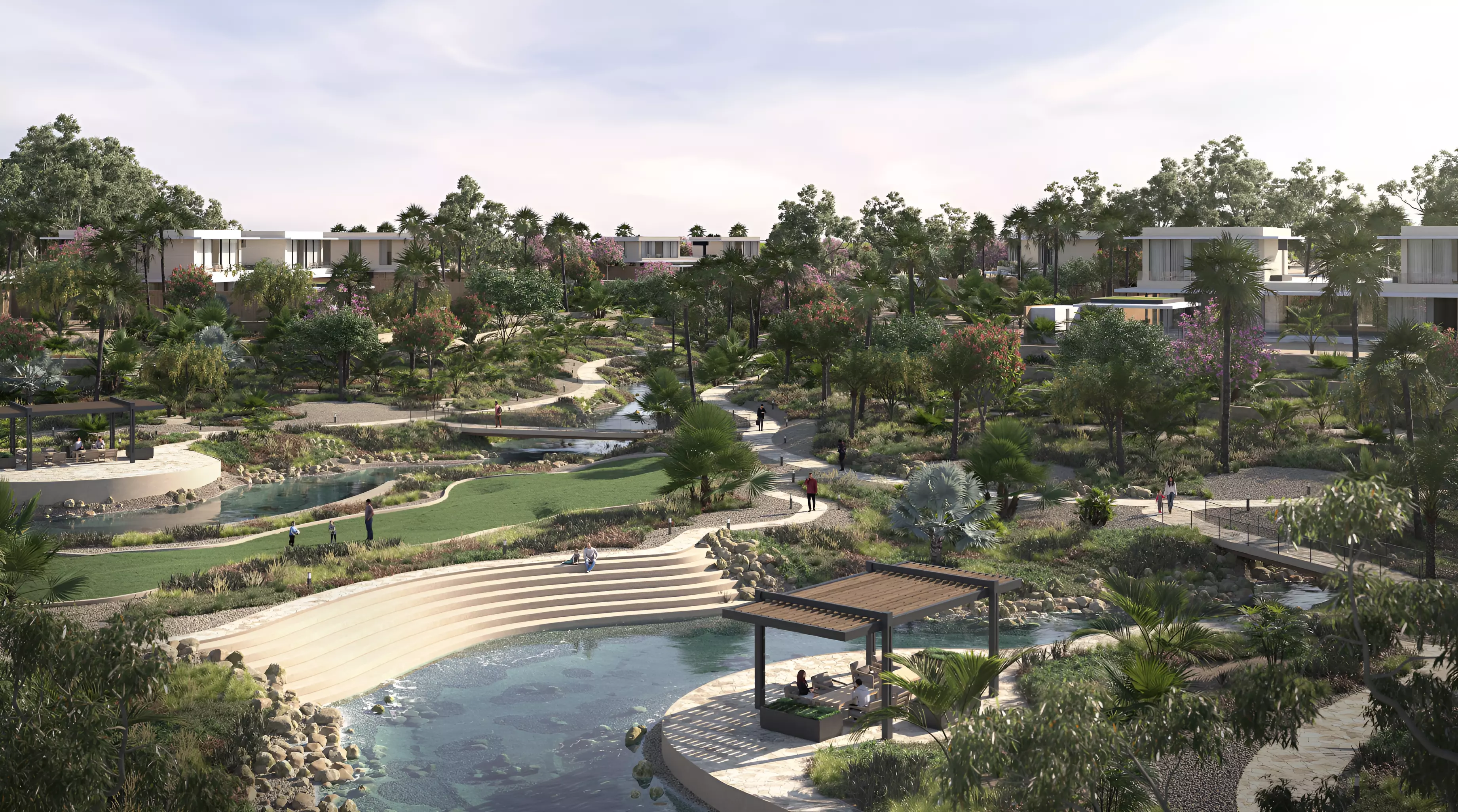
The amenities that appear most consistently across Dubai Hills Estate projects — gymnasiums, children's play areas, landscaped gardens, shared pools, and barbecue areas — describe a community built around residents who plan to live there rather than use the building as a short-stay base. The steady presence of CCTV and perimeter security reflects the gated format that runs throughout the master plan. Infinity pools and indoor swimming pools appear in higher-positioned developments, but the dominant pattern here is outdoor, family-oriented communal space. Restaurants within building podiums reinforce the profile: buyers in this district expect their development to connect into a functioning neighborhood, not operate as a standalone product.