
Projects in Dubai Land Residence Complex
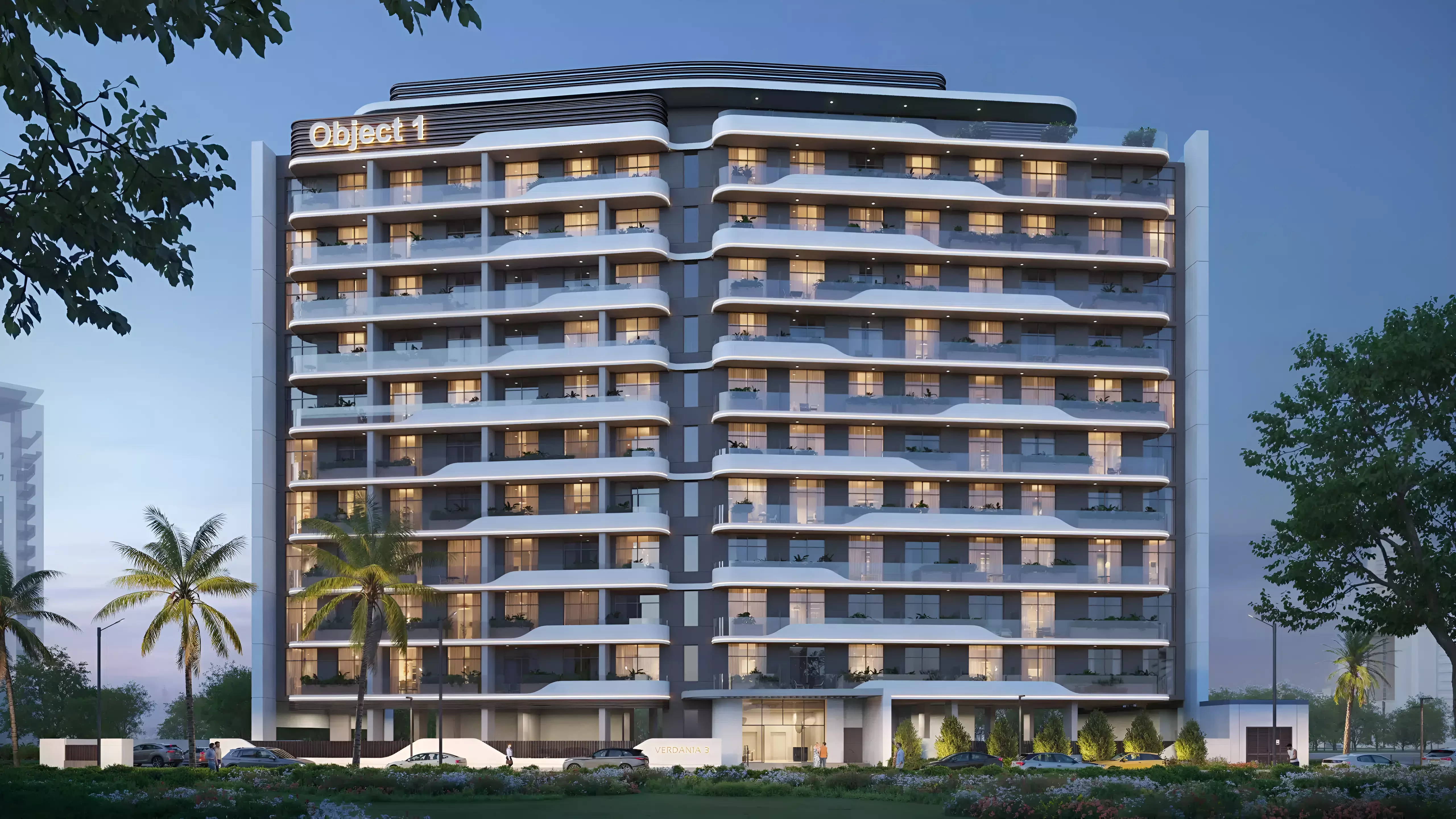
AED 710K
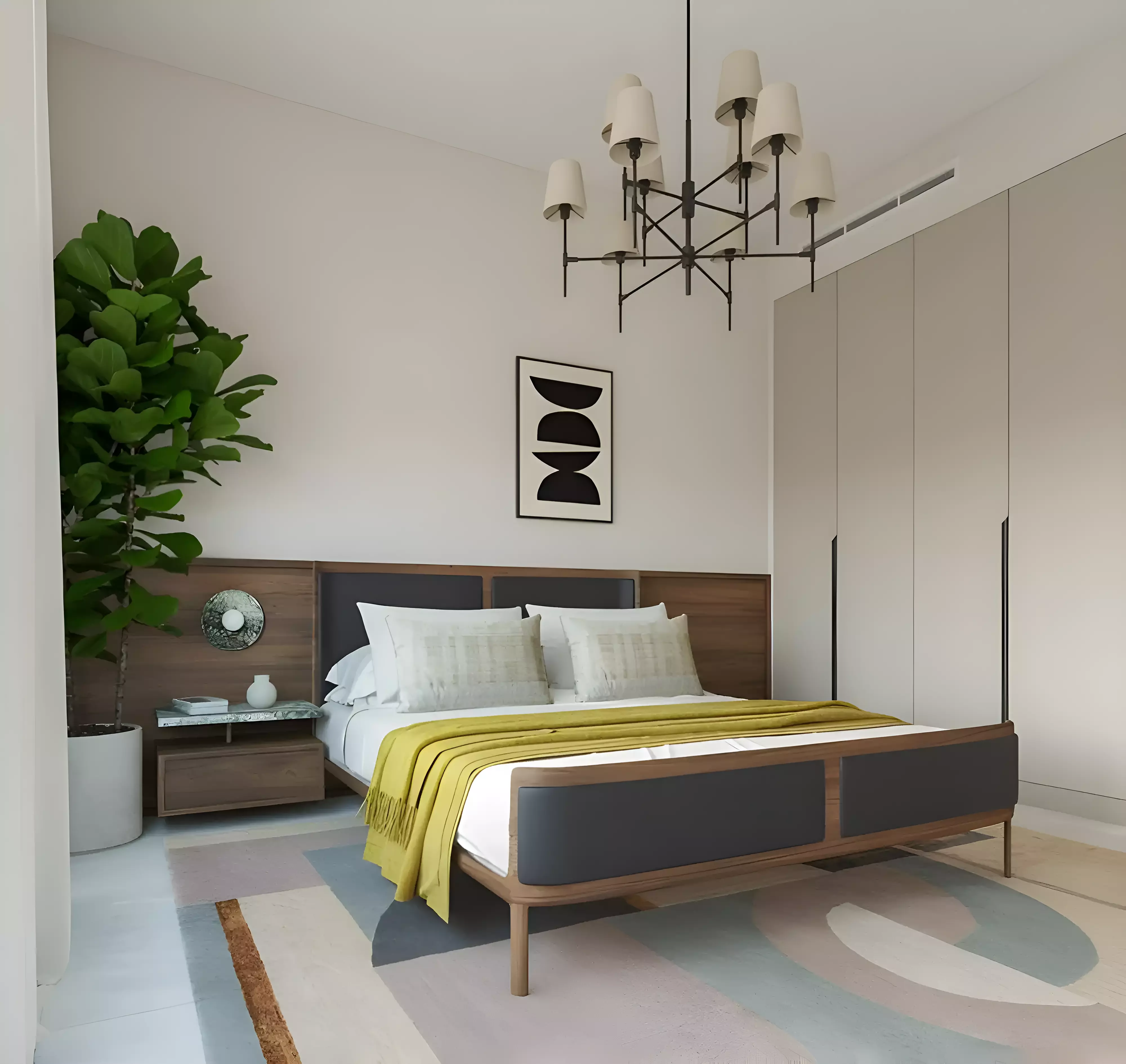
AED 701K
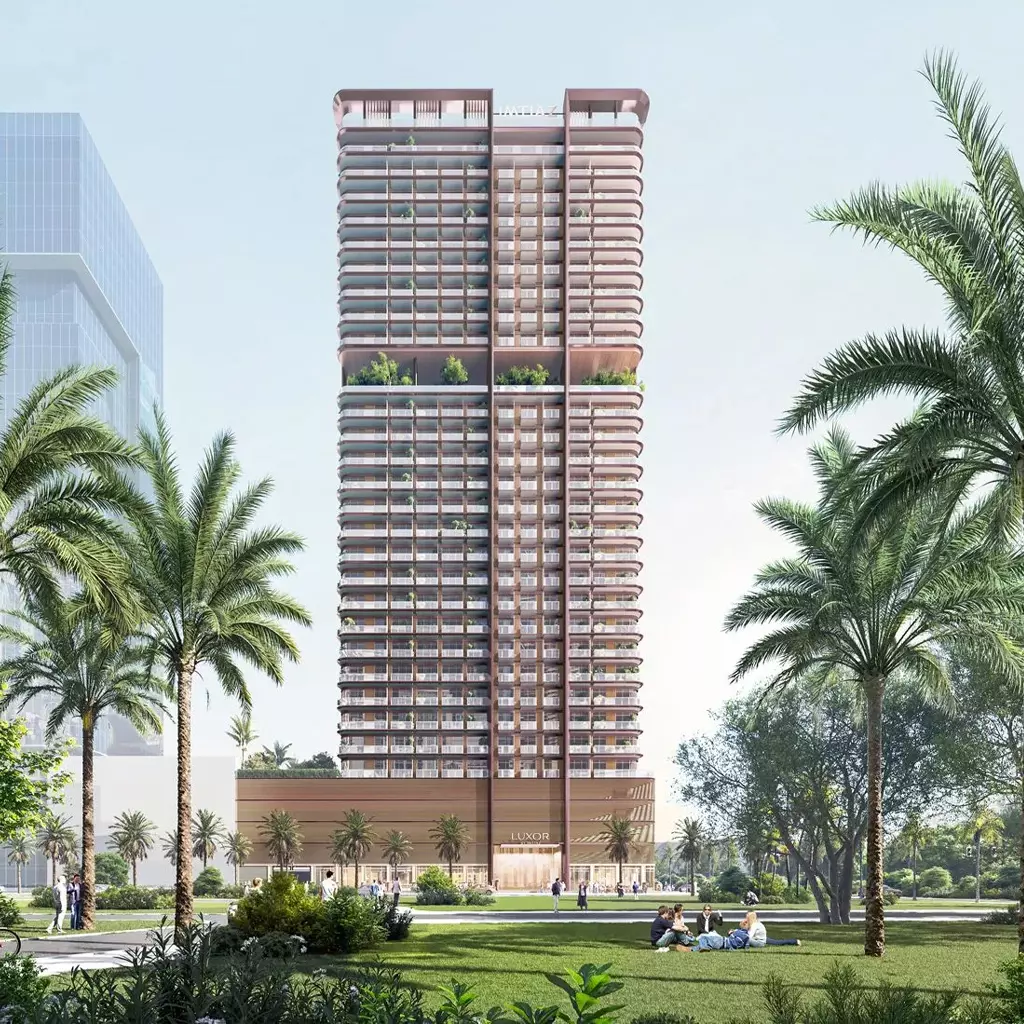
AED 625K
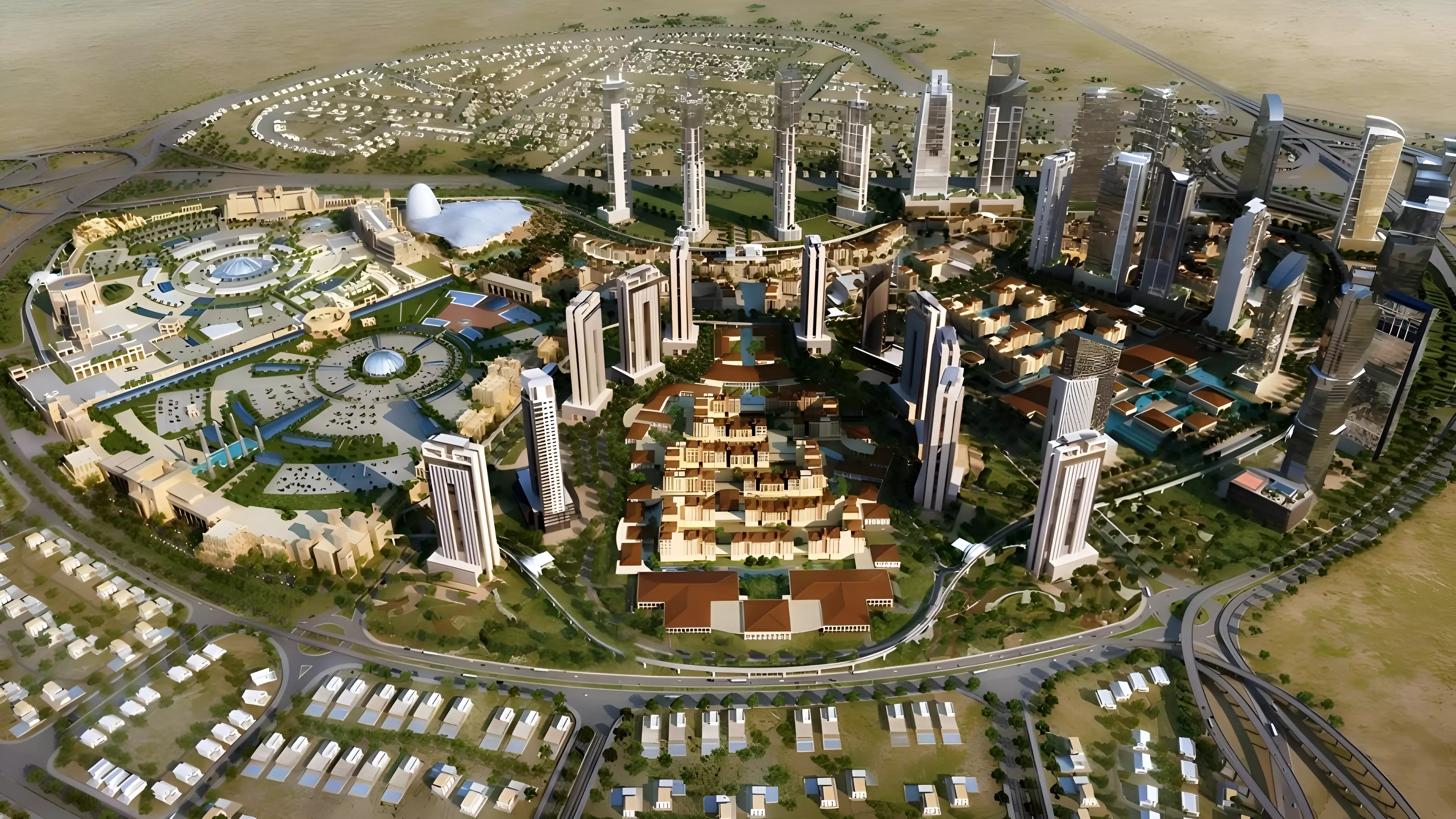
AED 710K
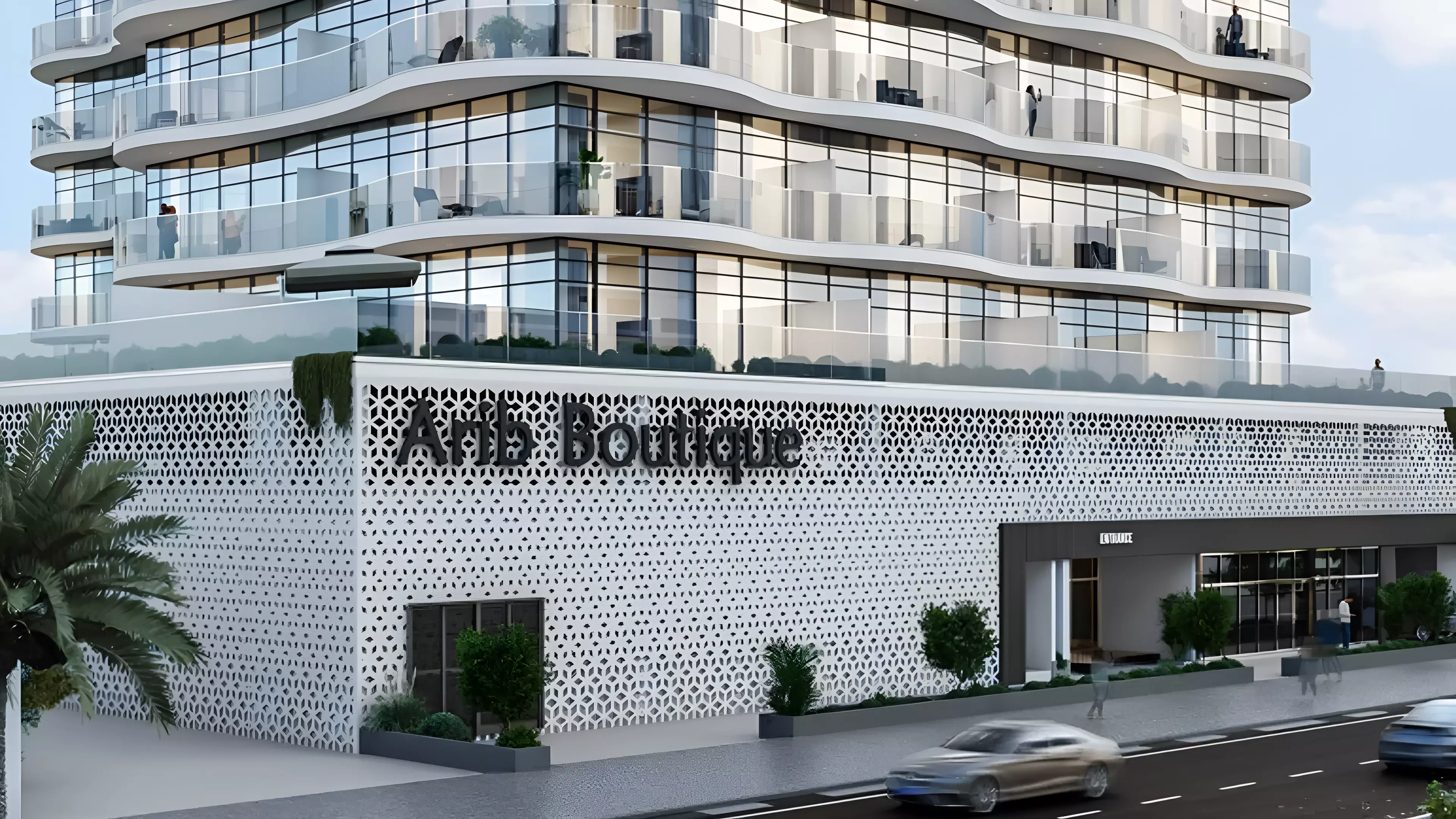
AED 650K
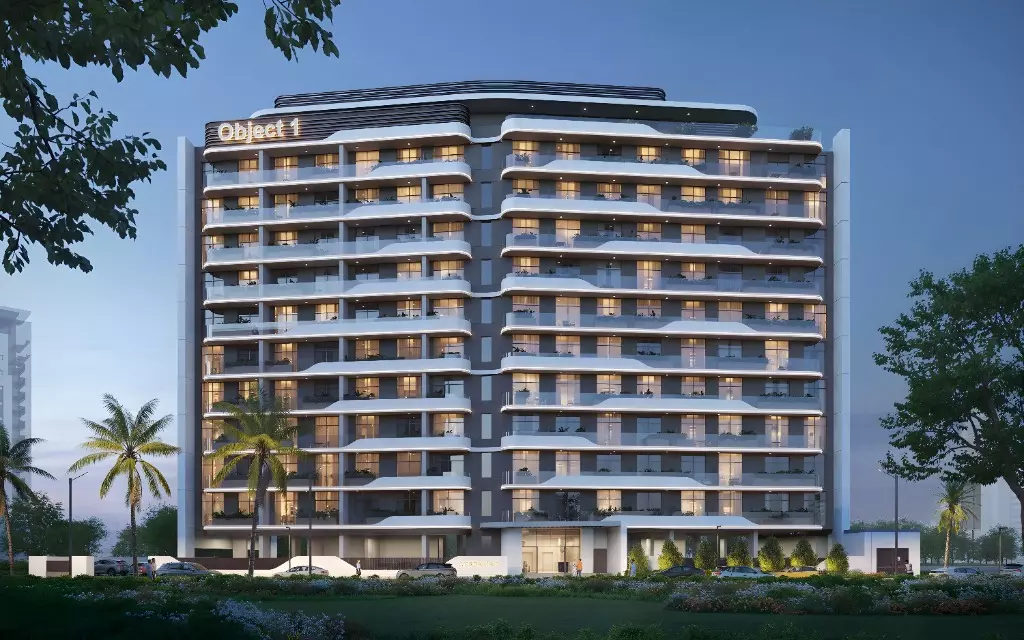
AED 862K
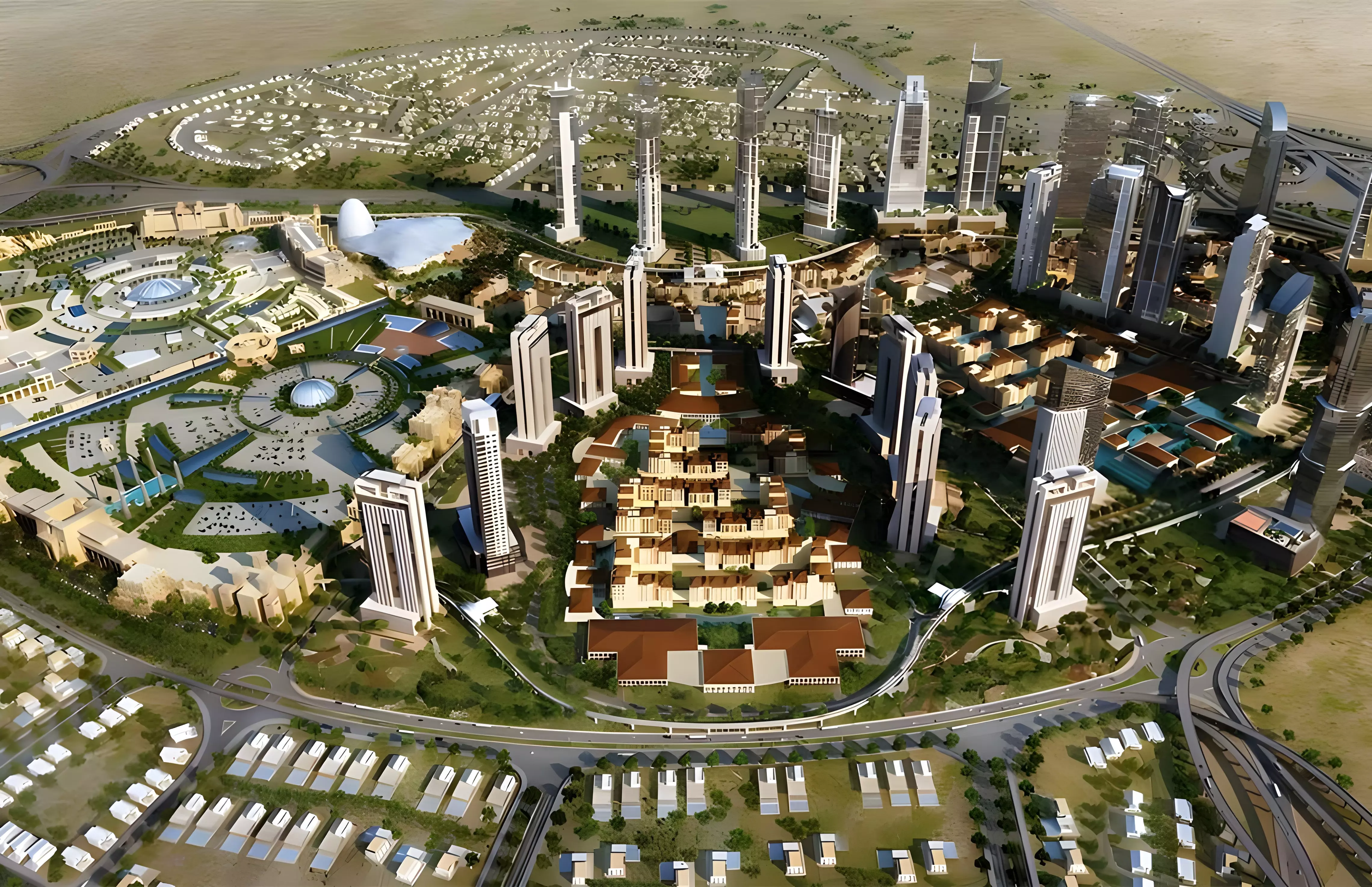
AED 927K
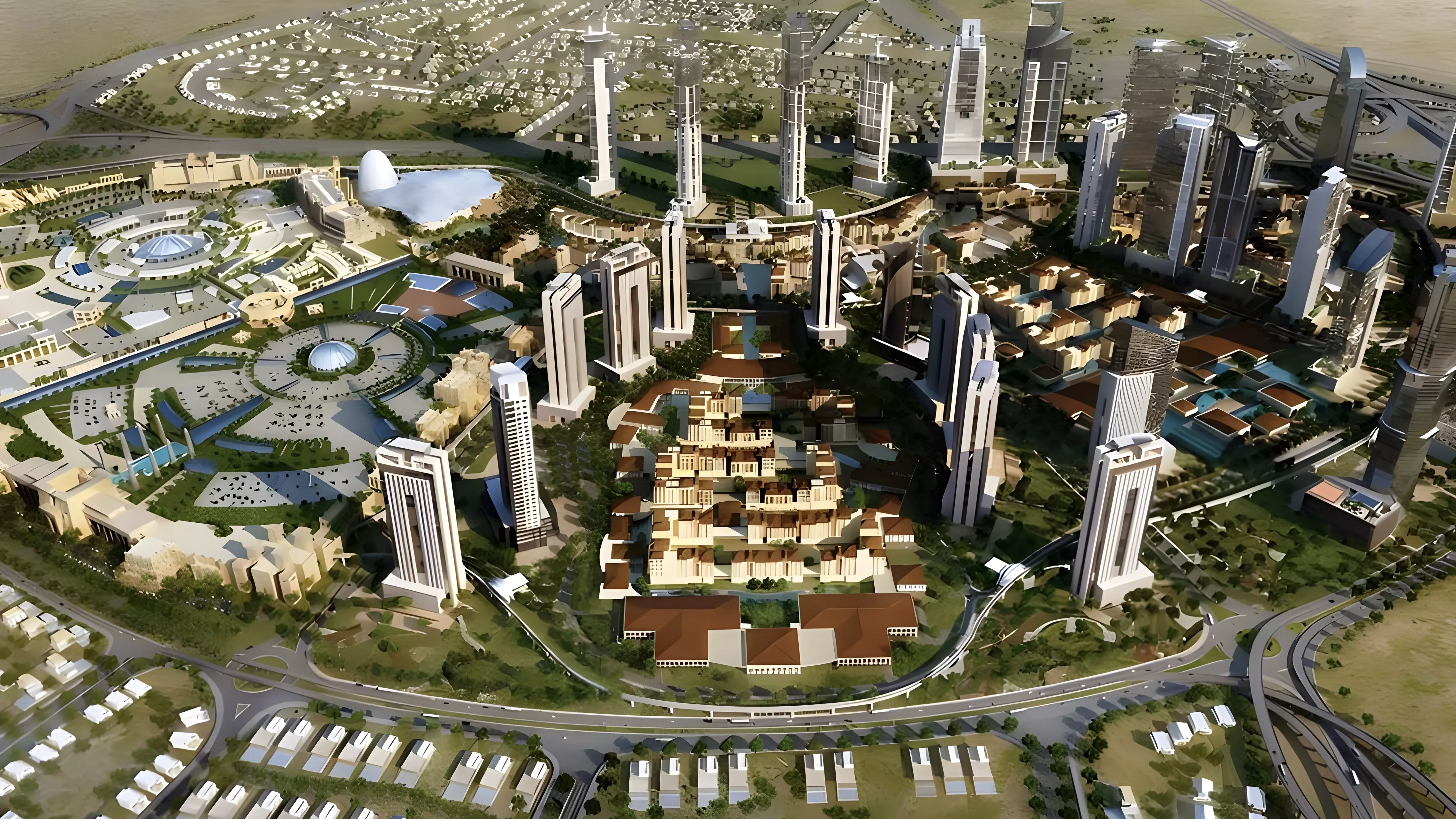
AED 930K
AED 650K
AED 799K
Nearby Projects
- New Projects in Al Rowaiyah 1
- New Projects in Wadi Al Safa 5
- New Projects in Liwan
- New Projects in Dubai Land
- New Projects in Dubai Silicon Oasis
- New Projects in Villanova
- New Projects in Falcon City of Wonders
- New Projects in City of Arabia
- New Projects in Arabian Ranches 3
- New Projects in Majan
- New Projects in Al Warsan
- New Projects in Umm Al Daman
- New Projects in Living Legends
- New Projects in Al Barari
- New Projects in International City
Other Developers
- New Projects by Imtiaz Developments
- New Projects by Samana Developers
- New Projects by Object 1
- New Projects by LEOS International
- New Projects by AG Properties
- New Projects by Arabian Gulf Properties
- New Projects by Peace Homes Group
- New Projects by Reef Luxury Development
- New Projects by Majid Developments
- New Projects by Dugasta
- New Projects by Time Properties
- New Projects by Mashriq Elite Developments
- New Projects by Zoya Developments
- New Projects by Fakhruddin Properties
- New Projects by WADAN Developments
Explore by Developer in Dubai Land Residence Complex
- Imtiaz Developments Projects in Dubai Land Residence Complex
- Samana Developers Projects in Dubai Land Residence Complex
- Object 1 Projects in Dubai Land Residence Complex
- LEOS International Projects in Dubai Land Residence Complex
- AG Properties Projects in Dubai Land Residence Complex
- Arabian Gulf Properties Projects in Dubai Land Residence Complex
- Peace Homes Group Projects in Dubai Land Residence Complex
- Reef Luxury Development Projects in Dubai Land Residence Complex
Where 20 Developers Are Shaping Dubai Land Residence Complex
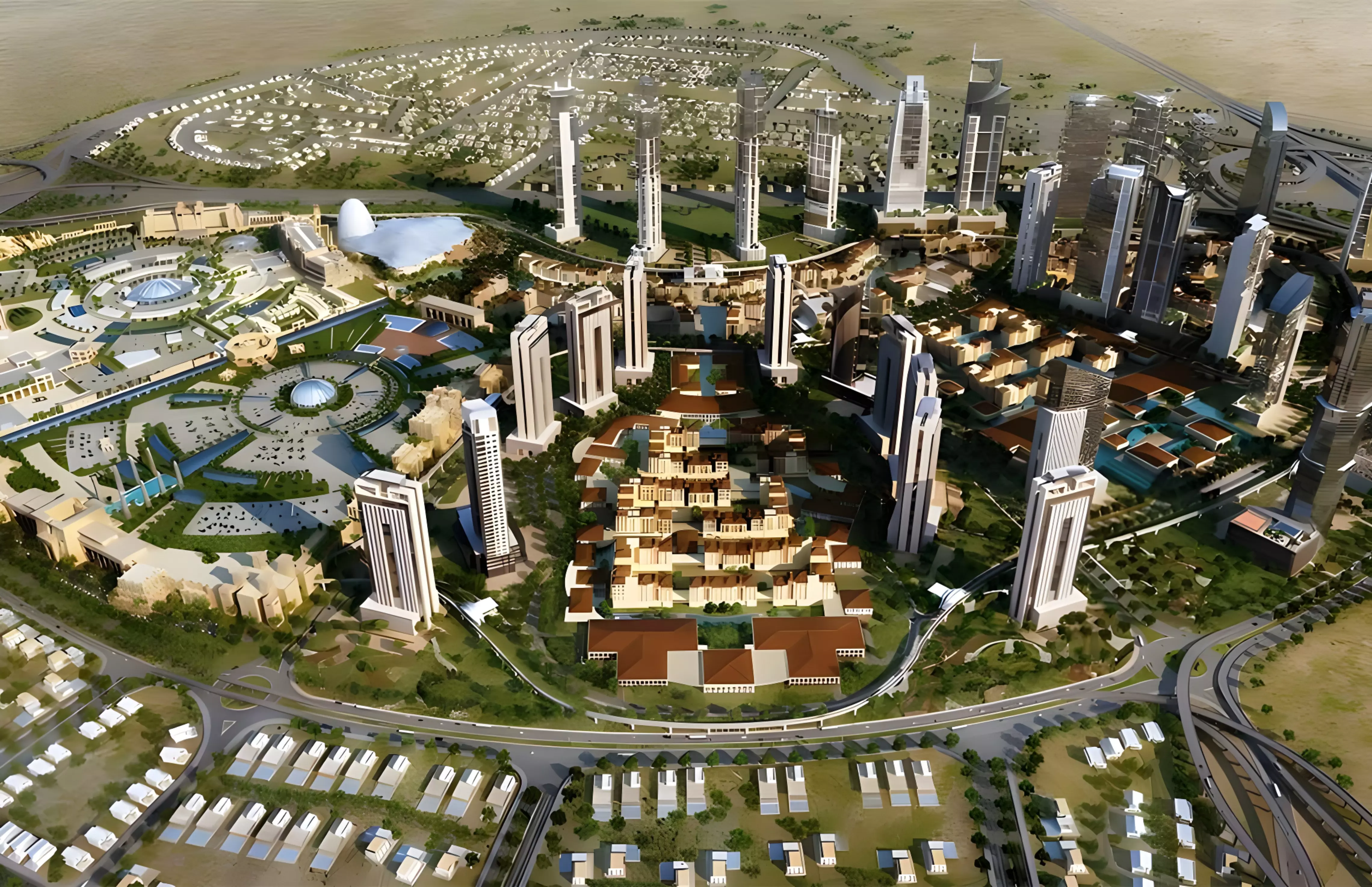
Dubai Land Residence Complex (DLRC) is a developing mid-market residential district within the broader Dubai Land masterplan, positioned in the southeastern reaches of Dubai. With 40 projects spread across more than 30 sub-communities, it carries one of the more active off-plan pipelines among Dubai's emerging residential zones. The area is not established in the way Business Bay or JVC are. Infrastructure and communities are still taking form, which shapes both the pricing and the buyer profile across the district.
Where AED 663,500 Is the Midpoint
Prices across DLRC run from AED 445,332 at entry to AED 2,837,046 at the top end, with a median of AED 663,500. The median is the most useful figure here. It places the typical DLRC buyer below the AED 700K mark, positioning the district squarely in Dubai's mid-market off-plan tier.
The gap between minimum and maximum stretches more than six times from floor to ceiling, but this reflects project outliers at the upper end rather than a broad luxury segment. Apartments account for 38 of 40 projects, with one duplex and one townhouse completing the inventory.
| Property Type | Projects |
|---|---|
| Apartment | 38 |
| Duplex | 1 |
| Townhouse | 1 |
This is overwhelmingly an apartment market. The near-absence of landed or larger-format product suggests developers have assessed demand here as primarily investor-driven and entry-level owner-occupier, not family upsizers seeking additional space.
20 Developers, One Fragmented Market
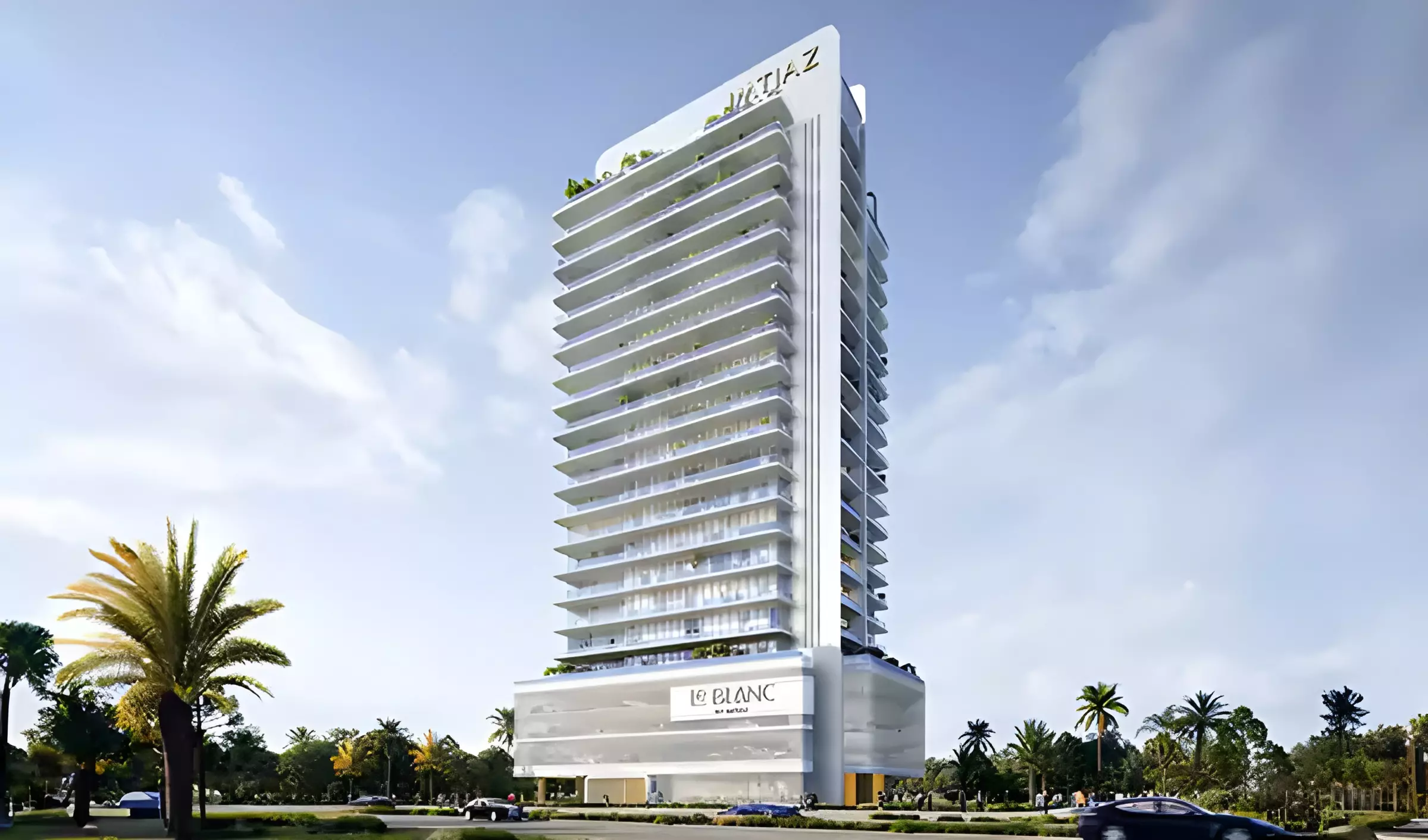
With 20 developers building across 40 projects, DLRC operates as a competitive, fragmented market where no single name dominates. Imtiaz Developments and Samana Developers are among the most active, each running multiple projects. Imtiaz's presence includes Cove Edition 1, Cove Grand, Le Blanc Residence, and Imtiaz DLRC Tower. Samana covers Samana Avenue, Samana Ibiza, Samana Ivy Gardens and its second phase, and Samana Park Meadows. Other active names include LEOS International, Object 1, AG Properties, and Peace Homes Group.
That fragmentation matters for buyers thinking about resale. With many mid-size developers each handling one or two projects, there is less single-developer coherence than you find in master-planned zones like Dubai Hills or Damac Hills. Build quality and delivery timelines can vary across players. Buyers should research individual developer track records alongside the specific project.
Sub-communities worth tracking within DLRC include the Verdania phases, Weybridge Gardens, Peace Lagoons, Reef 1000 and Reef 998, and the Samana-branded cluster.
Handover Window and Entry Terms
The earliest completion in DLRC's current inventory is March 2025, meaning some projects have already reached or passed handover. Buyers enquiring about near-term listings should confirm current construction and delivery status rather than assuming off-plan conditions still apply. The latest completion extends to May 2030, giving buyers entering now a window of roughly five years across different stages of development.
18 of 40 projects carry post-handover payment plans, representing 45% of available inventory. Post-handover plans allow buyers to continue instalments after receiving the keys rather than settling the full balance at completion, which reduces the capital required at any single moment in the purchase cycle. The minimum down payment across DLRC is 10%, a low entry point relative to typical Dubai off-plan requirements and a reflection of the competitive developer environment here.
What the Amenity Mix Says
Across DLRC, the most common amenities are gymnasiums, children's play areas, landscaped gardens, shared pools, and barbecue areas, backed by CCTV coverage and 24-hour security. That combination points clearly at a resident profile of working adults and young families seeking value within Dubai. The security and fitness emphasis is consistent with mid-market apartment communities built for owner-occupiers and long-term tenants.
Restaurants appearing in the top amenities suggest some projects are aiming for a more self-contained community experience. Buyers should confirm which amenities are built and operational versus earmarked for later phases before factoring them into a purchase decision.