
Projects in Dubai Investment Park 2 (DIP 2)
View on map
AED 5.5M
AED 7.1M
AED 7.1M
AED 2M
AED 3.6M
Information only · We can’t help you buy in this project
On request
Information only · We can’t help you buy in this project
AED 2.9M
Information only · We can’t help you buy in this project
AED 2M
Information only · We can’t help you buy in this project
AED 5.7M
Information only · We can’t help you buy in this project
AED 993K
Information only · We can’t help you buy in this project
Nearby Projects
Other Developers
Explore by Developer in Dubai Investment Park 2 (DIP 2)
Where AED 1.86M Is the Midpoint: New Projects in Dubai Investment Park 2 (DIP 2)
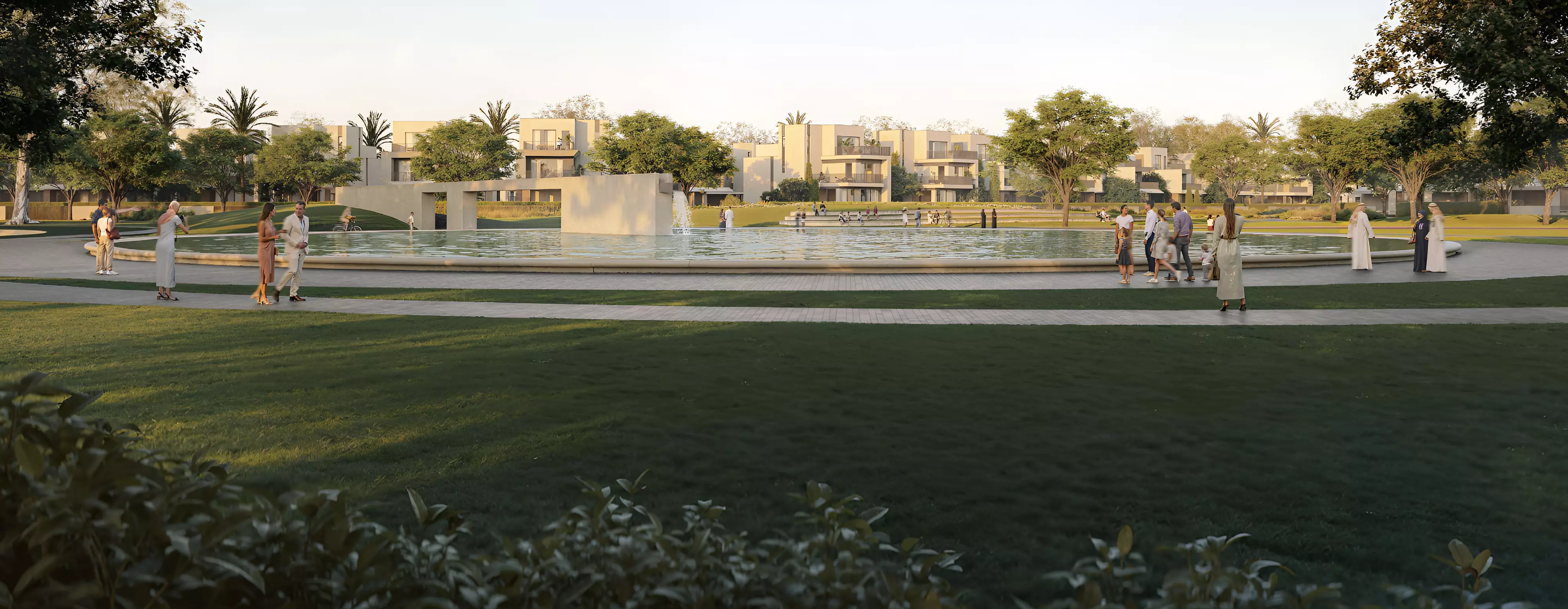
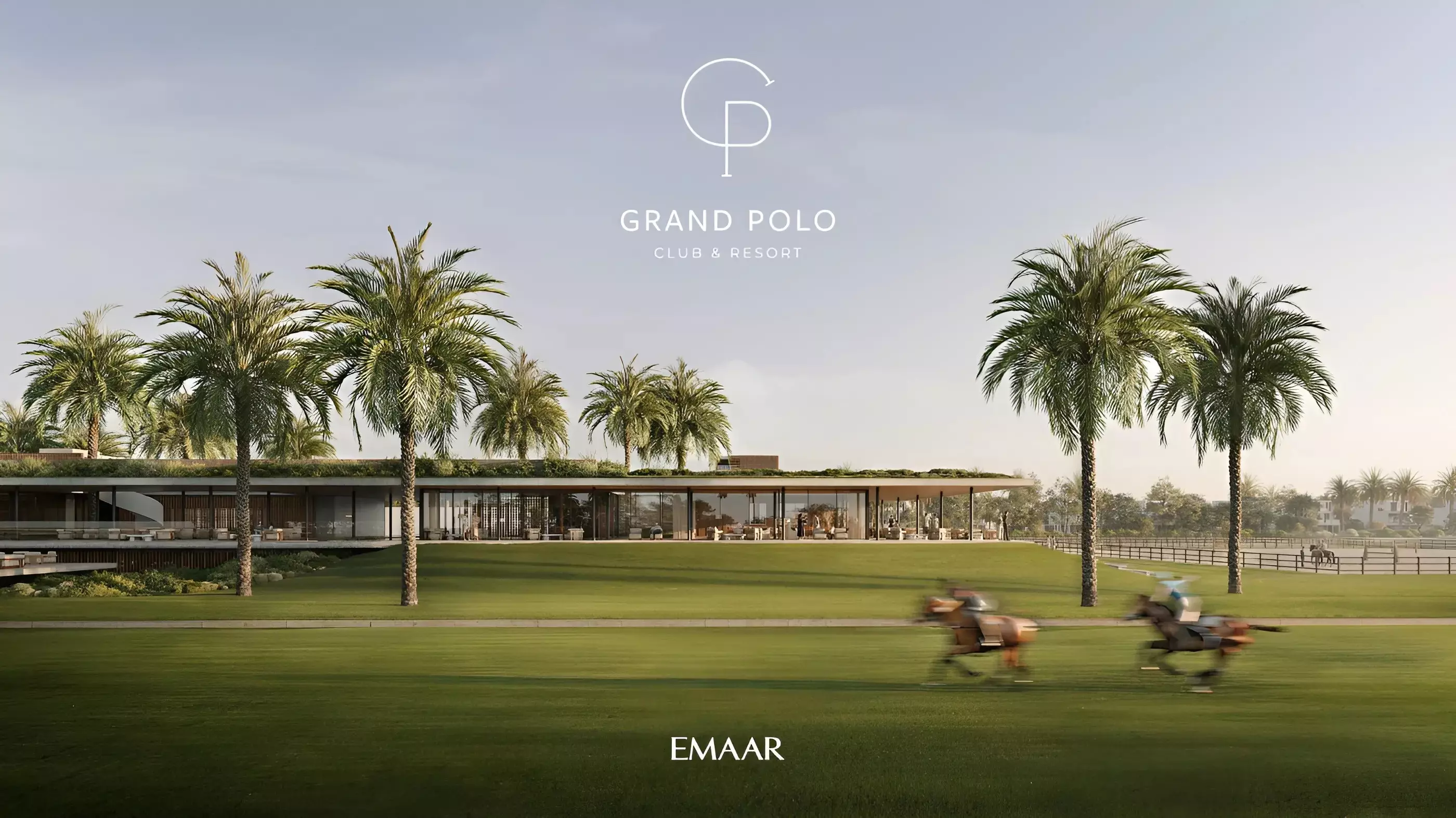
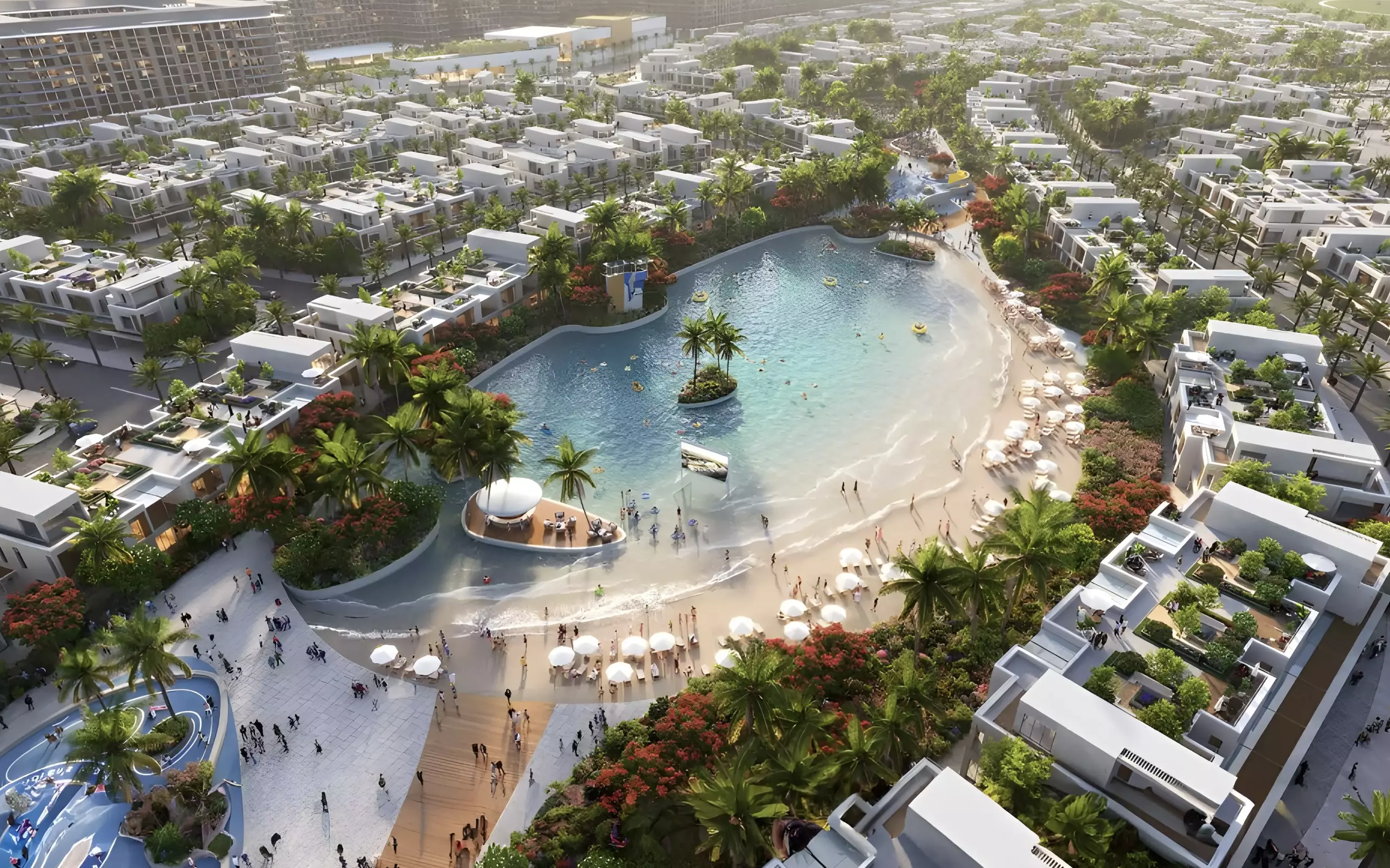
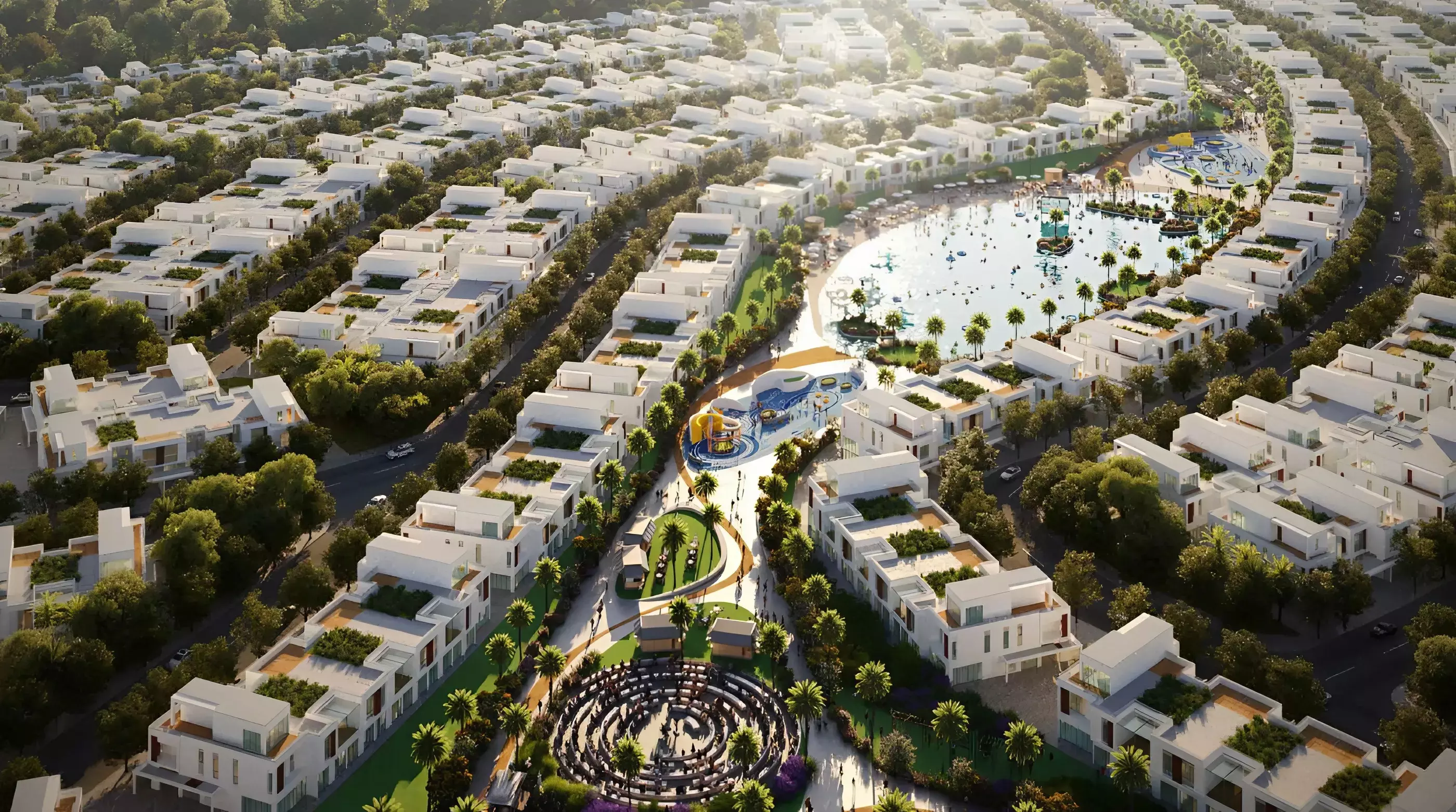
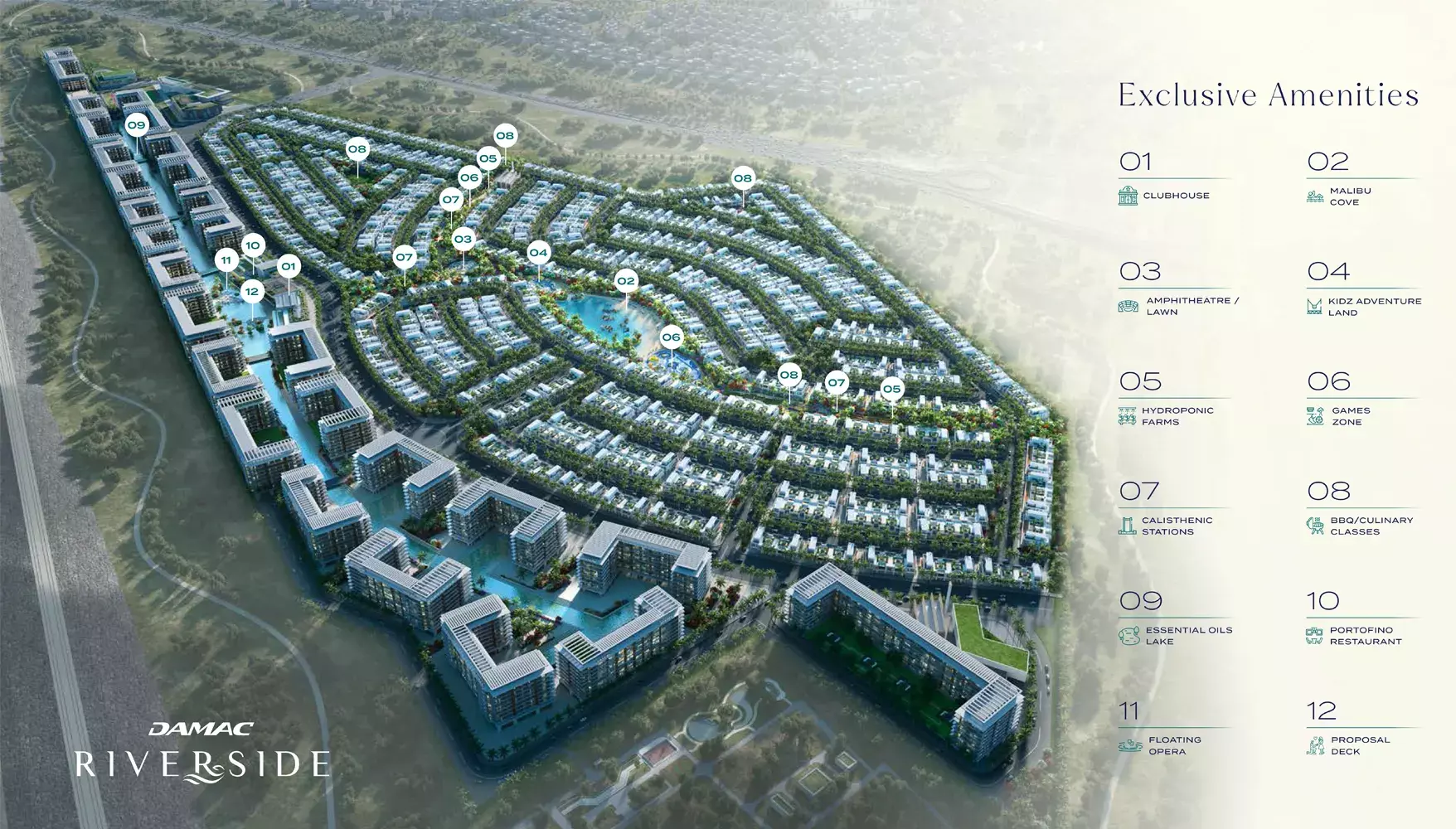
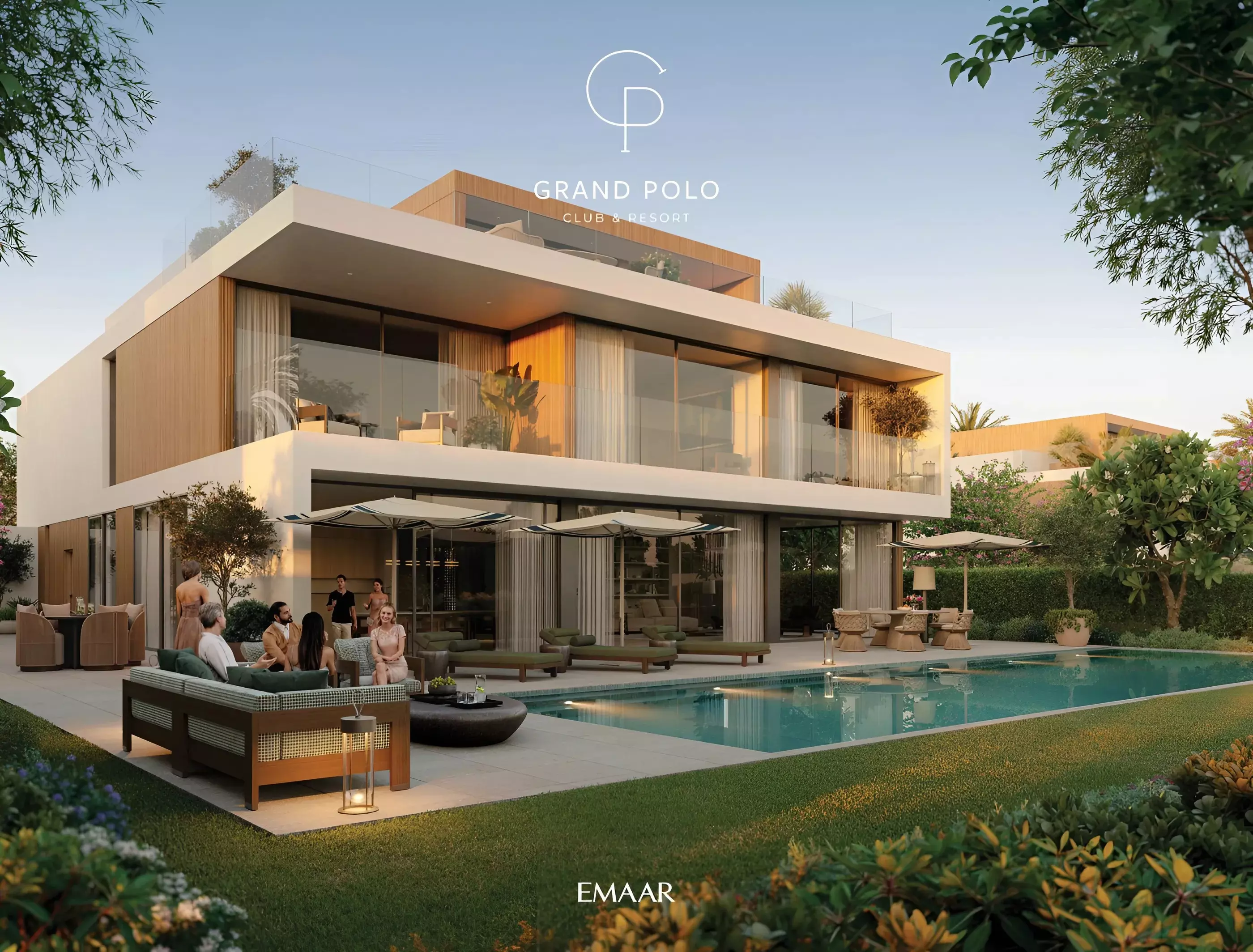
Dubai Investment Park 2 is a subdistrict of Dubai Investment Park (DIP). The residential communities taking shape here include Damac Riverside, Grand Polo Club and Resort, and Marbella by Zarwah, each a self-contained masterplan rather than a collection of individual buildings. With 22 projects currently listed and just three developers behind all of them, this is a developer-led build-out where buyers are choosing between planned communities rather than competing individual projects.
AED 748K to AED 9.93M: A Range Driven by Type
The median price across DIP 2 projects stands at AED 1,863,000. Entry starts at AED 748,000 and the ceiling reaches AED 9,930,000, a spread exceeding 13x. That gap is directly tied to the property type mix: apartments anchor the lower end and villas account for the upper reaches. The range does not reflect varying quality within one category. It reflects genuinely different products aimed at genuinely different budgets.
What the Property Mix Tells You
| Property Type | Projects |
|---|---|
| Apartment | 10 |
| Villa | 8 |
| Townhouse | 4 |
Apartments make up just under half the inventory. They serve buyers looking for an accessible entry point in a planned community with shared amenities. The villa count at 8 projects signals a deliberate pitch toward family buyers who want ground-level homes with private outdoor space. Townhouses (4 projects) sit between the two in price and format, for buyers who want more room than an apartment but are not at the point of committing to a standalone villa.
Three Developers, One Build-Out
Three developers account for all 22 projects, a tight concentration that defines the structure of supply in DIP 2. Damac Properties drives the bulk of the inventory, with multiple Riverside-branded phases spread across the subdistrict, from Damac Riverside and Damac Riverside Views to several sub-phases within those communities. Emaar Properties and Zarwah Developments each contribute distinct products, with Zarwah anchored by Marbella by Zarwah. For a buyer thinking about resale, this structure means phasing is predictable and community management follows a coherent plan, but price comparison is limited to a small set of comparable projects, most within the same developer's own pipeline.
Handover Timing: Some Projects Already at the Line
The earliest completions in DIP 2 fell in December 2025, which means a portion of the listed inventory may already be handed over or in final delivery stages. Buyers should confirm current construction status before treating those project timelines as future milestones. The delivery pipeline extends to June 2029, giving buyers entering the market now a window of roughly two to three years for the later phases under construction.
10% Down, No Deferred Balance
The minimum down payment across DIP 2 projects is 10%, sitting at the lower end of typical Dubai off-plan requirements. None of the listed projects carry post-handover payment plans. Payment schedules run on construction milestones from the outset, with no balance deferred past handover.
What the Amenities Tell You
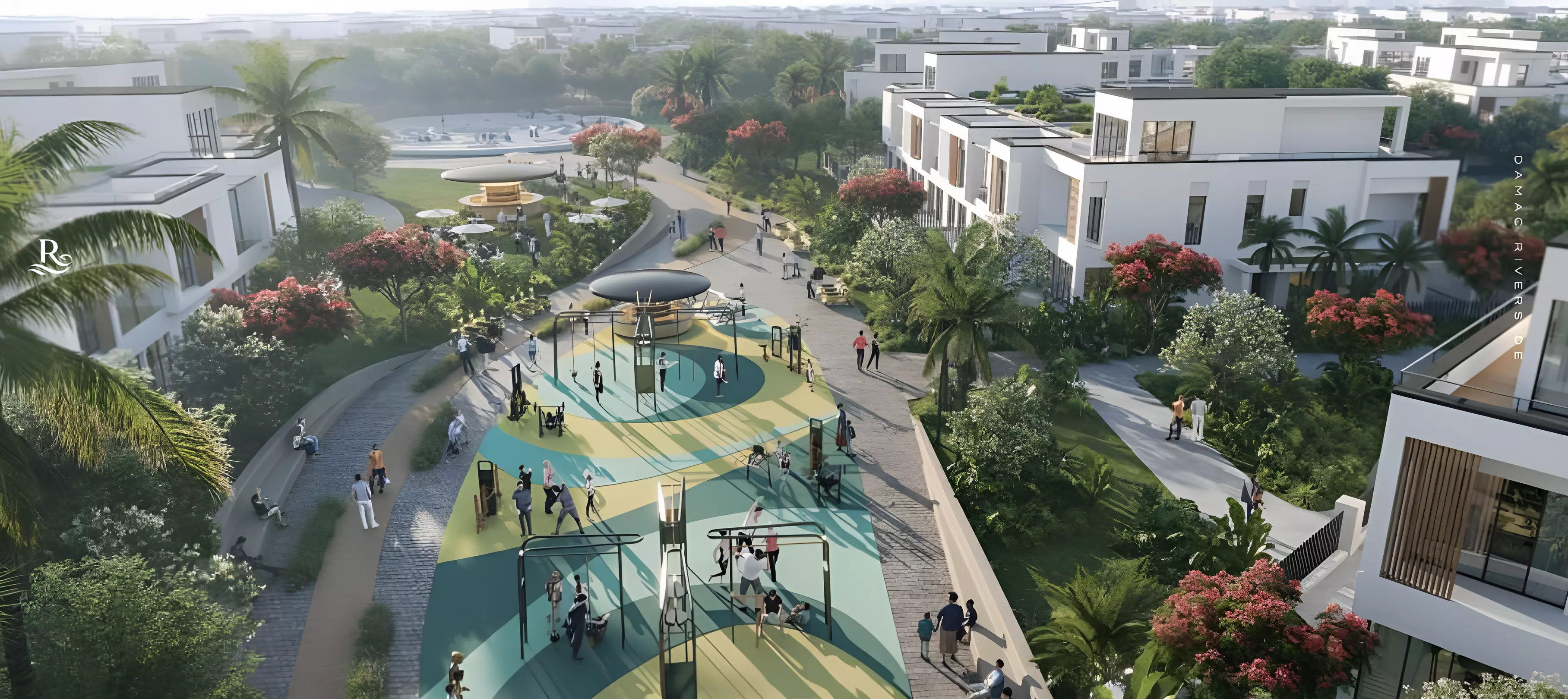
The four most consistent amenities across DIP 2 communities are children's play areas, CCTV security, gymnasium, and in-community restaurants, with infinity pool and cinema rounding out the leisure offer. That combination of security infrastructure, child-specific outdoor spaces, and on-site dining and entertainment points to a resident profile centred on families rather than investors or short-term occupants. The pattern suggests this subdistrict targets people who plan to spend the bulk of their daily routine within the development, not commuters optimising for proximity to the city core.