
Projects in Jumeirah Garden City
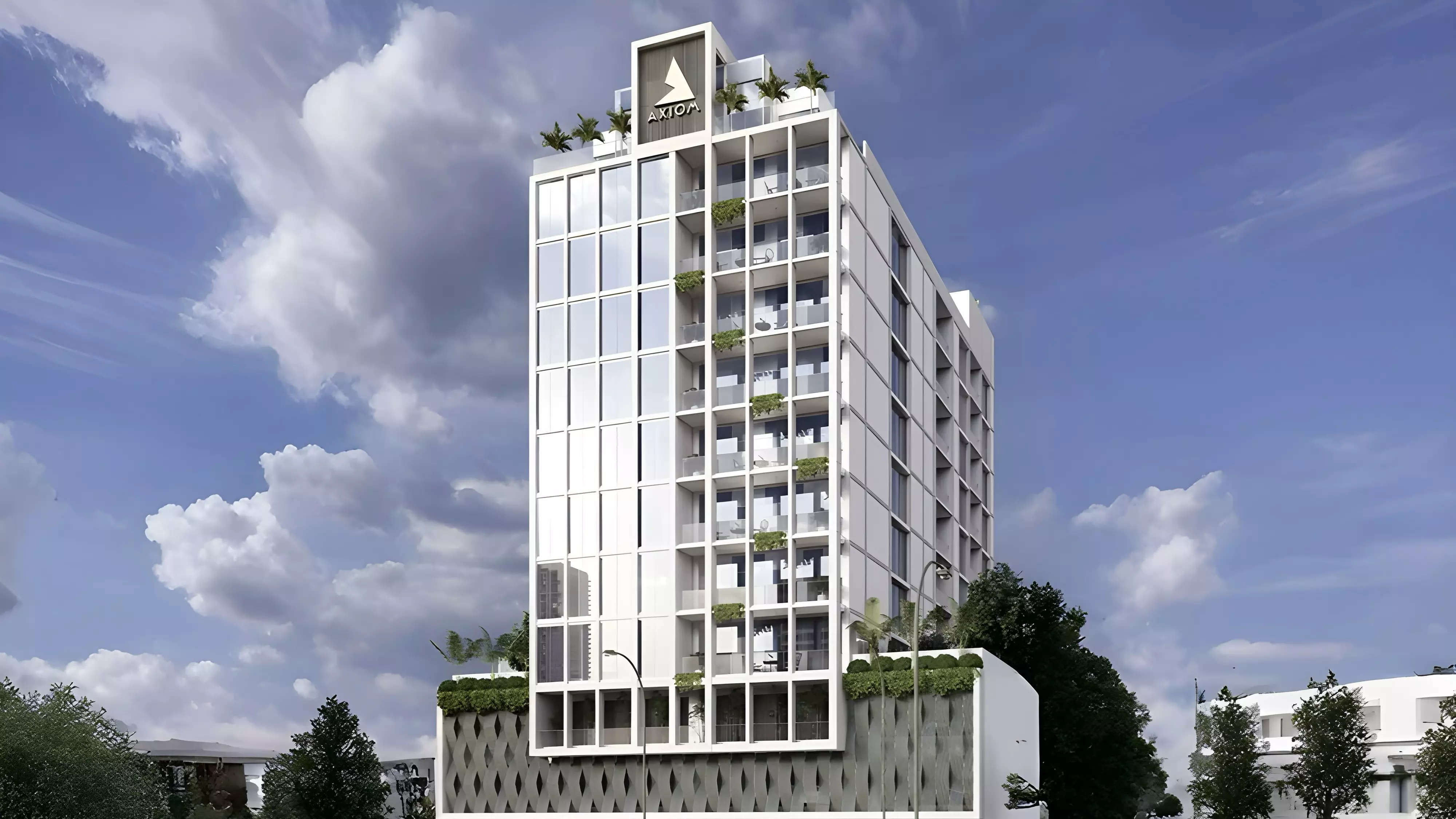
AED 991K
AED 950K
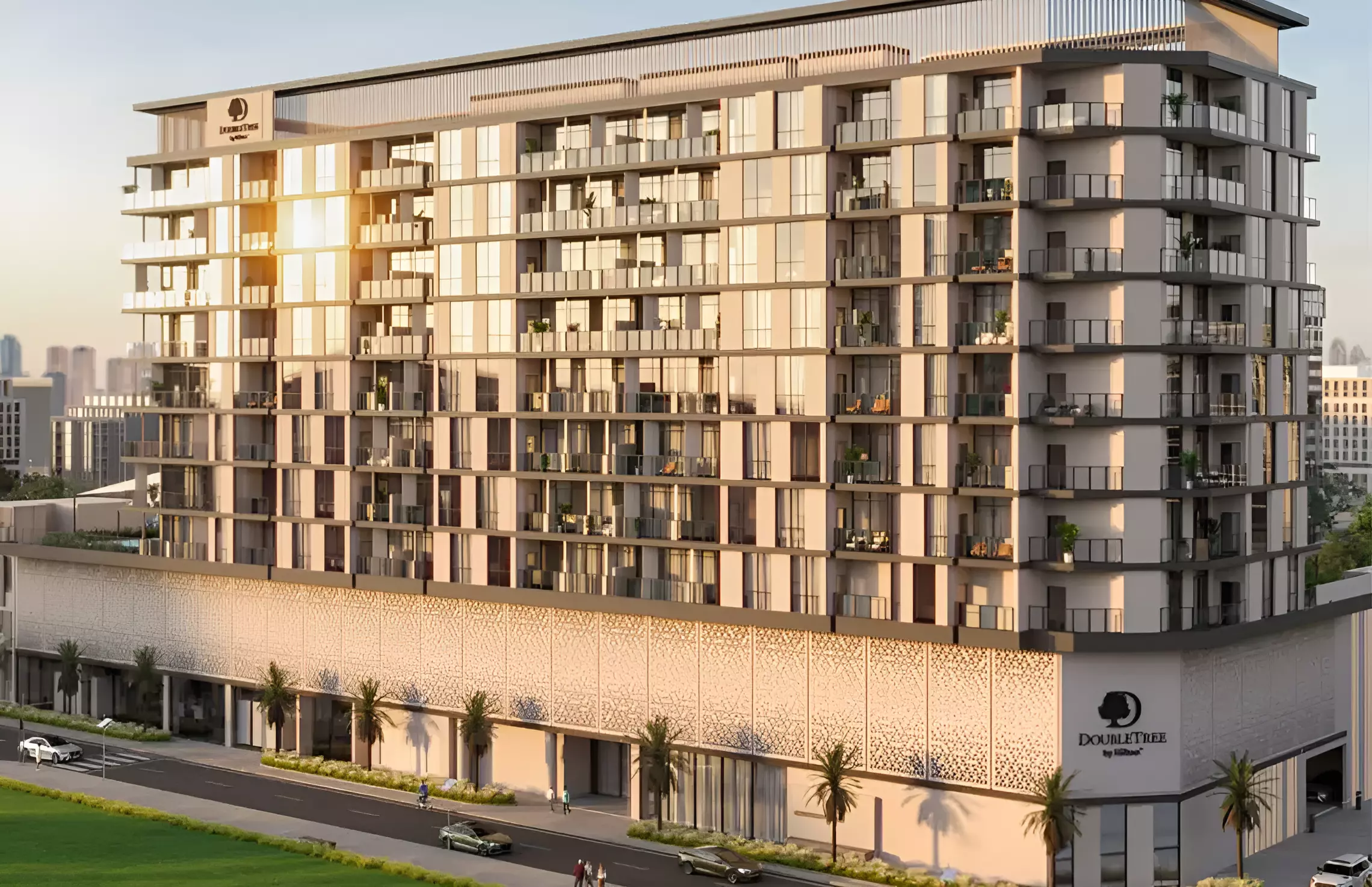
AED 1.6M
AED 1M
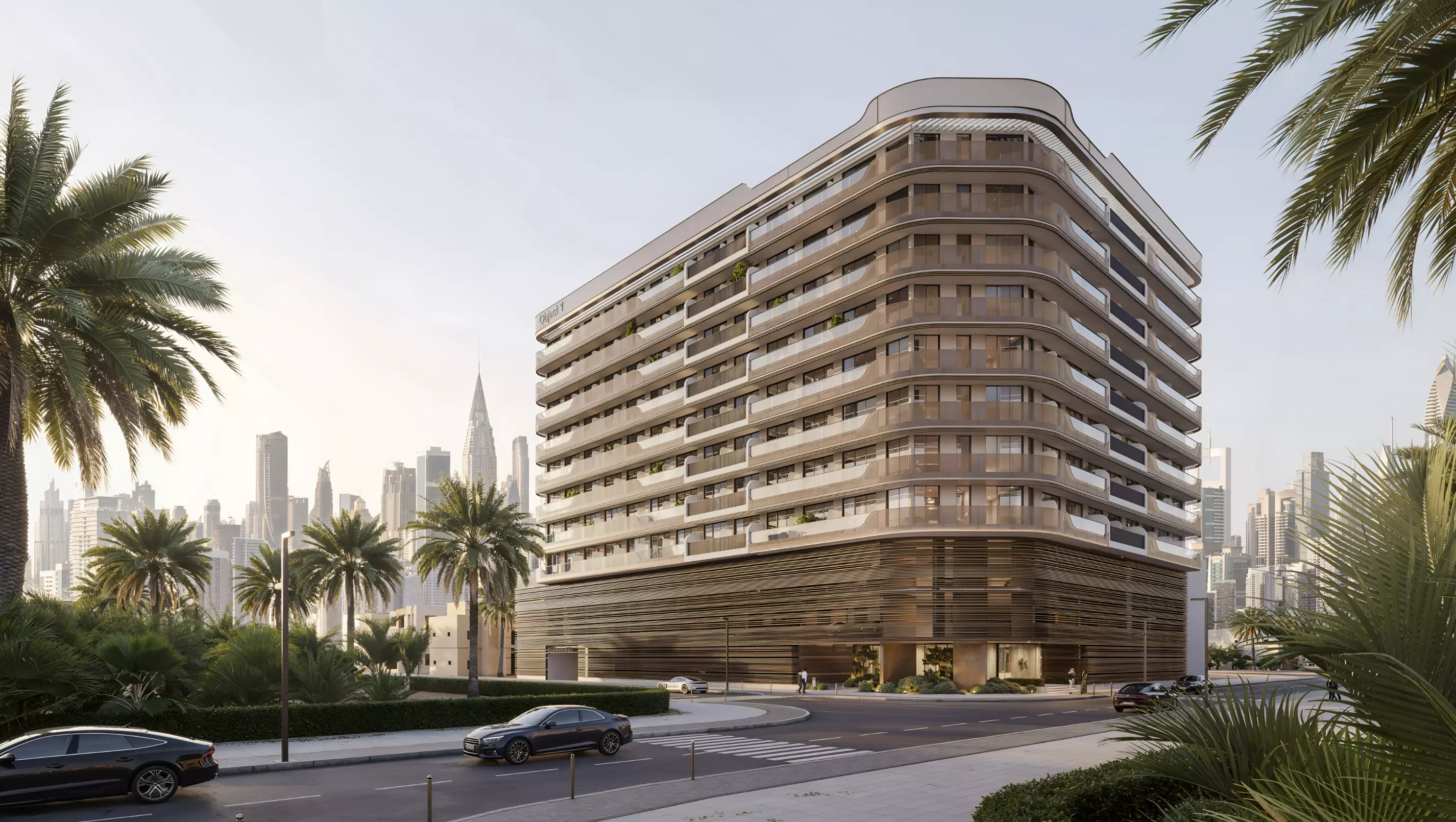
AED 1.1M
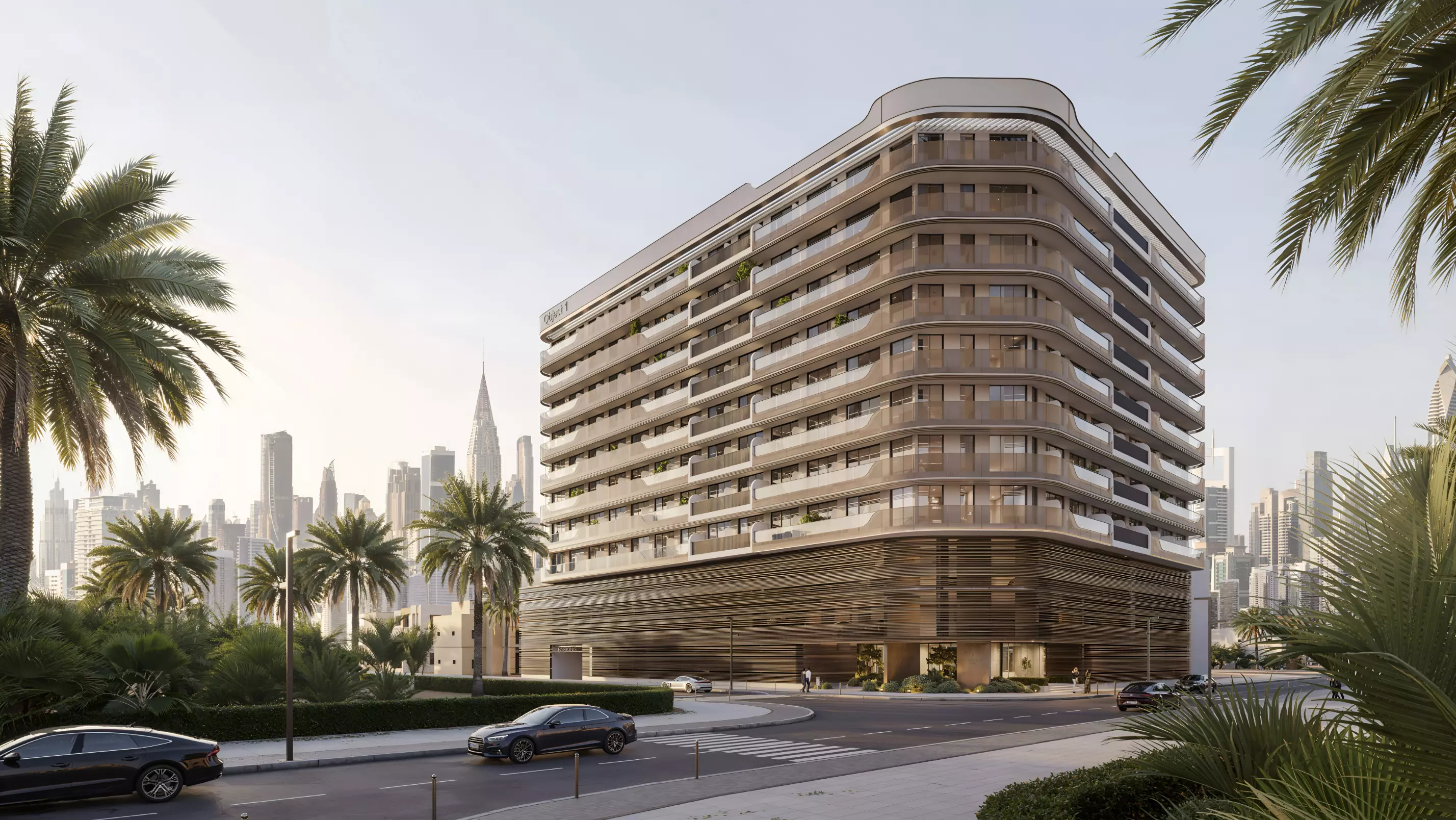
AED 1.1M
AED 950K
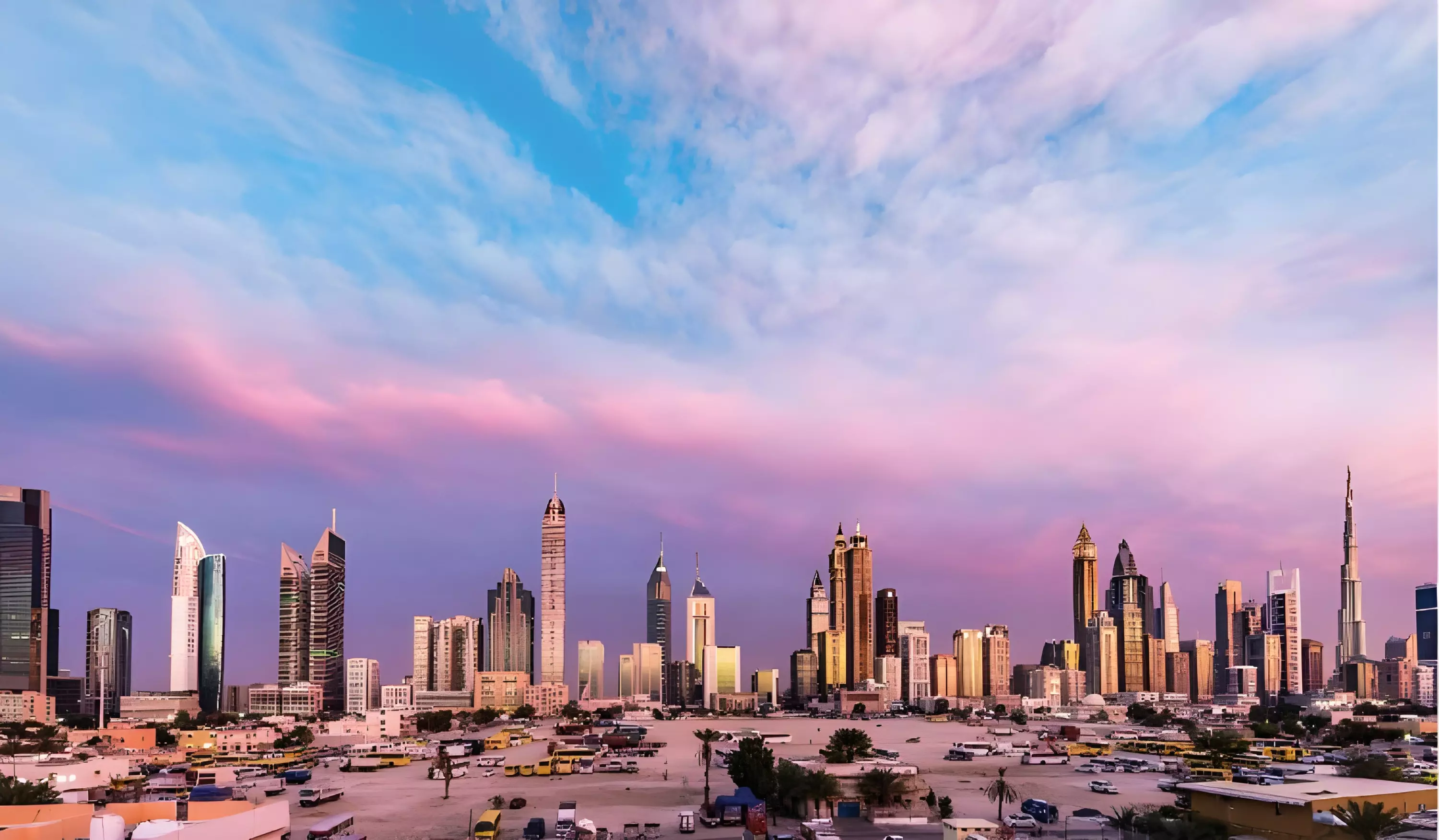
AED 1.2M
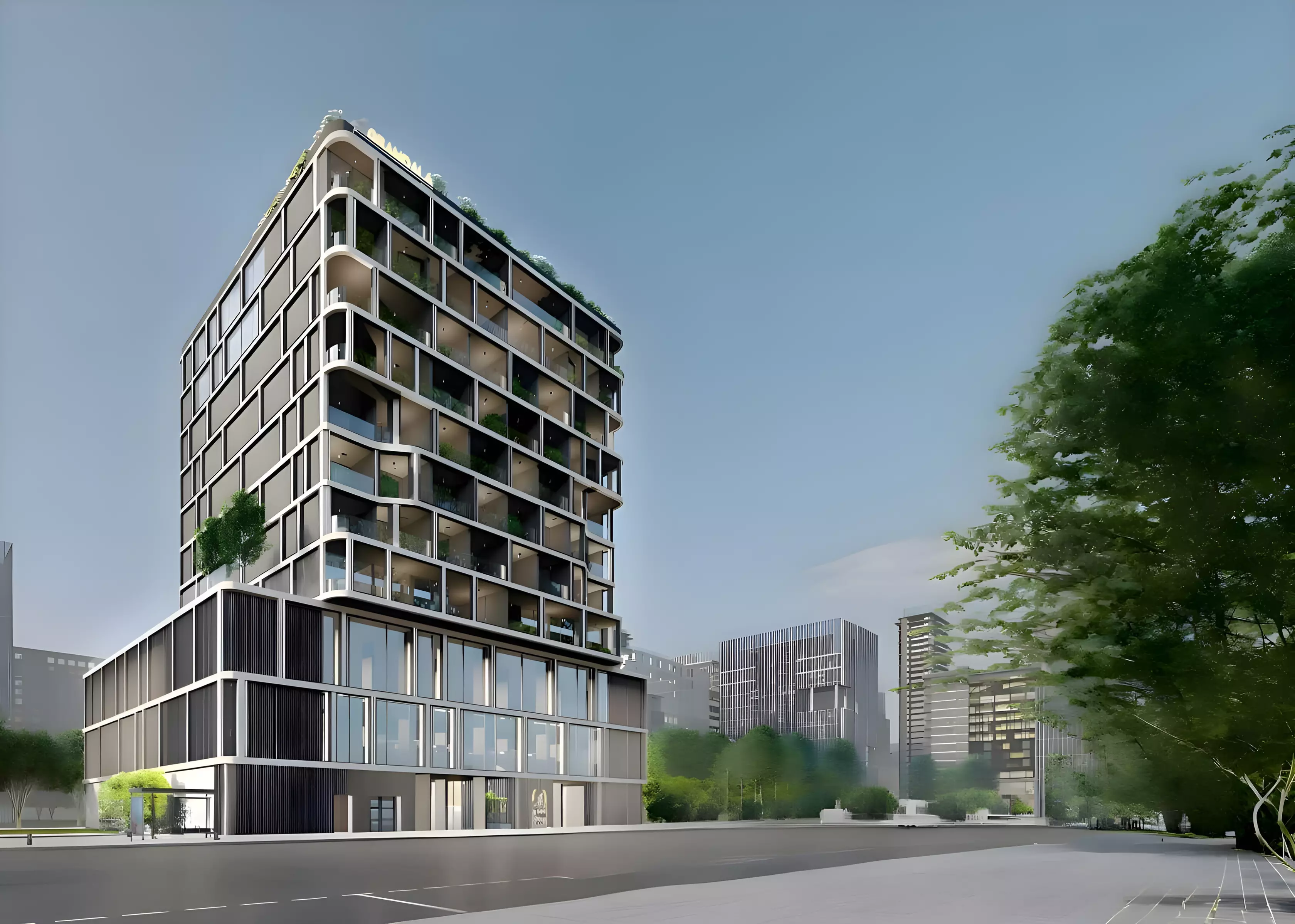
AED 848K
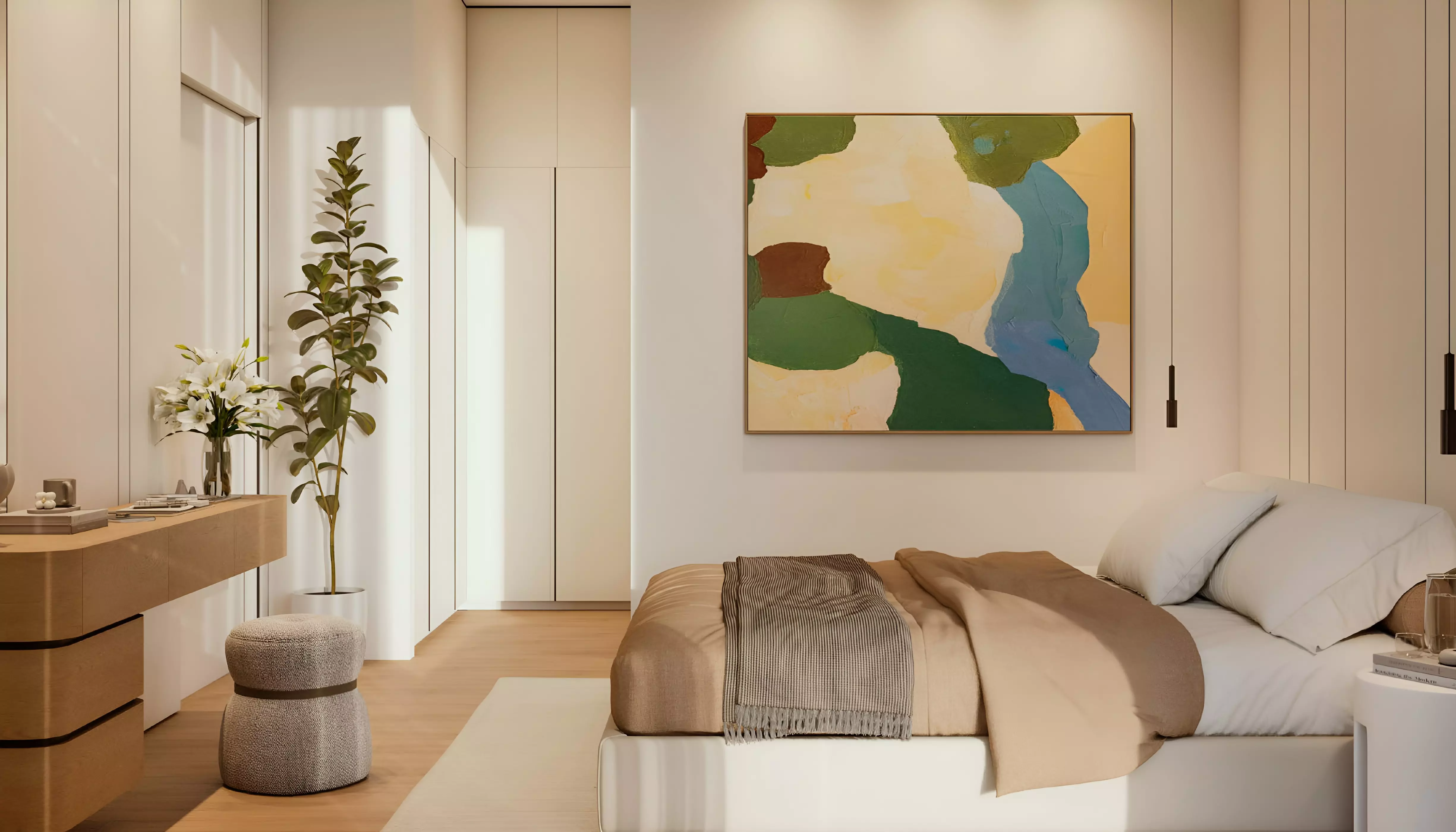
AED 1.7M
Nearby Projects
Other Developers
- New Projects by Object 1
- New Projects by Rabdan Developments
- New Projects by Stamn Real Estate Development
- New Projects by Prestige One Developments
- New Projects by Palladium Development
- New Projects by Imtiaz Developments
- New Projects by Holm Avenue
- New Projects by Enso Development
- New Projects by JAD Global
- New Projects by Arsenal East
- New Projects by Galaxy Realty
- New Projects by Al Yakka Developer
- New Projects by Roz Real Estate Development
- New Projects by Segrex Development
- New Projects by Alta Real Estate Development
Explore by Developer in Jumeirah Garden City
- Object 1 Projects in Jumeirah Garden City
- Rabdan Developments Projects in Jumeirah Garden City
- Stamn Real Estate Development Projects in Jumeirah Garden City
- Prestige One Developments Projects in Jumeirah Garden City
- Holm Avenue Projects in Jumeirah Garden City
- Enso Development Projects in Jumeirah Garden City
- JAD Global Projects in Jumeirah Garden City
AED 1M in the Heart of Al Satwa: New Developments in Jumeirah Garden City
Jumeirah Garden City is a subdistrict within Al Satwa, one of Dubai's older urban districts, and it's in the middle of a significant build-out. Al Satwa's traditional fabric was low-rise commercial and residential; Jumeirah Garden City has become the zone where new mid-rise apartment buildings are rising in number. With 37 active off-plan developments, it ranks among the more concentrated pockets of new supply in central Dubai. For buyers looking beyond branded master-plan communities, the subdistrict offers real proximity to Sheikh Zayed Road and the urban core without the premiums that come with Downtown or DIFC.
Where the Million-Dirham Mark Is the Median
The median asking price across the subdistrict is AED 1,013,630, which tells you directly what the typical project here targets. Entry points start at AED 715,000, and the ceiling reaches AED 6,500,000 — a spread wide enough to reflect genuine variation in unit size and specification across the 37 projects.
At the lower end, you're looking at smaller apartments from boutique developers competing on price. At the upper end, larger floorplates and developer positioning drive the numbers rather than location scarcity. For most buyers, the median is the more useful anchor. A million dirhams places you in a new apartment in a central urban location, not on the city's edges.
36 of the 37 projects are apartments. One duplex sits within the mix but is the exception, not a genuine product alternative. The near-total apartment dominance signals a market geared toward owner-occupiers and investors targeting rental yield — not villa buyers or families needing large footprints.
27 Developers Across 37 Projects
The developer count here is the number that shapes how you should approach this subdistrict. 27 developers across 37 projects means the majority are present with a single building. Object 1, Holm Avenue, Enso Development, JAD Global, Prestige One Developments, Stamn Real Estate Development, and Rabdan Developments each contribute to the inventory, but no single name controls the market or sets the tone.
That level of fragmentation has concrete implications. Build quality, finishing standards, and handover reliability will vary considerably from project to project. Resale liquidity for any individual building depends more on its own specs and management than on the subdistrict's broader profile. Due diligence on the individual developer — RERA registration, track record, current construction status — carries more weight here than it would in a master-developer community. The variety of names also means price gaps between projects can reflect genuine quality differences rather than just marketing positioning.
A Delivery Window Spanning Three Years
Handovers start from May 2025, which means some projects in the subdistrict are already delivered or in the final stages. Buyers should check the current construction status of any early-completion project directly with the developer or via RERA's project tracker rather than relying on listed completion dates.
For buyers entering the market now, the off-plan window extends to December 2028, giving roughly a two-and-a-half-year range of available entry points. Projects at different construction stages are available simultaneously, which means pricing, payment milestone timing, and delivery risk all vary depending on which development you choose.
Entry is accessible: the minimum down payment across the subdistrict is 5%, which sits at the lower end of standard Dubai off-plan requirements. None of the current projects carry post-handover payment plans, so all payment milestones are tied to construction progress.
Who These Buildings Are Built For
Across the project amenity mix, children's play areas, landscaped gardens, barbecue areas, and indoor swimming pools appear consistently. CCTV and security features are standard throughout, which reflects the urban density of the subdistrict rather than a premium positioning choice.
The profile that emerges is a market built for working families and rental-focused investors — not resort-style living or short-term hospitality. One project in the subdistrict lists a golf club and clubhouse, which stands out as unusual for a central urban area and is specific to that development rather than representative of the broader market. Buyers interested in that amenity specifically should confirm which project it belongs to before it factors into their shortlist.