
Projects in Al Reem Island
- Shams Abu Dhabi (6)
- Tamouh (4)
- City Of Lights (3)
- Najmat Abu Dhabi (3)
- Show all locations
AED 2.7M
AED 650K
AED 850K
AED 2.2M
AED 450K
AED 485K
AED 2.6M
AED 990K
AED 1.1M
AED 1.7M
Nearby Projects
- New Projects in Al Maryah Island
- New Projects in Saadiyat Island
- New Projects in Al Salam Street
- New Projects in Al Hudayriat Island
- New Projects in Ramhan Island
- New Projects in Fahid Island
- New Projects in Masdar City
- New Projects in Al Raha Beach
- New Projects in Yas Island
- New Projects in Khalifa City
- New Projects in Al Bahya
- New Projects in Al Shamkha
- New Projects in Ghantoot
- New Projects in Al Ghadeer
Other Developers
- New Projects by Radiant Enterprises Real Estate
- New Projects by Saas Properties
- New Projects by Reportage Real Estate
- New Projects by Modon Properties
- New Projects by IMKAN
- New Projects by RAK Properties
- New Projects by Tiger Properties
- New Projects by Object 1
- New Projects by East and West Properties
- New Projects by Burtville
- New Projects by Q Properties
- New Projects by Royal Development Holding
- New Projects by One Development
- New Projects by Mered
- New Projects by Royal Development Company
Explore by Developer in Al Reem Island
- Radiant Enterprises Real Estate Projects in Al Reem Island
- Saas Properties Projects in Al Reem Island
- Reportage Real Estate Projects in Al Reem Island
- Modon Properties Projects in Al Reem Island
- IMKAN Projects in Al Reem Island
- Q Properties Projects in Al Reem Island
- Royal Development Holding Projects in Al Reem Island
- One Development Projects in Al Reem Island
- Royal Development Company Projects in Al Reem Island
Al Reem Island: Abu Dhabi's Most Diversified Off-Plan Market
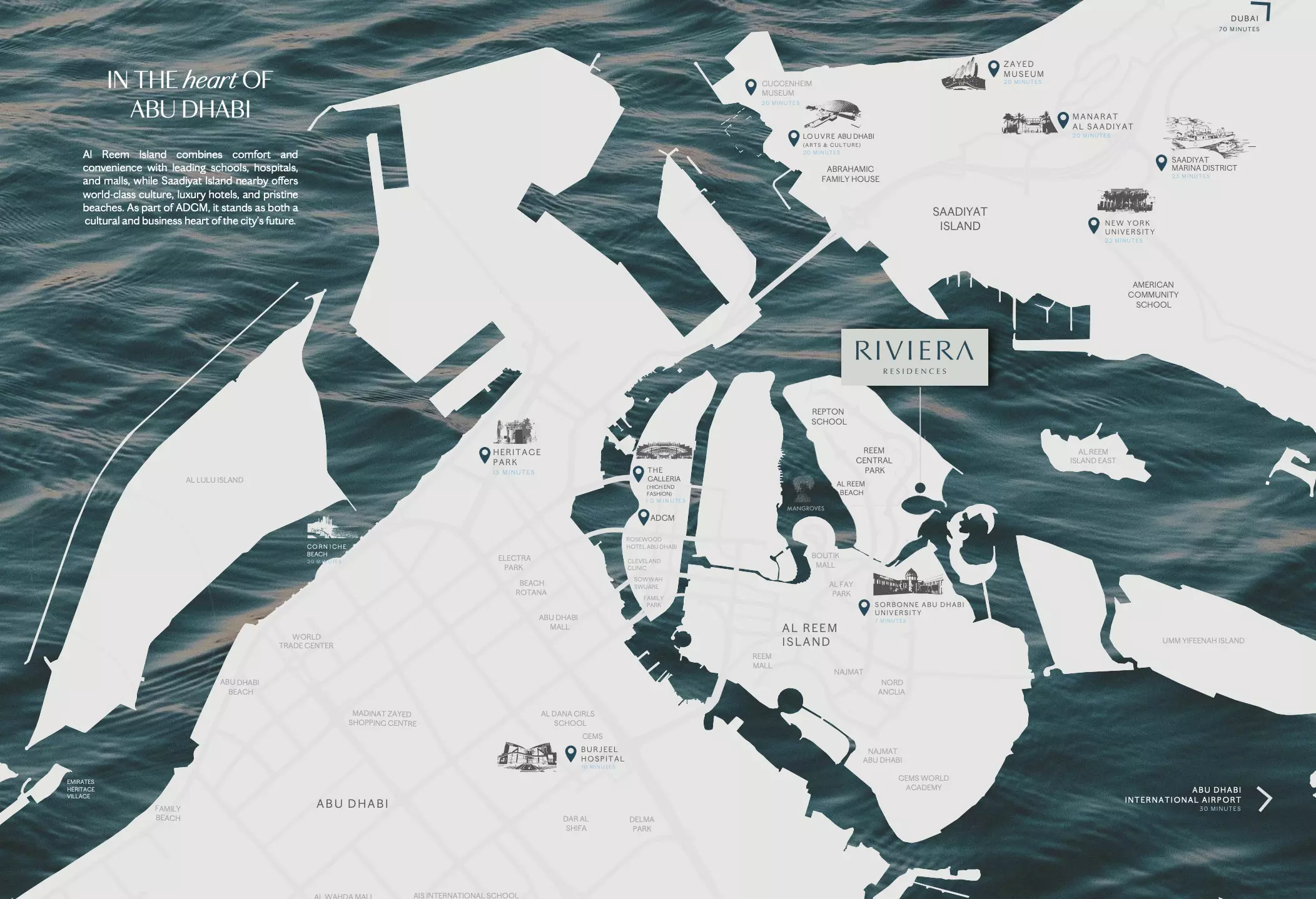
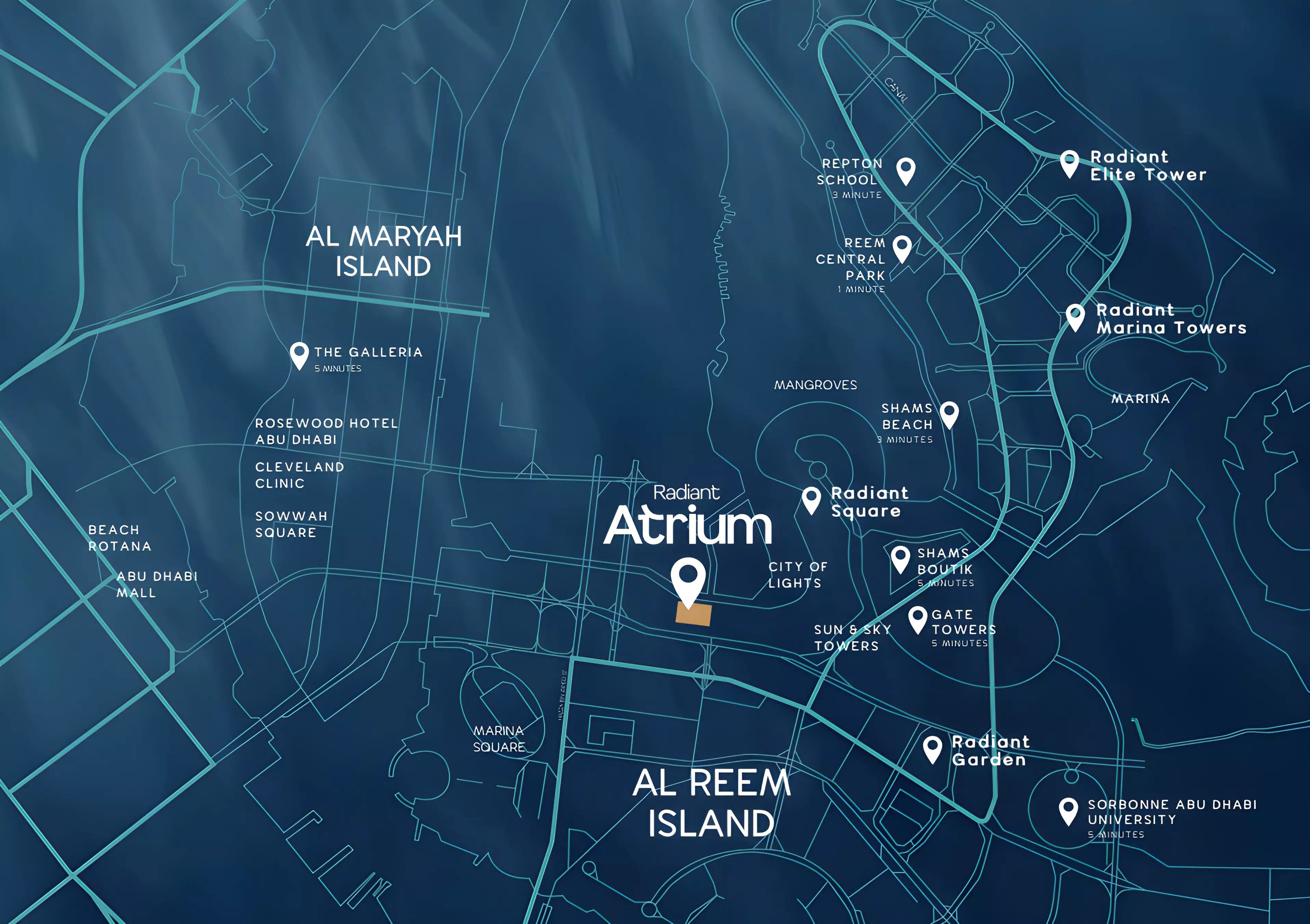
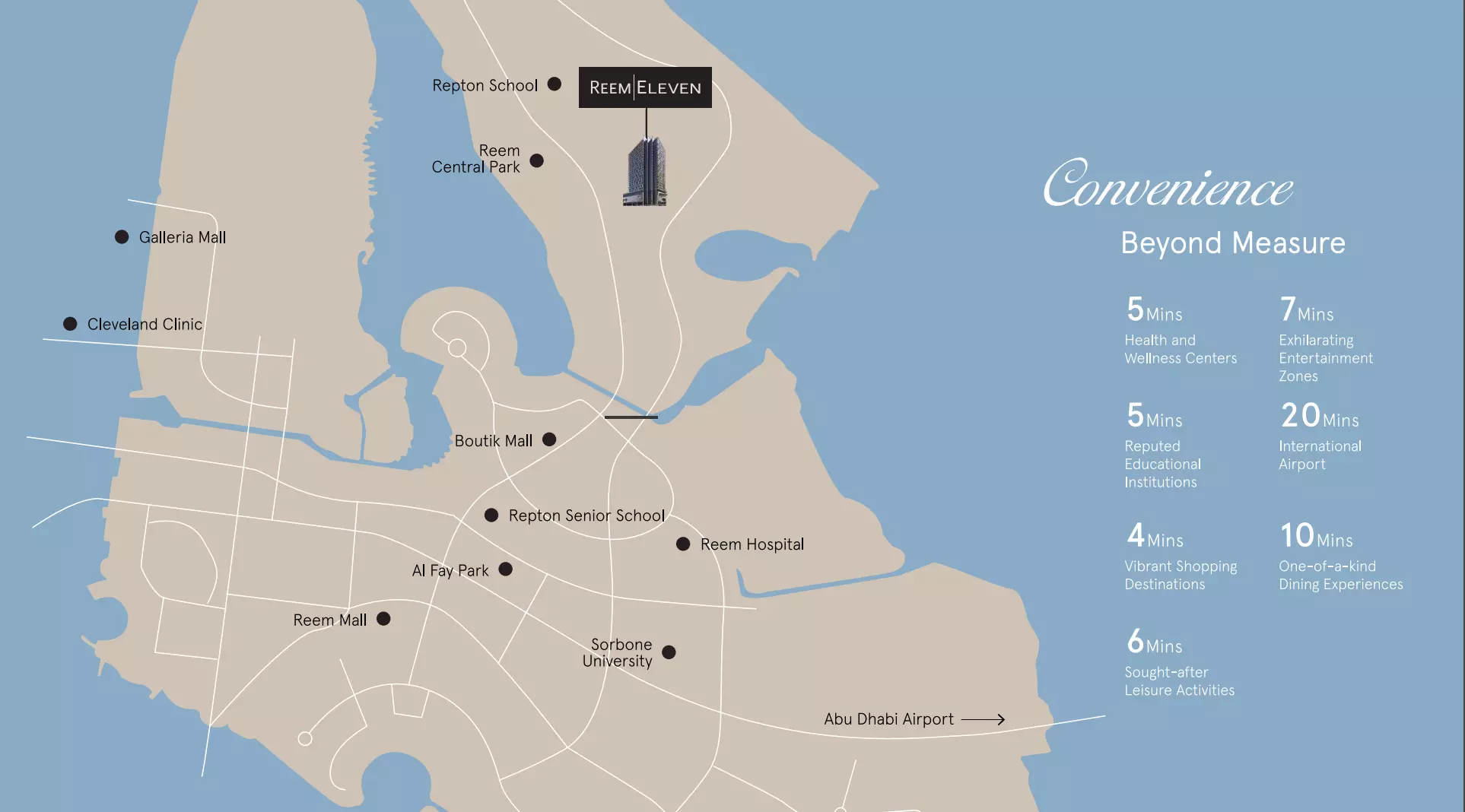
Al Reem Island sits just off the northeastern coast of Abu Dhabi, connected to the mainland by bridges and positioned to draw both end-users and investors who want proximity to the city without being inside it. As a district within Abu Dhabi, it has matured significantly over the past decade and now carries a mix of completed towers, mid-construction projects, and newly launched off-plan inventory. With 38 active new project listings, this is one of the most active development zones in the emirate.
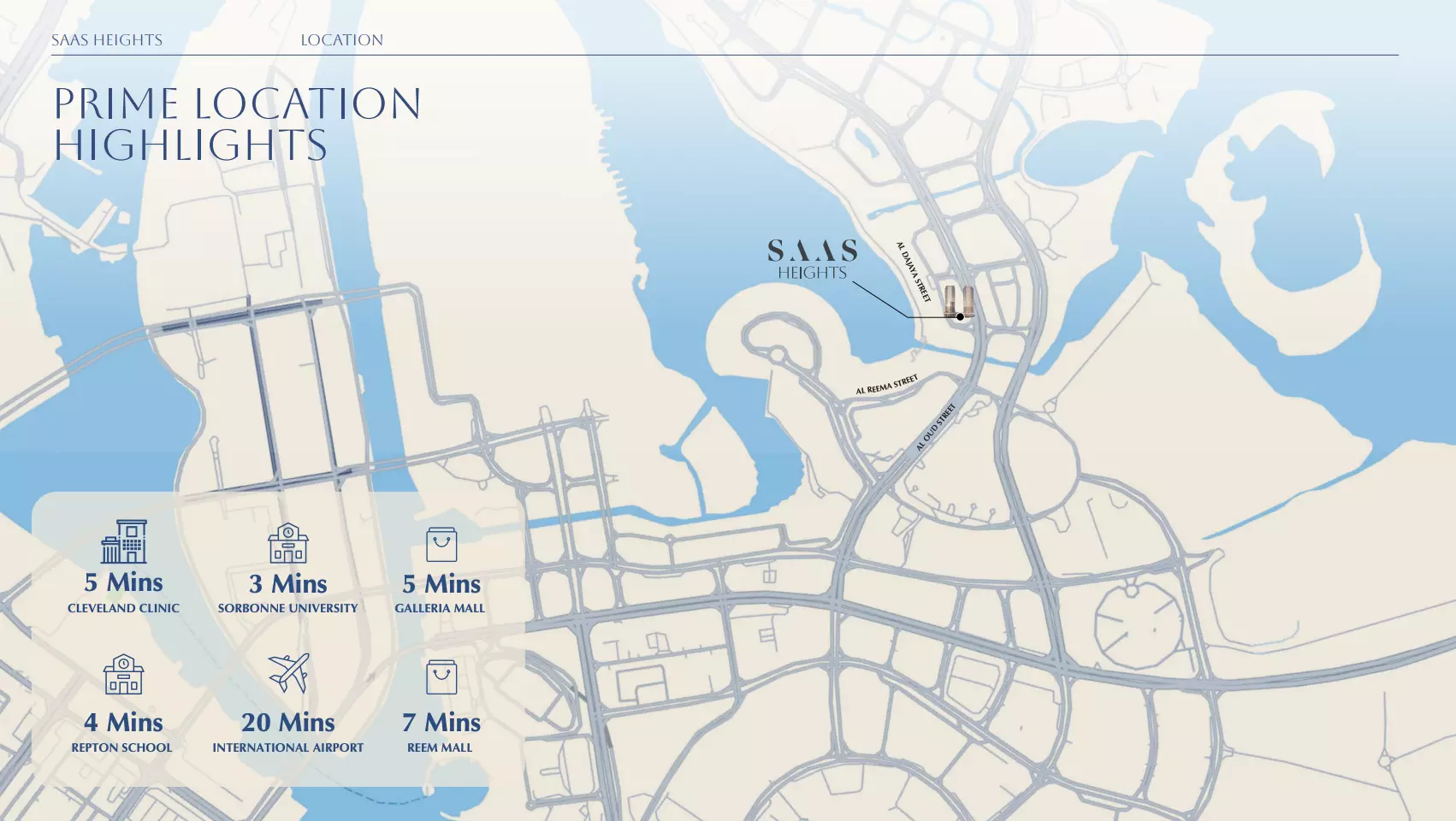
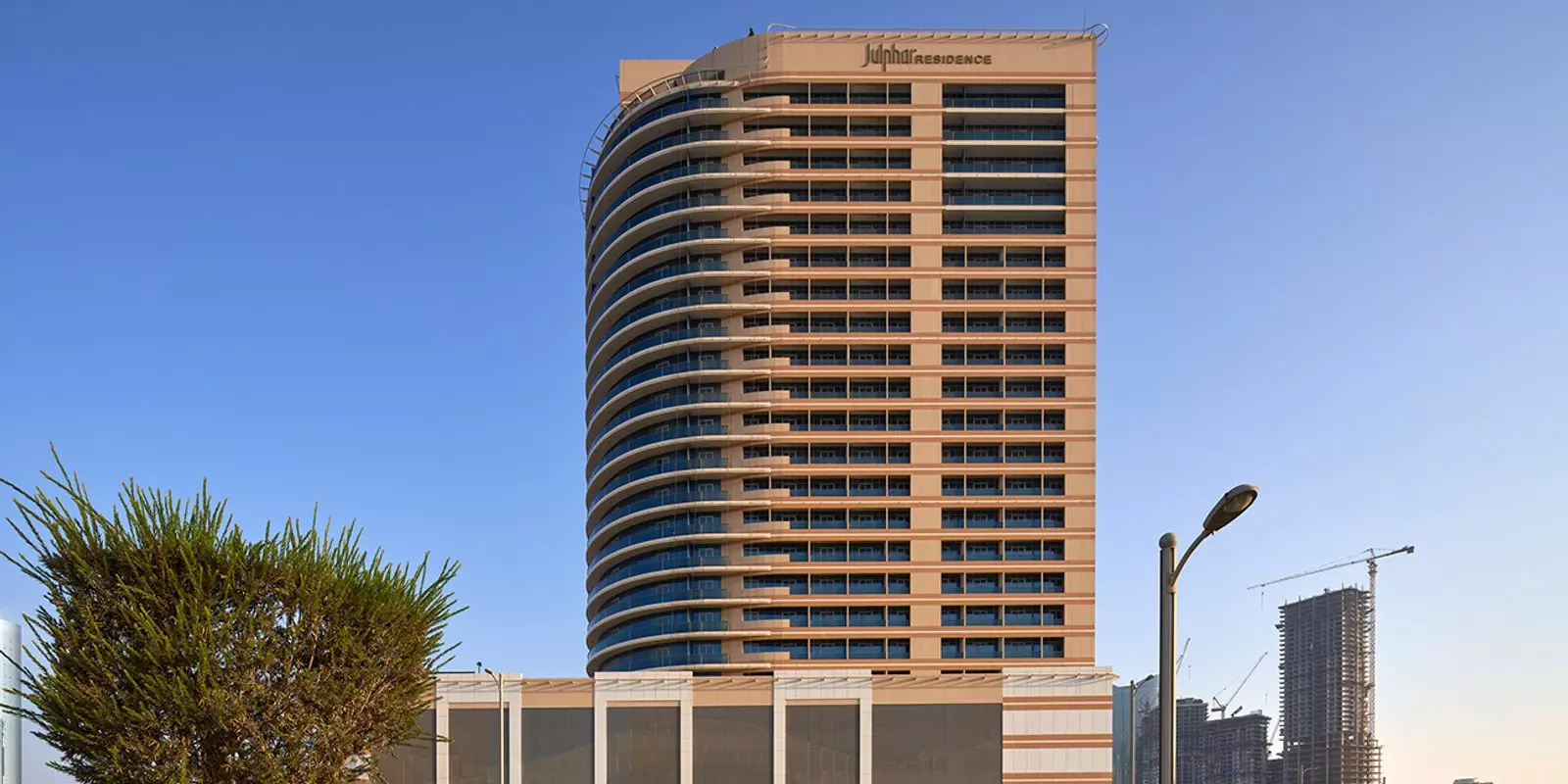
The island splits across several sub-areas worth tracking independently: Shams Abu Dhabi and Najmat Abu Dhabi are the more established neighbourhoods, while City Of Lights, Tamouh, and SAAS Heights represent newer phases of development. Julphar Residence and Muheira sit in the quieter residential pockets.
What the Price Range Actually Tells You
The spread here is extreme: AED 450,000 at entry and AED 22,000,000 at the top. The number that matters most for most buyers is the median: AED 1,300,000. That midpoint reflects the apartment-heavy inventory and is a reasonable benchmark for a two-bedroom unit in a mid-tier tower. The high ceiling is driven by the penthouses and villas at the upper end of the range, which pull the average up without representing typical stock.
The gap between floor and ceiling is wide enough that you need to be specific about property type before price shopping on Al Reem Island makes sense.
Property Mix
| Type | Projects |
|---|---|
| Apartment | 36 |
| Penthouse | 11 |
| Duplex | 9 |
| Townhouse | 8 |
| Villa | 4 |
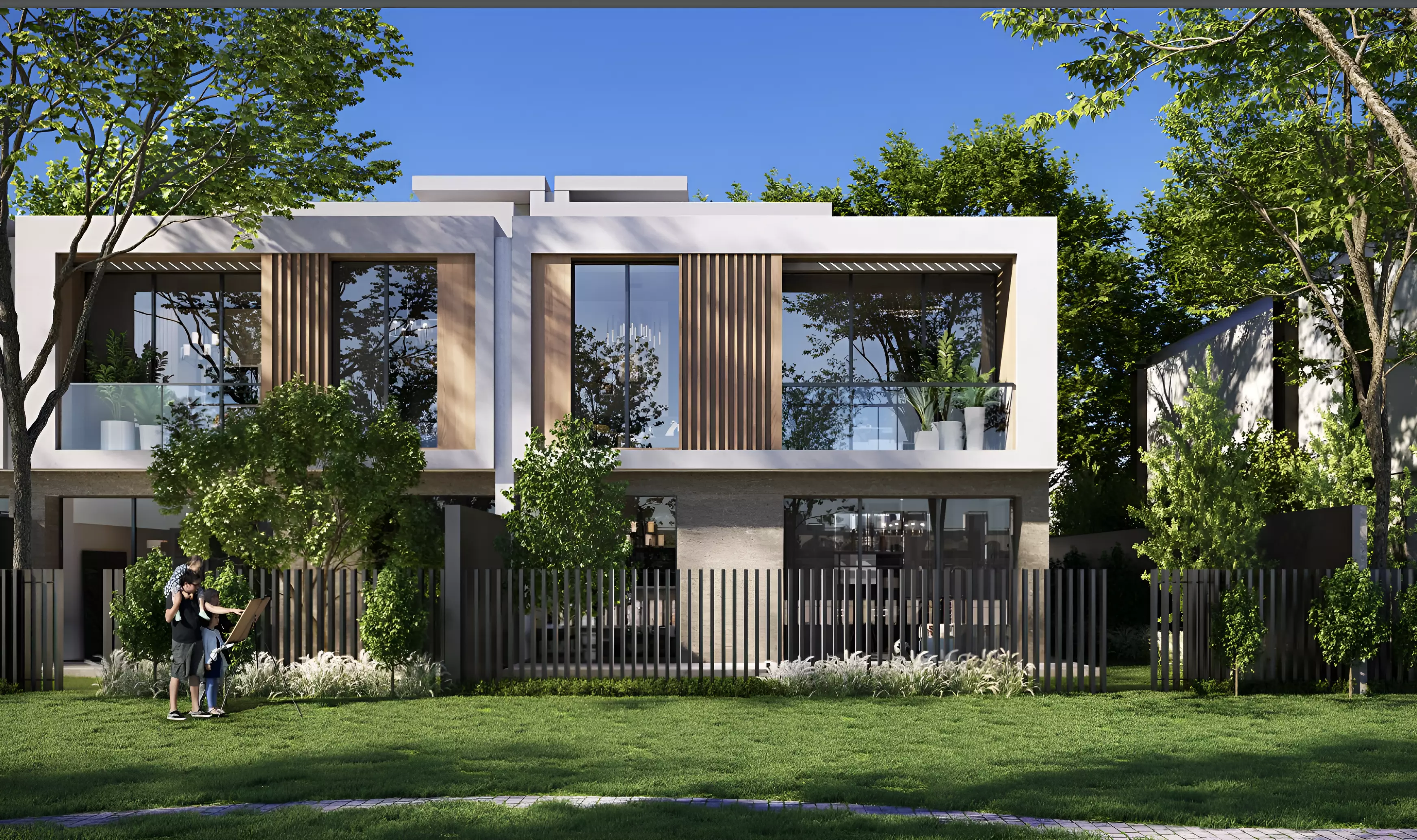
Apartments dominate, which tells you this is primarily a high-density residential district attracting working professionals, young families, and investors buying for rental yield. The penthouse and duplex volumes are notably high — 11 penthouses and 9 duplexes across 38 projects suggests developers here are targeting the upsizing buyer, not just the first-time purchaser. The 8 townhouse and 4 villa listings are the outliers; buyers looking for a ground-level private garden on Al Reem Island have limited choice but genuine options.
17 Developers, One Island
With 17 developers across 38 projects, Al Reem Island sits in fragmented territory. Names like Radiant Enterprises Real Estate, Saas Properties, Modon Properties, Q Properties, Reportage Real Estate, IMKAN, and One Development are among those active here, alongside smaller players. That breadth means no single developer controls the narrative of this island, and resale pricing can vary significantly tower by tower.
For buyers who weight build quality consistency highly, a fragmented developer market puts more due diligence on individual project track records rather than a master developer's reputation. The presence of established Abu Dhabi names like Modon and IMKAN alongside newer entrants gives the market some anchoring, but buyers should research each developer independently.
Handover Window
The delivery timeline spans from December 2023 through December 2031. Some projects with 2023 completion dates may already be handed over — buyers interested in these should confirm current status directly rather than treating them as standard off-plan. At the far end, projects completing in 2031 represent a long off-plan horizon and carry a different risk profile than near-term completions.
That eight-year spread means Al Reem Island suits both buyers who want to move within the next 12 to 24 months and investors comfortable holding through a longer construction cycle.
Entry Point and Payment Terms
A 5% down payment is the minimum entry point across the listed projects. For Abu Dhabi off-plan, that is a low barrier and makes this island accessible to buyers who are not carrying large upfront capital. Only 1 out of 38 projects offers post-handover payment terms, so the assumption for most buyers here should be that construction-phase instalments end at handover. If cash flow after keys is a priority, options are limited.
Who Lives Here
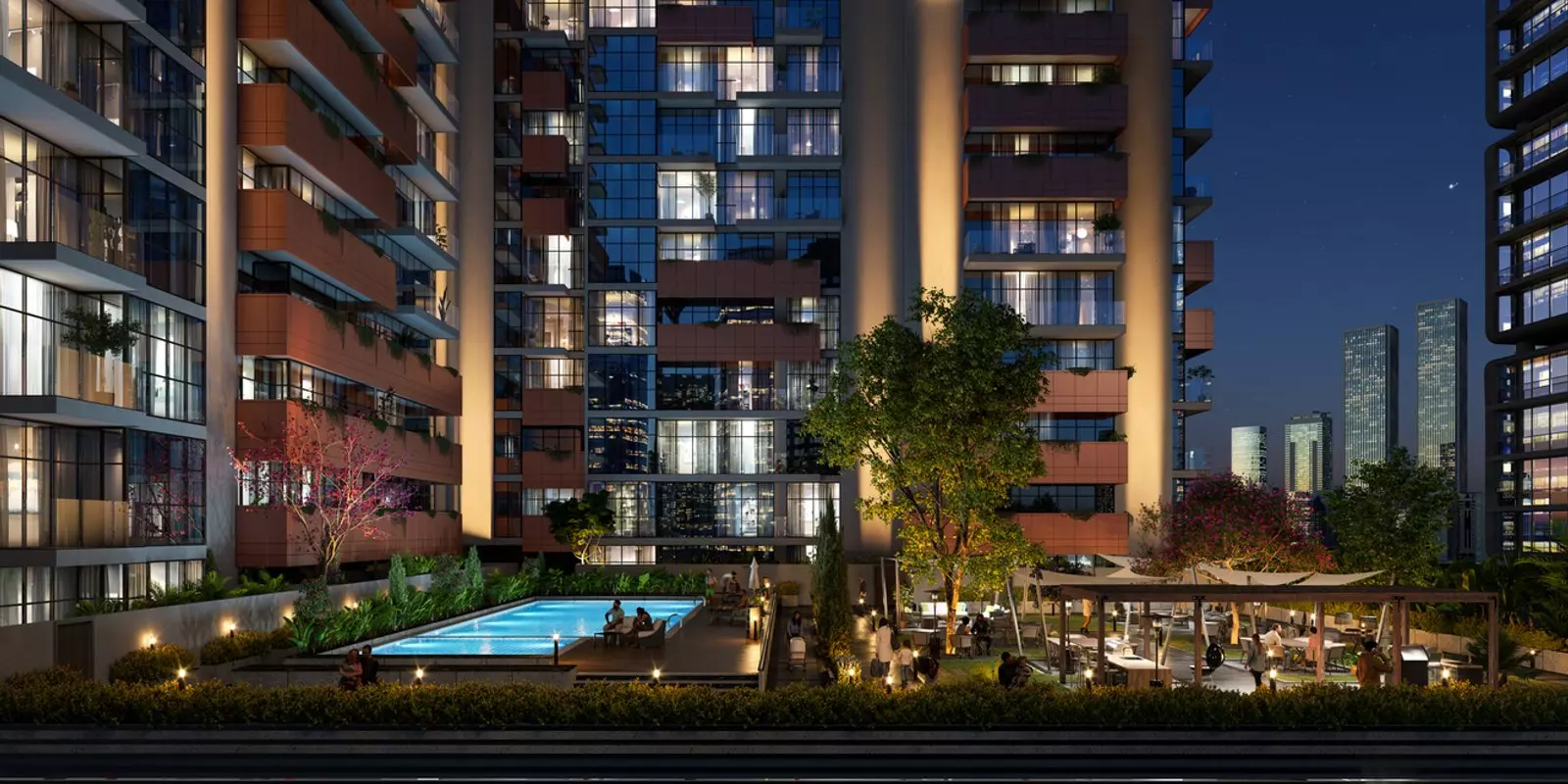
The amenity pattern across Al Reem Island projects gives a clear read on the target resident. Gymnasiums, shared pools, indoor swimming pools, and yoga rooms run through the listings consistently, signalling that developers are pitching to health-conscious, active residents. Children's play areas and barbecue areas in the mix point toward a meaningful family segment alongside young professionals. CCTV security appearing frequently reflects the expectations of buyers in a high-density island environment. Restaurants as a recurring amenity reflect the island's commercial layer; Al Reem Island has always had a food and beverage component built into its development fabric.